
Read more on each region in our full cover story for this month’s Diplomat Magazine.
Wave 4 of the Global Barometer Survey (GBS) is now available.
This dataset includes data collected between 2016 and 2022 by five regional barometer surveys: Afrobarometer, Arab Barometer, Asian Barometer, Eurasia Barometer, and Latinobarómetro. It harmonizes 94 indicators that are comparable across two or more regions, combining responses from 133,524 individuals in 88 countries.
To access the data, please follow the instructions on the Data Download page.
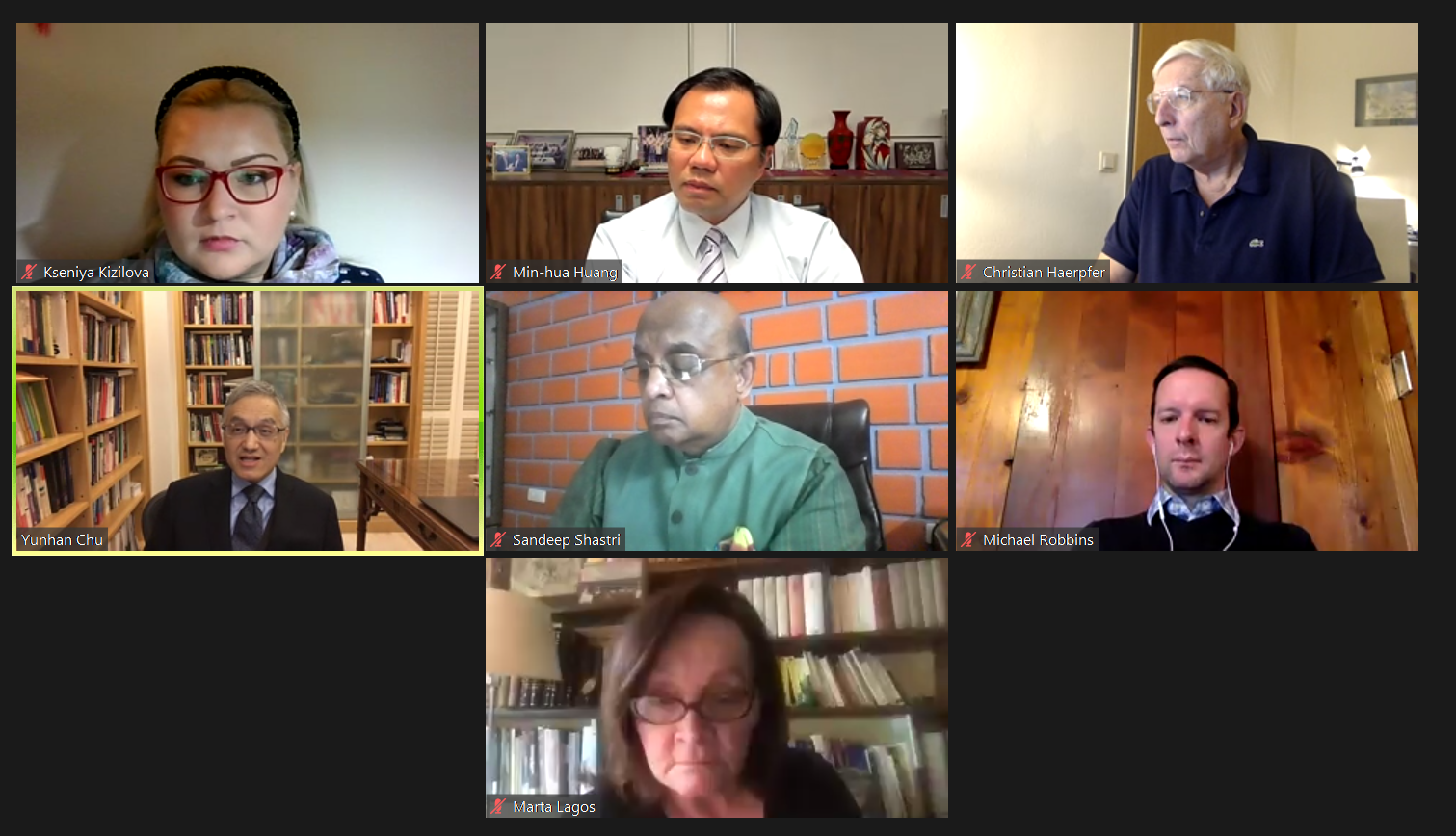
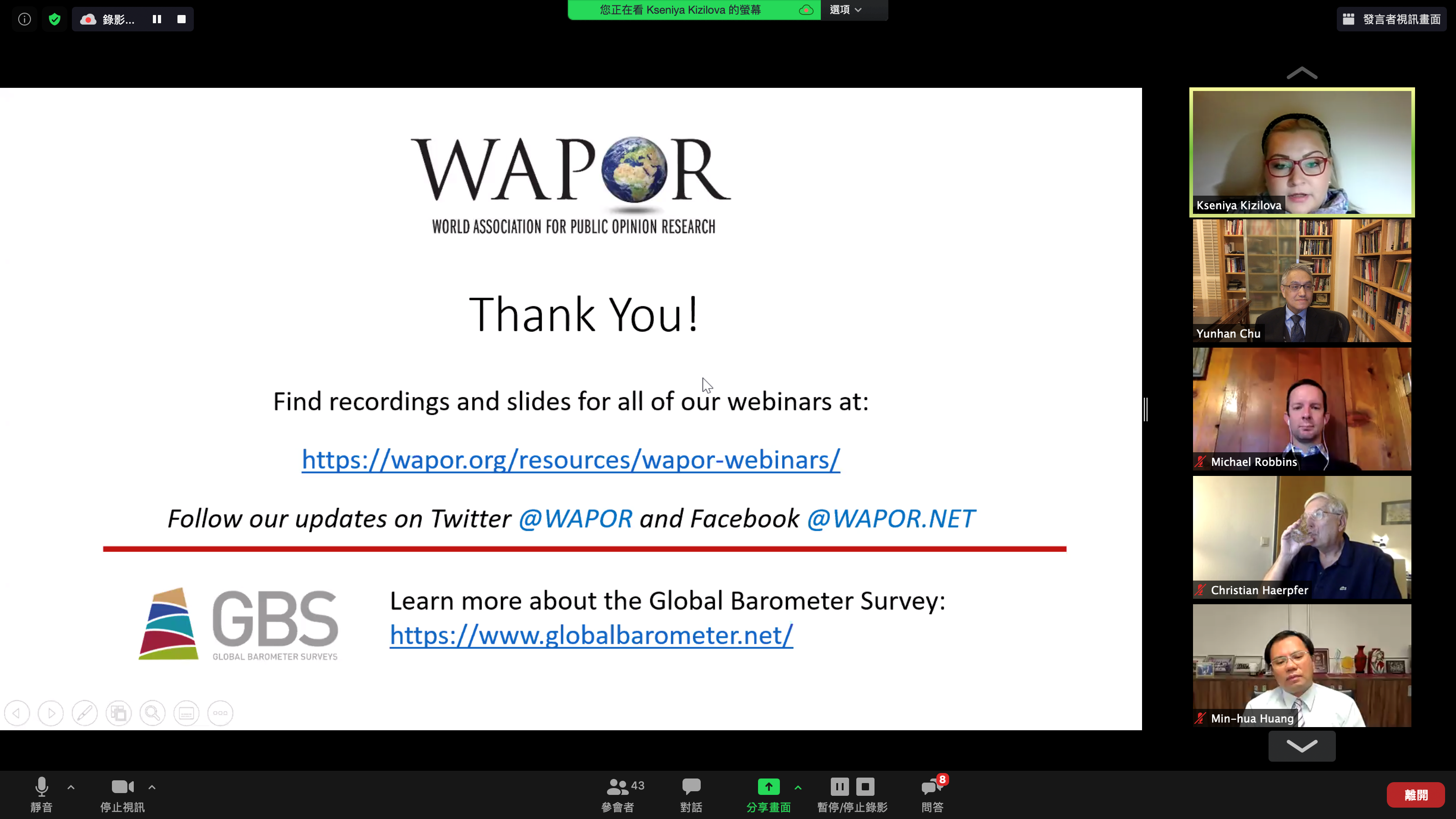
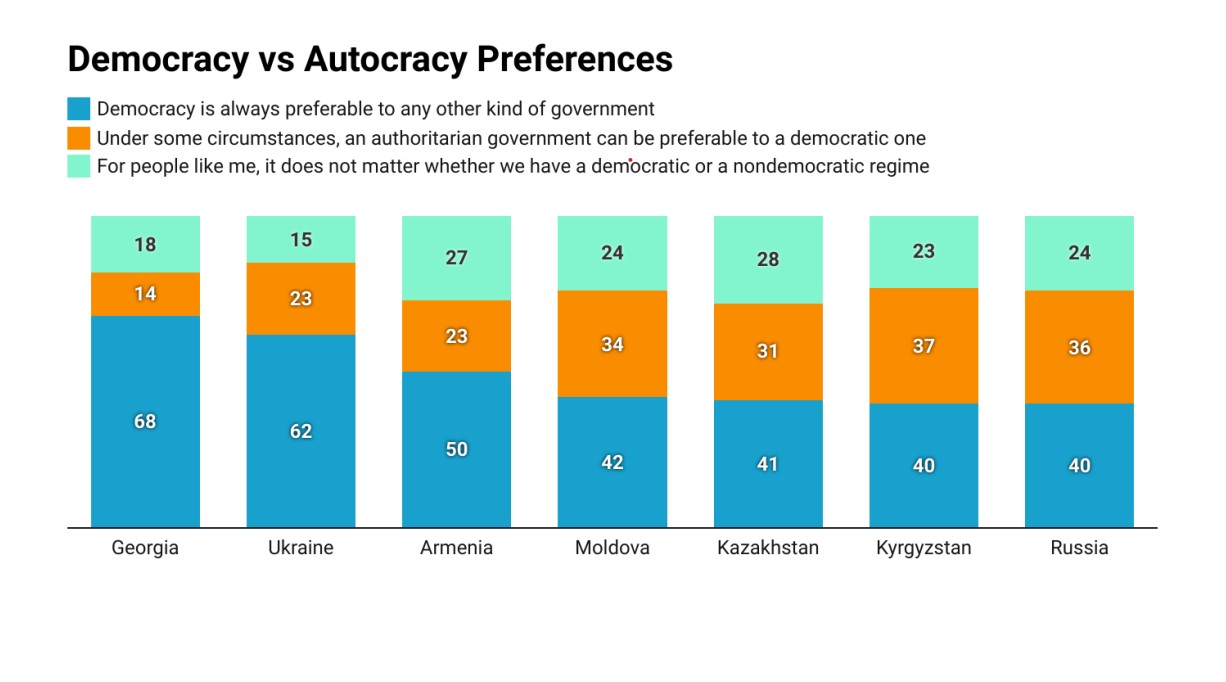
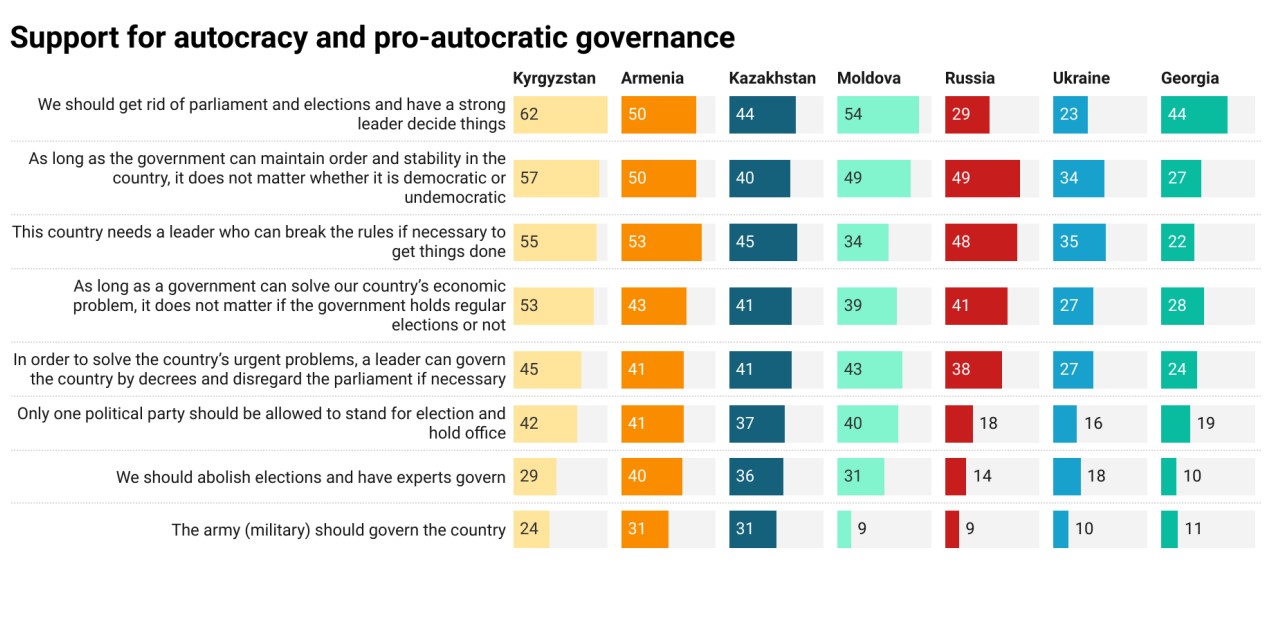
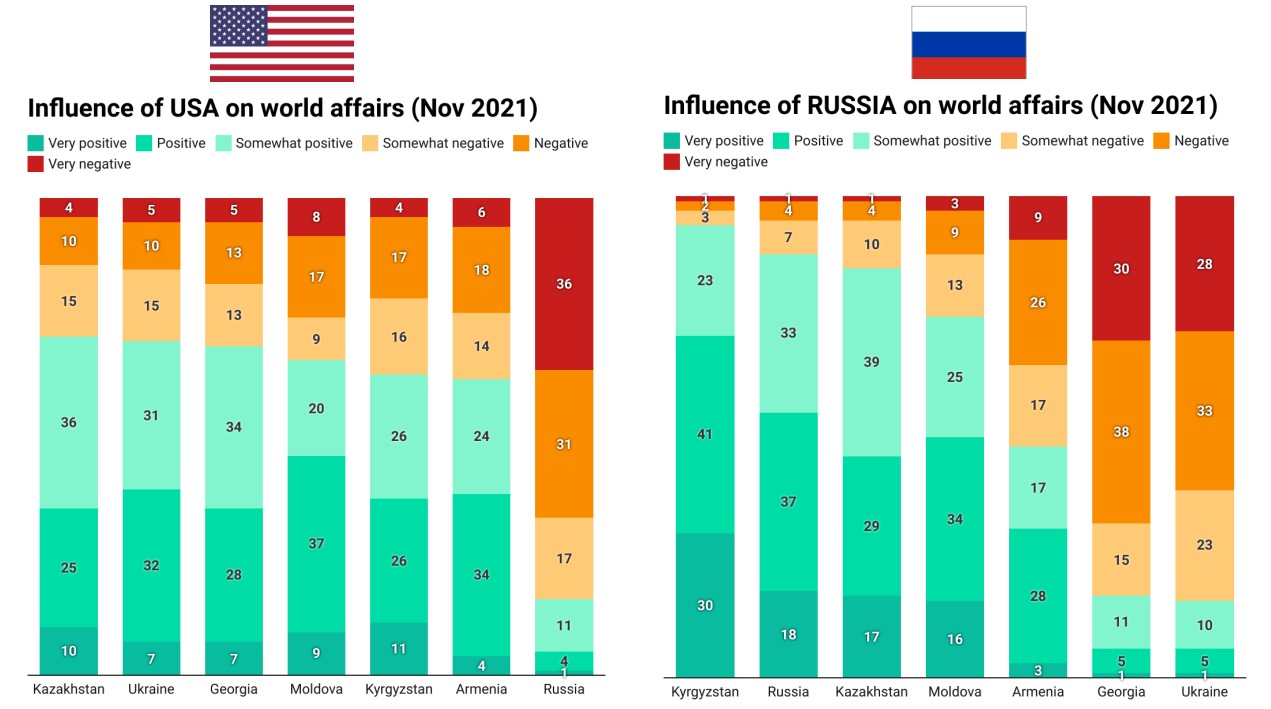
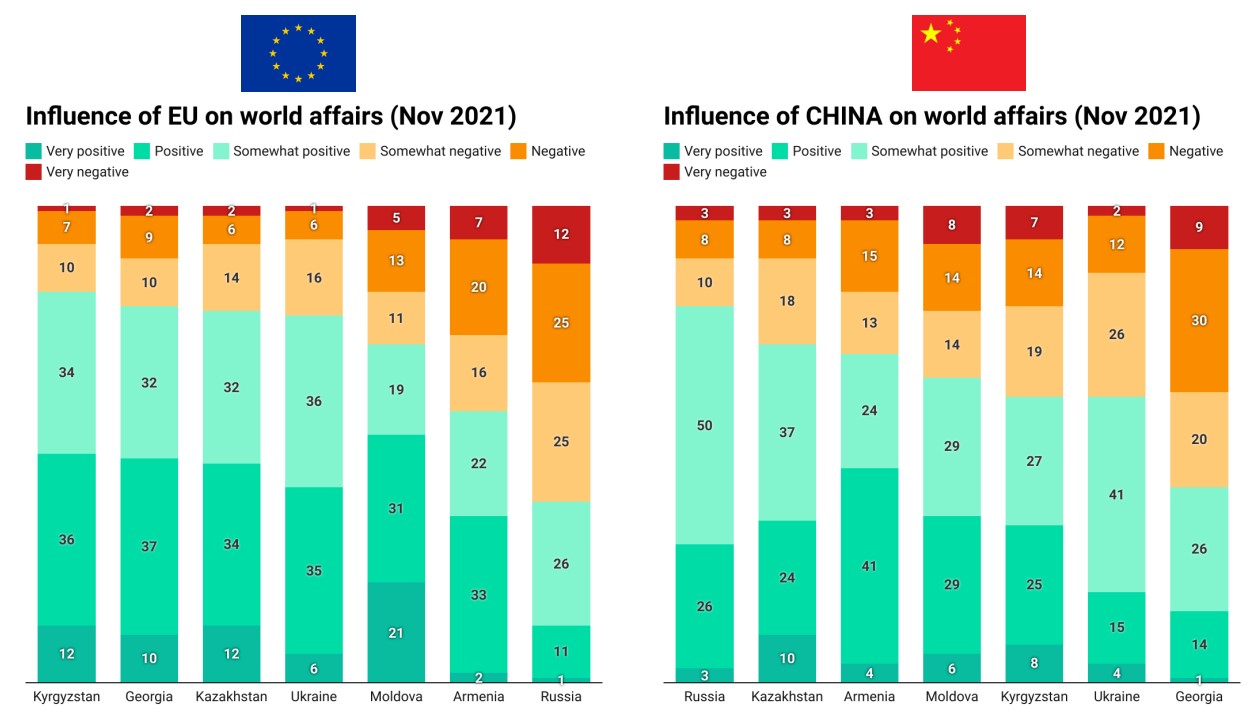
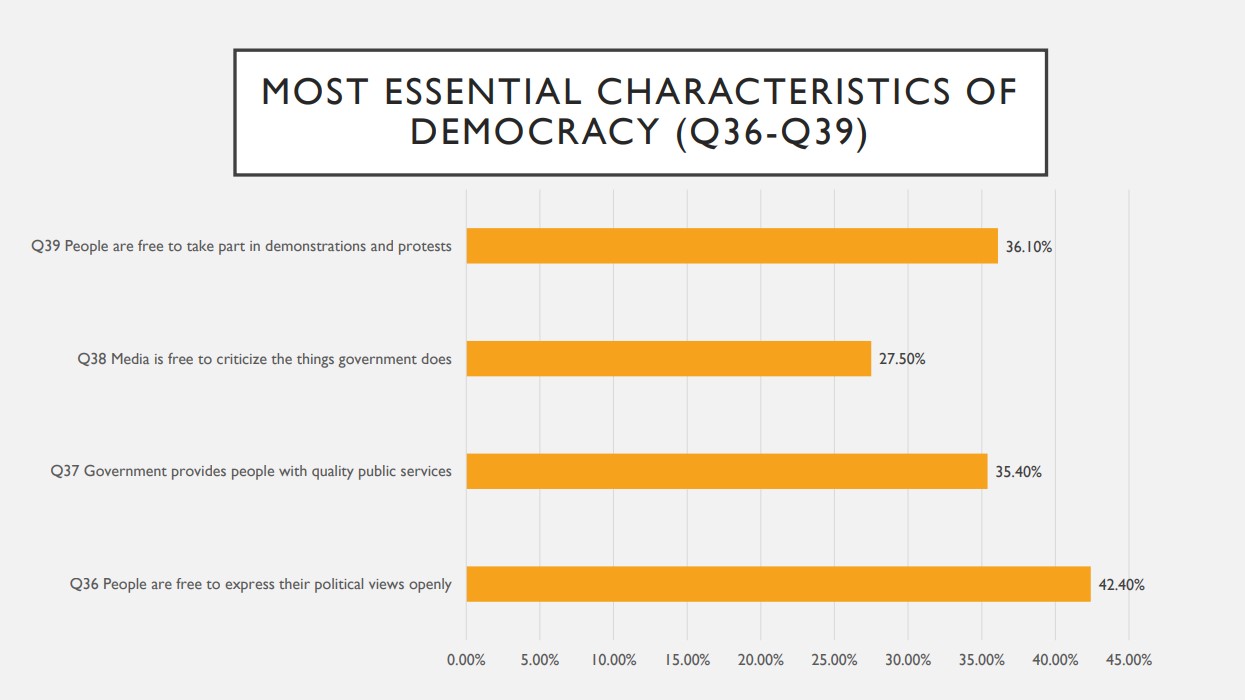
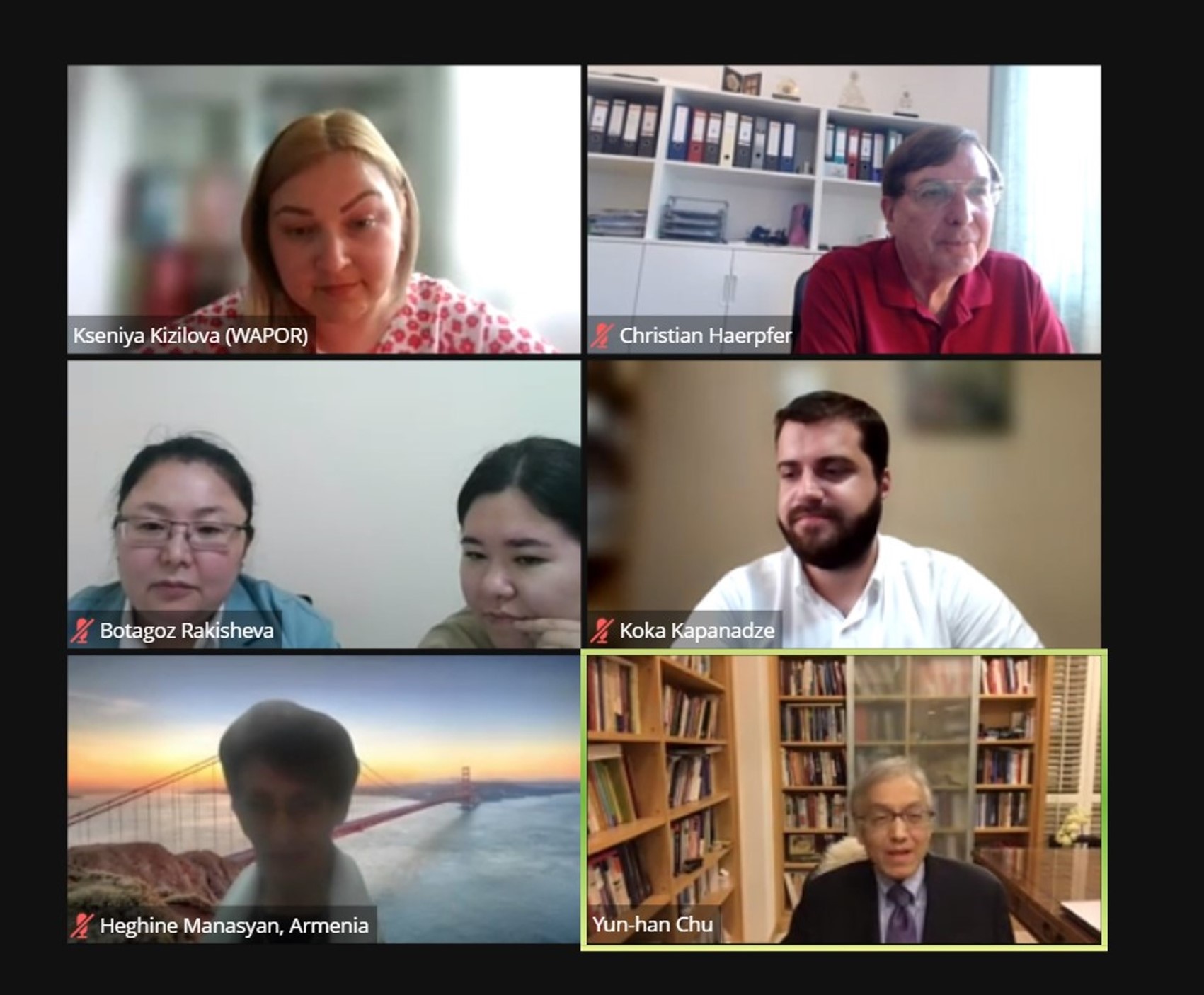
Hosted by World Association for Public Opinion Research (WAPOR) in collaboration with Global Barometer and Eurasia Barometer, this webinar presented key survey results from the region of Eurasia (Armenia, Georgia, Kazakhstan, Kyrgyzstan, Moldova, Russia, and Ukraine).
The data were collected in October and November of 2021 before the Russian invasion of Ukraine, which the incident might lead to citizens’ perspective change. Even so, these data could still reveal traces of several long-term issues and provide critical thinking if there is any glorified view on Ukrainian politics in relation to a positive reception for them to embrace European Democracy, according to Director of EAB Prof. Christian Haerpfer.
The webinar consisted of five presentations. The first two presentations were about a cross-country overview delivered by the Director of EAB, Prof. Christian Haerpfer, and Vice Director of EAB, Kseniya Kizilova. They respectively covered the background of the 2021 survey, citizens’ political attitudes and behavior, and perceptions of autocracy, income distribution, and corruption.
Following their presentations, Coordinator of EAB in Central Asia Botagoz Rakisheva, Director Emerita of CRRC Armenia Heghine Manasyan, and Project Manager at EBA in Georgia, Koka Kapanadze, dived into their national contexts and shared their findings in Kazakhstan and Kyrgyzstan, Armenia, and Georgia. They covered the themes such as the internet and social networks in the information space, public perceptions of democracy, and social and political attitudes.
The founder of GBS, Prof. Yun-han Chu, mentioned the importance of this latest wave of survey in Eurasia due to its complete application of the GBS module for the first time so researchers can compare the data from the Eurasia Barometer to those from other Barometers. He also complimented the research team members on their hard work in generating and interpreting these precious data during the pandemic when restrictions were in place and had seriously affected the response rates.
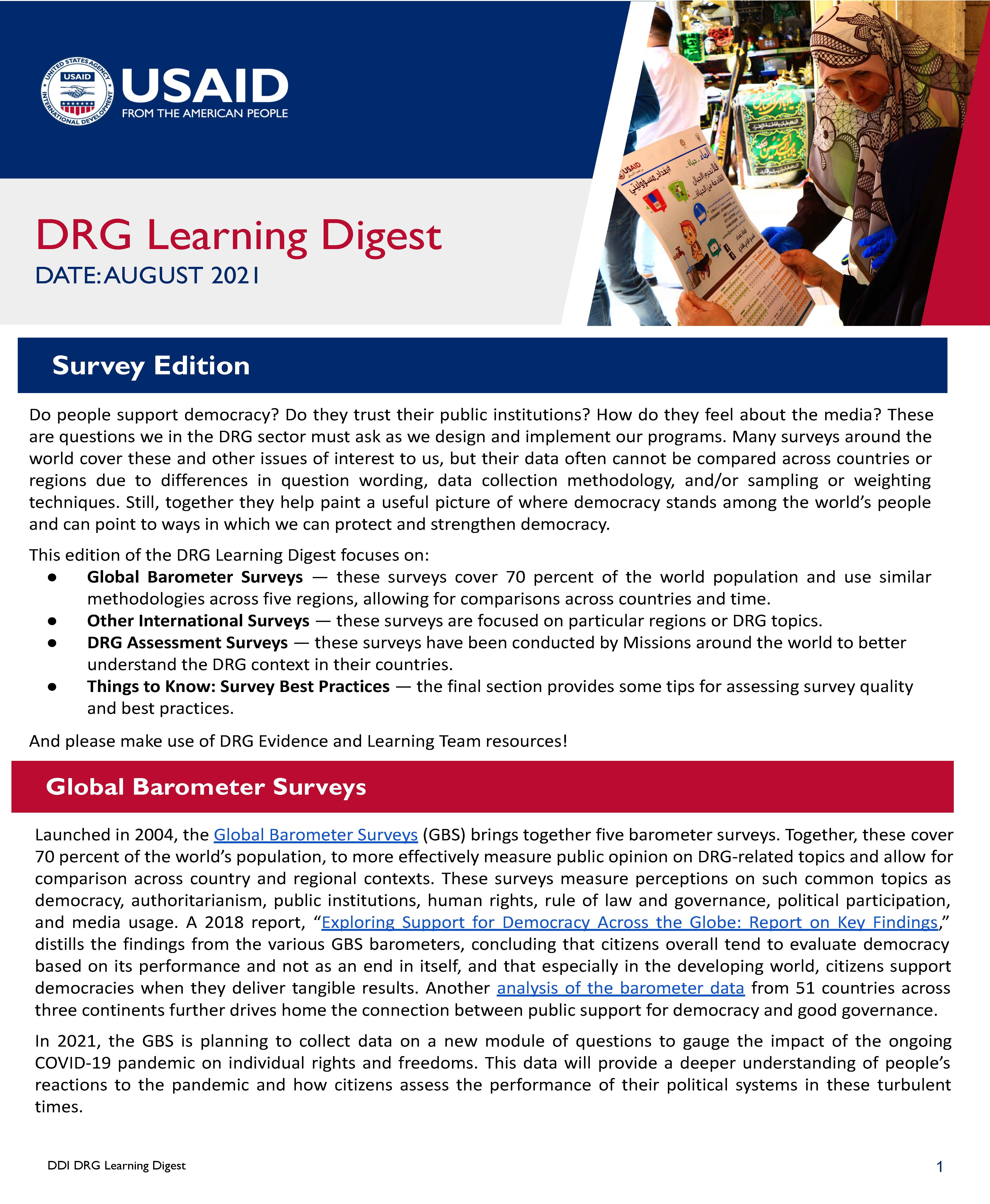
In August 2021, the United States Agency for International Development (USAID) has published its edition of Democracy, Human Rights, and Governance (DRG) Learning Digest that extensively discusses the Global Barometer Surveys (GBS) and other international surveys on democracy, human rights, and governance around the world, such as the World Values Survey and Latin American Public Opinion Project (LAPOP). In particular, the DRG Learning Digest introduces the structure, coverage, and contribution of the GBS. It indicates that those international survey projects not only help paint a useful picture of where democracy stands among the world’s people but also point to ways in which we can protect and strengthen democracy.
More details can be viewed in the attachment: USAID_Survey_Edition_August_2021
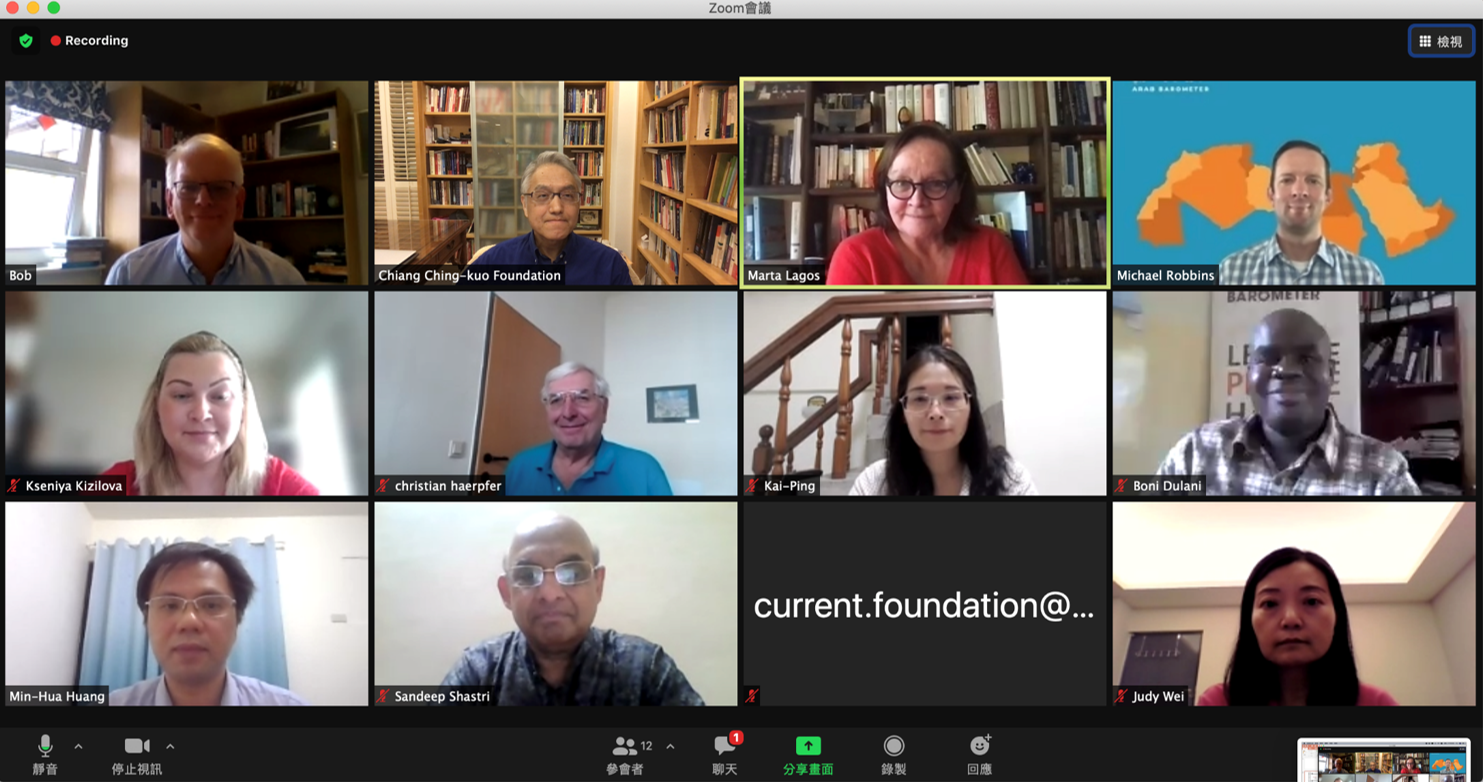
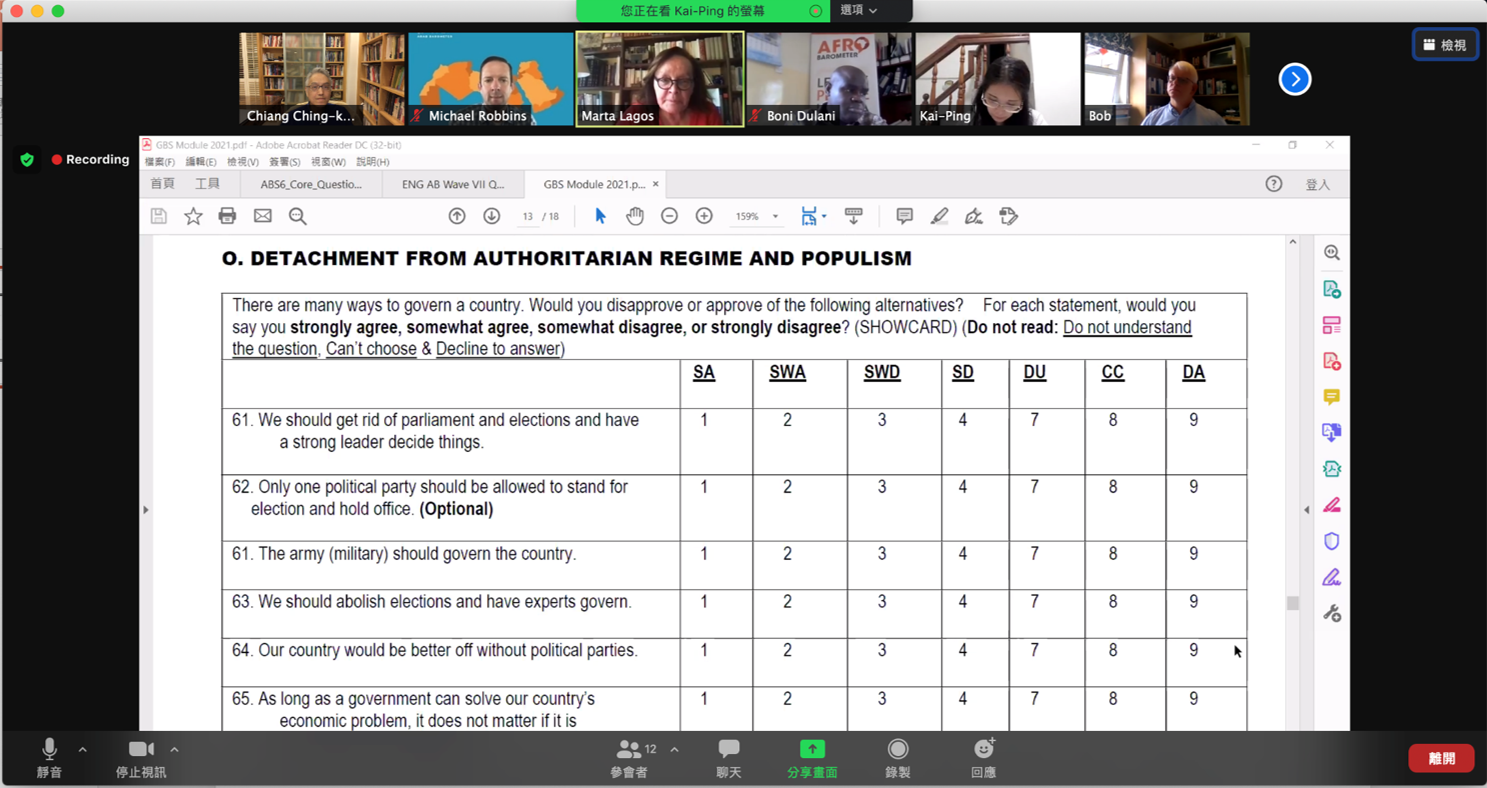
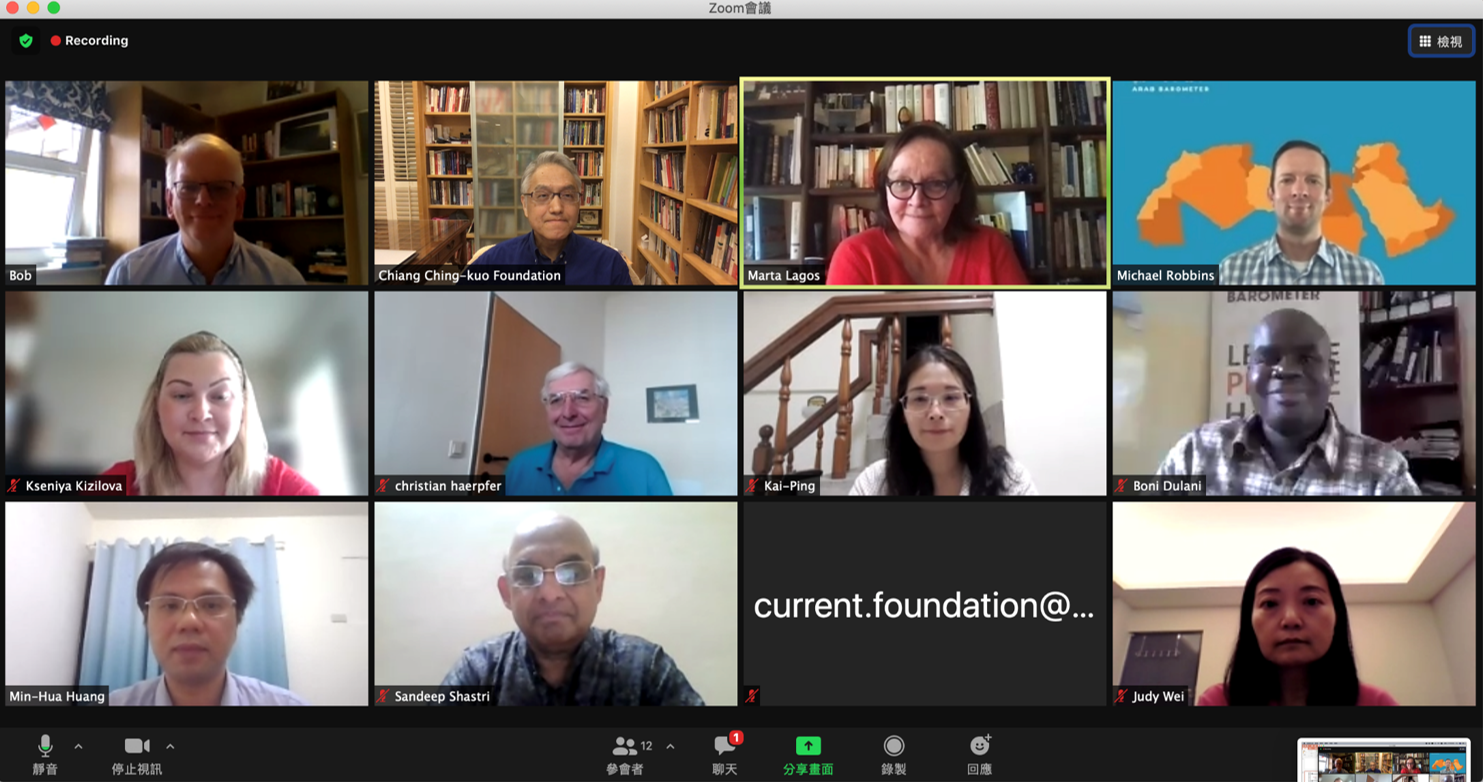
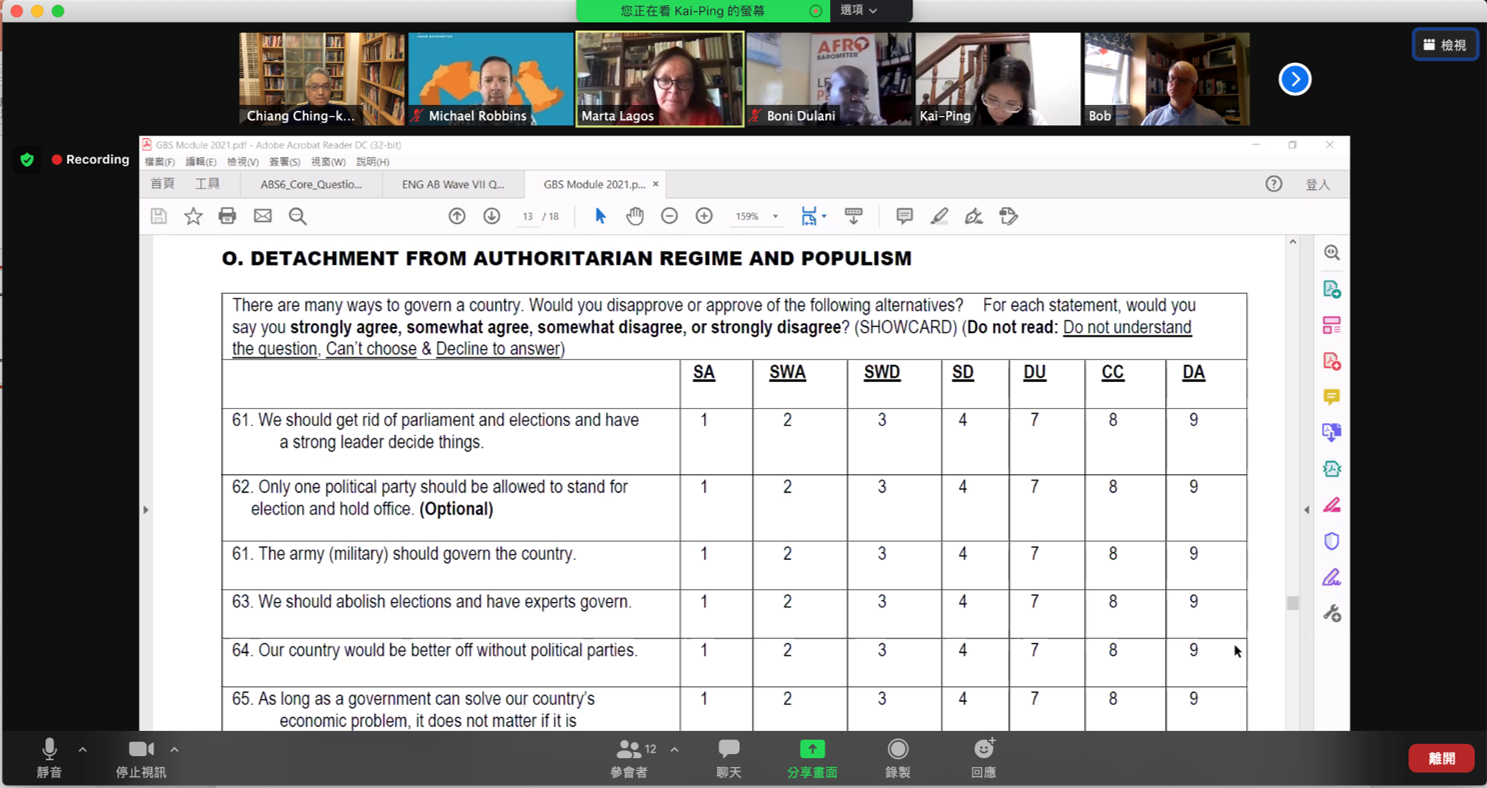
The GBS network held a virtual planning meeting on June 9, 2021. The regional barometers in the GBS network are preparing to launch a new round of surveys in the summer and the purpose of the meeting was to coordinate questionnaires across the network. Due to the ongoing Covid-19 pandemic and the expansion of executive power across the globe, the GBS module 2021 will include a Covid-19 battery that can provide comparable data regarding people's experiences of the pandemic and views on constraining individual rights and freedoms in the name of fighting the virus. With this new module, the GBS will provide a rich dataset that can help us understand how ordinary people react to the pandemic and how they evaluate the performance of their political systems in this troubled time.
The Economist released a briefing entitled “Myanmar’s coup turns the clock back a decade” on the 6th of February citing a report presented by Asian Barometer Survey (ABS) “Myanmar Grappling with Transition: 2019 Asian Barometer Survey Report” in May 2020.
“Myanmar’s coup turns the clock back a decade”
New leader; old problems
Myawaddy, a television station owned by the Burmese army, is normally so bad as to be unwatchable. But when the residents of Naypyidaw, Myanmar’s capital, and Yangon, its largest city, woke on February 1st to find soldiers in the streets and martial music blaring from their radios Myawaddy became “must-see tv”. It was a Myawaddy newsreader who announced that the country was in a state of emergency and under the control of Min Aung Hlaing, the head of the army.
Soldiers were stationed in government offices. Airports were closed and, in the cities, the internet shut down. Hundreds of politicians from the National League for Democracy (NLD), which won an overwhelming victory in the country’s parliamentary elections last November, were put under house arrest. The armed forces also rounded up chief ministers from all the country’s 14 states in addition to democracy activists, writers, three monks and a film-maker, Min Htin Ko Ko Gyi. Aung San Suu Kyi, who became a figure of global renown when she led the NLD from house arrest during the 1990s and 2000s, and who as “state counsellor” was the country’s undisputed civilian leader, now finds herself under lock and key again.....
The full briefing and report can be viewed in the link below:
The Global Barometer Survey (GBS) and the World Association for Public Opinion Research (WAPOR) held a joint webinar on November 20 (Friday). The theme of the webinar is "Pandemic, Governance, and Comparative Public Opinion Research." The agenda is here, and the recorded video is as follows:

By Yun-han Chu, Michael Vatikiotis, Mosharraf Zaidi, and Catherine Putz
November 01, 2020
In November 2020, all eyes are on the United States as it concludes a contentious presidential election. Donald Trump’s original victory in the 2016 presidential polls fed into a growing wave of despair about democracy’s decline around the world: the growth of populism and majoritarianism among politicians coupled with increasingly illiberal and nationalist sentiments in the general public across the world.
This year, the COVID-19 pandemic has accelerated some of those trends, especially amid the economic chaos resulting from lockdowns and shutdowns around the world. In our cover story, we examine the current health of democracy in our four main coverage regions: East Asia, Southeast Asia, South Asia, and Central Asia. Which countries are backsliding, and which are avoiding a democratic decline?
Around the world, COVID-19 has tested democracies and accelerated trends toward populism and authoritarianism. In East Asia, however, things are playing out much differently. China and North Korea, of course, remain one-party states with little room for free expression, much less political choice. But the region’s democracies have bucked global trends by handling COVID-19 capably and keeping their economies afloat – and, in the process, bolstering their public’s faith in democratic systems.
Democracy has had an enduring but troubled relationship with Southeast Asia. After a passionate courtship at the end of the colonial era, there were long periods of argument and estrangement. Then, starting about 20 years ago, there was a reunion and some reconciliation. However, the past few years have seen old enmities resurface and democracy is now undoubtedly under pressure across the region.
In South Asia, the notion of democracy has continued to slide into an existential crisis of majoritarianism that was supposed to have been resolved during the overthrow of the British Raj and the winning of independence in 1947. South Asia’s biggest countries are in conflict with each other and with themselves, perpetuating the Orientalist zeal with which the region is described by foreigners, and pouring cold water over the dreams of a South Asian century shared by many peaceniks in the region.
Democracy has never been alive and well in Central Asia. If 2020 dimmed the shine of democracy in many corners of the world, in Central Asia the light was never truly plugged in. Amid a tumultuous 2020, with a pandemic and ensuing economic upheaval, democracy in Central Asia is as it ever was: mostly a masquerade.
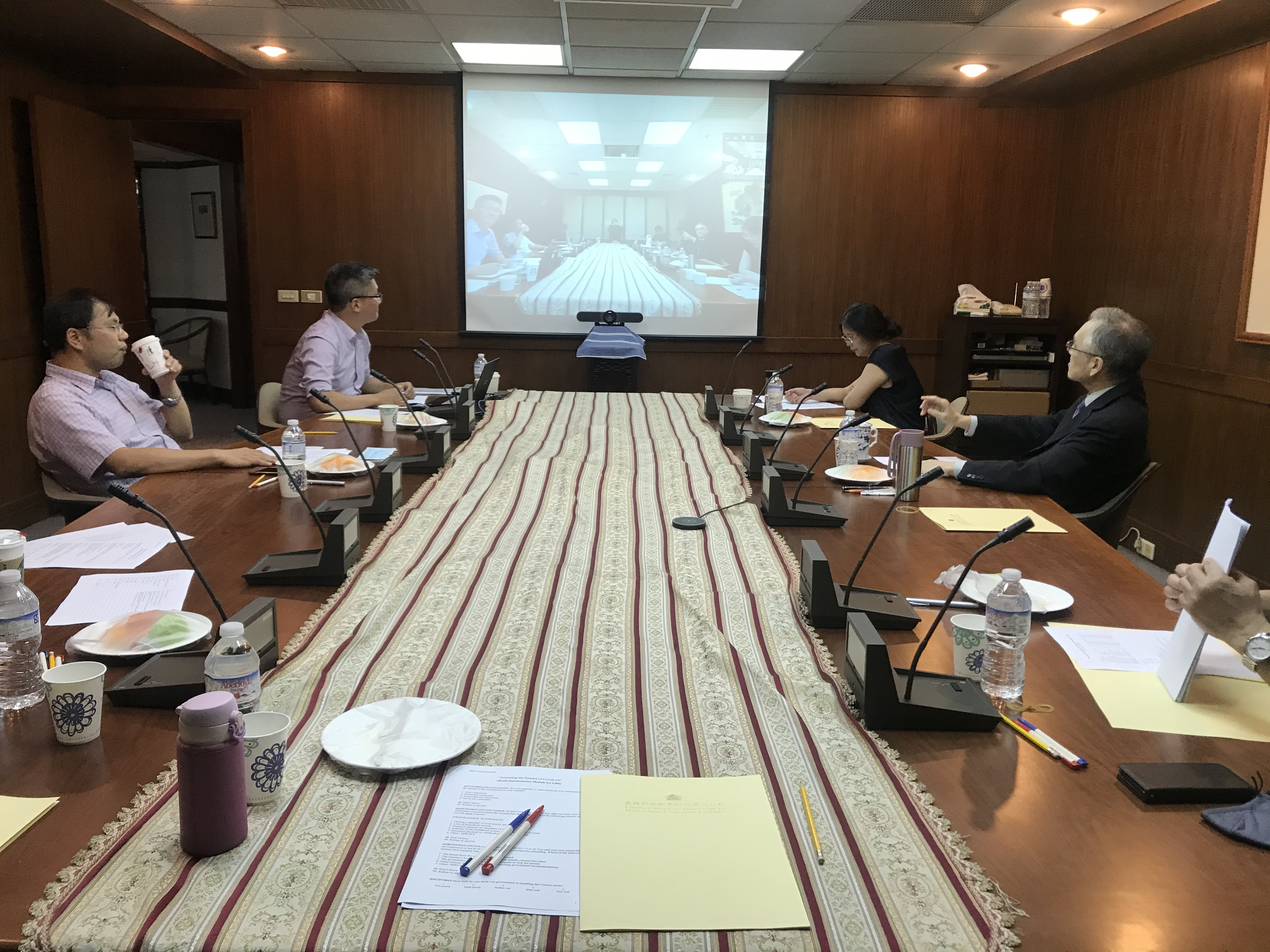
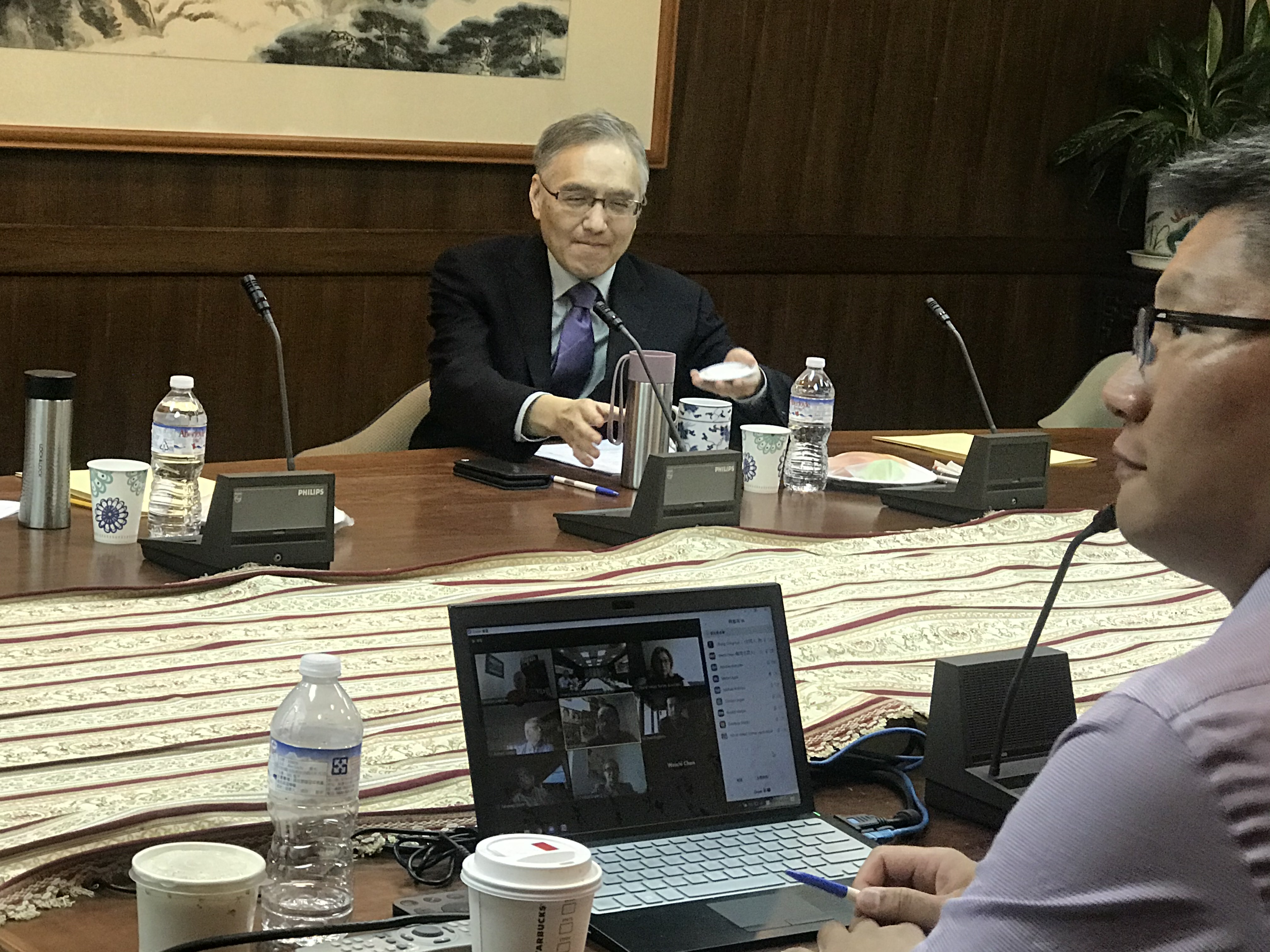
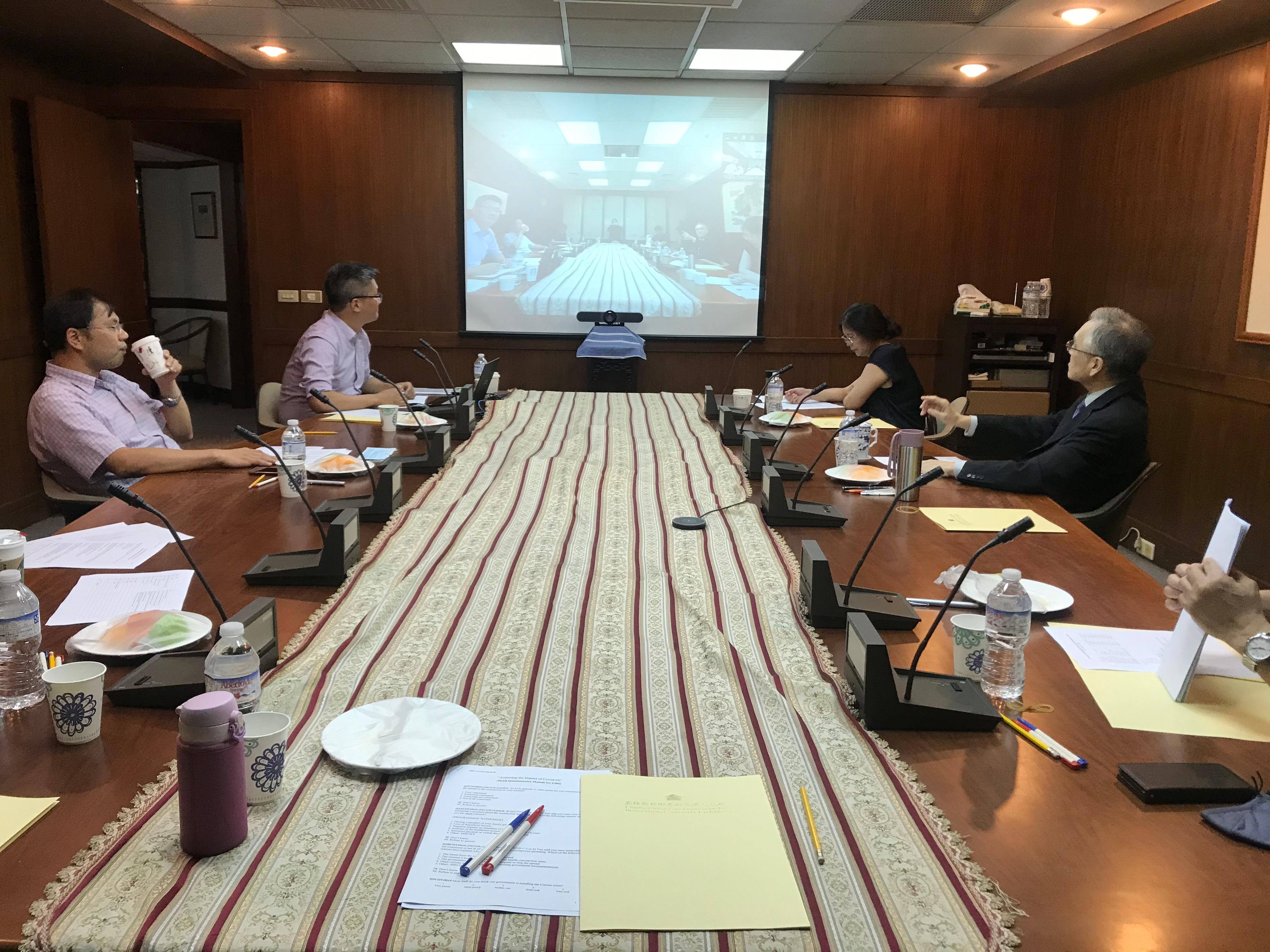
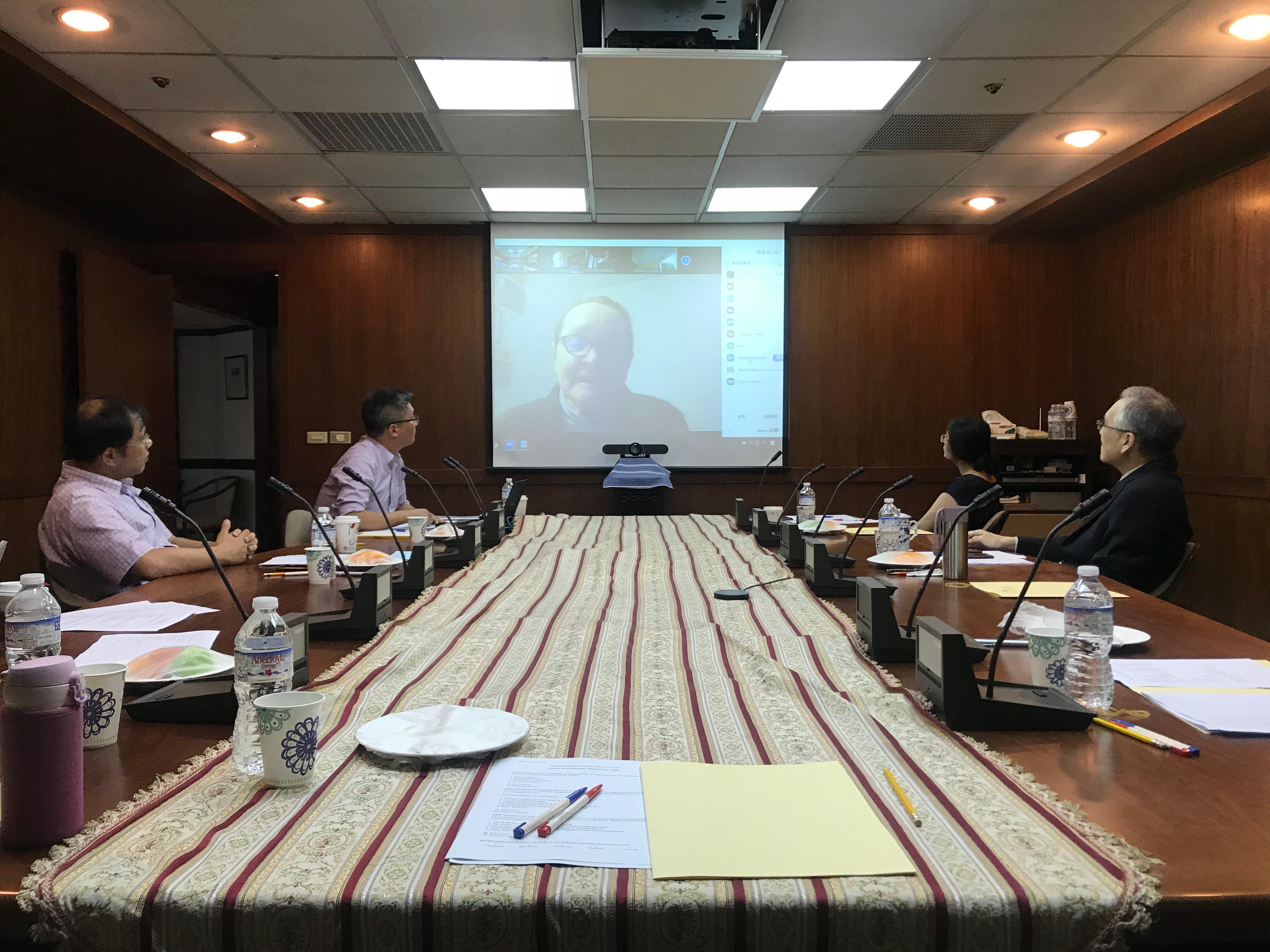
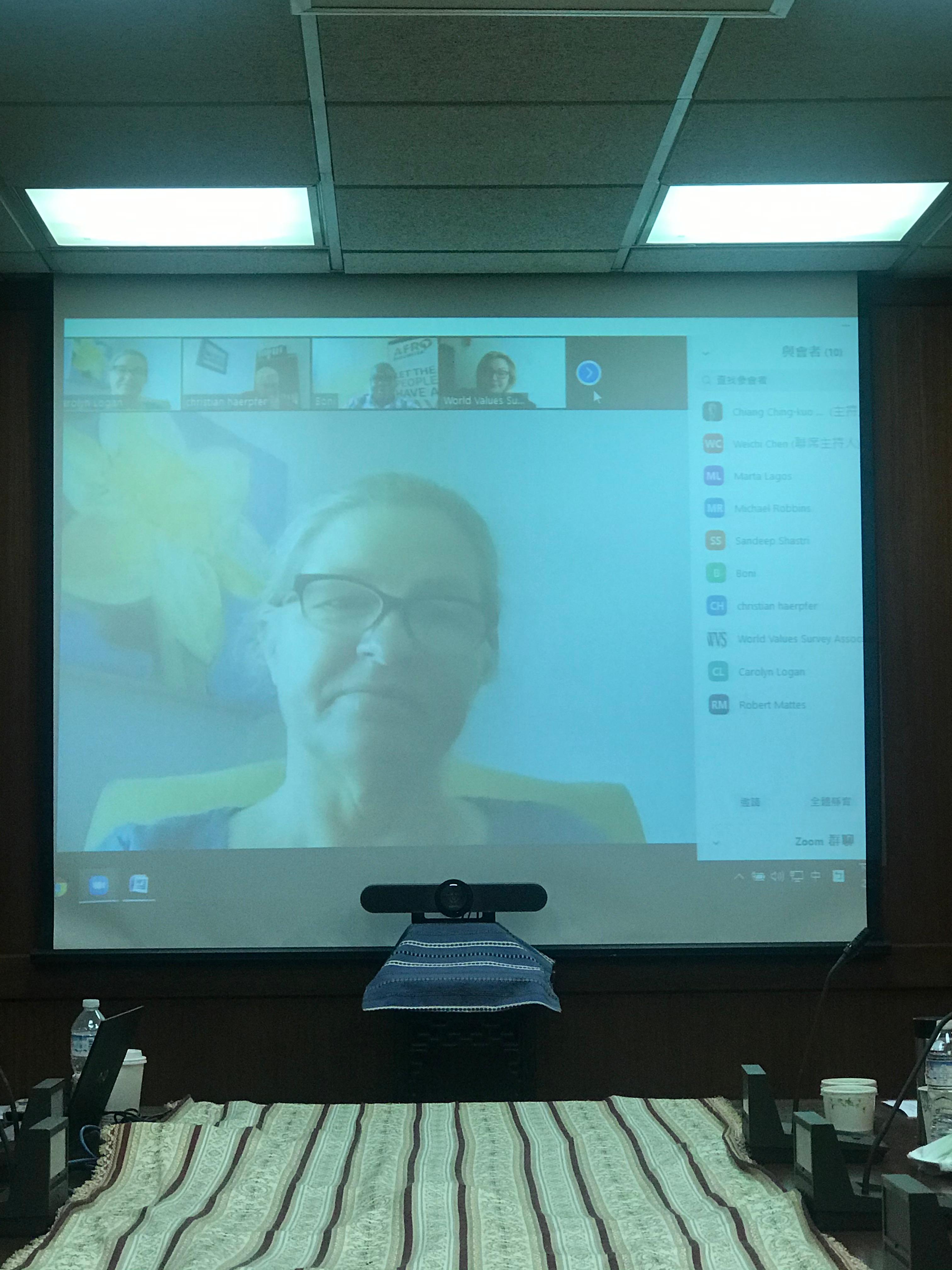
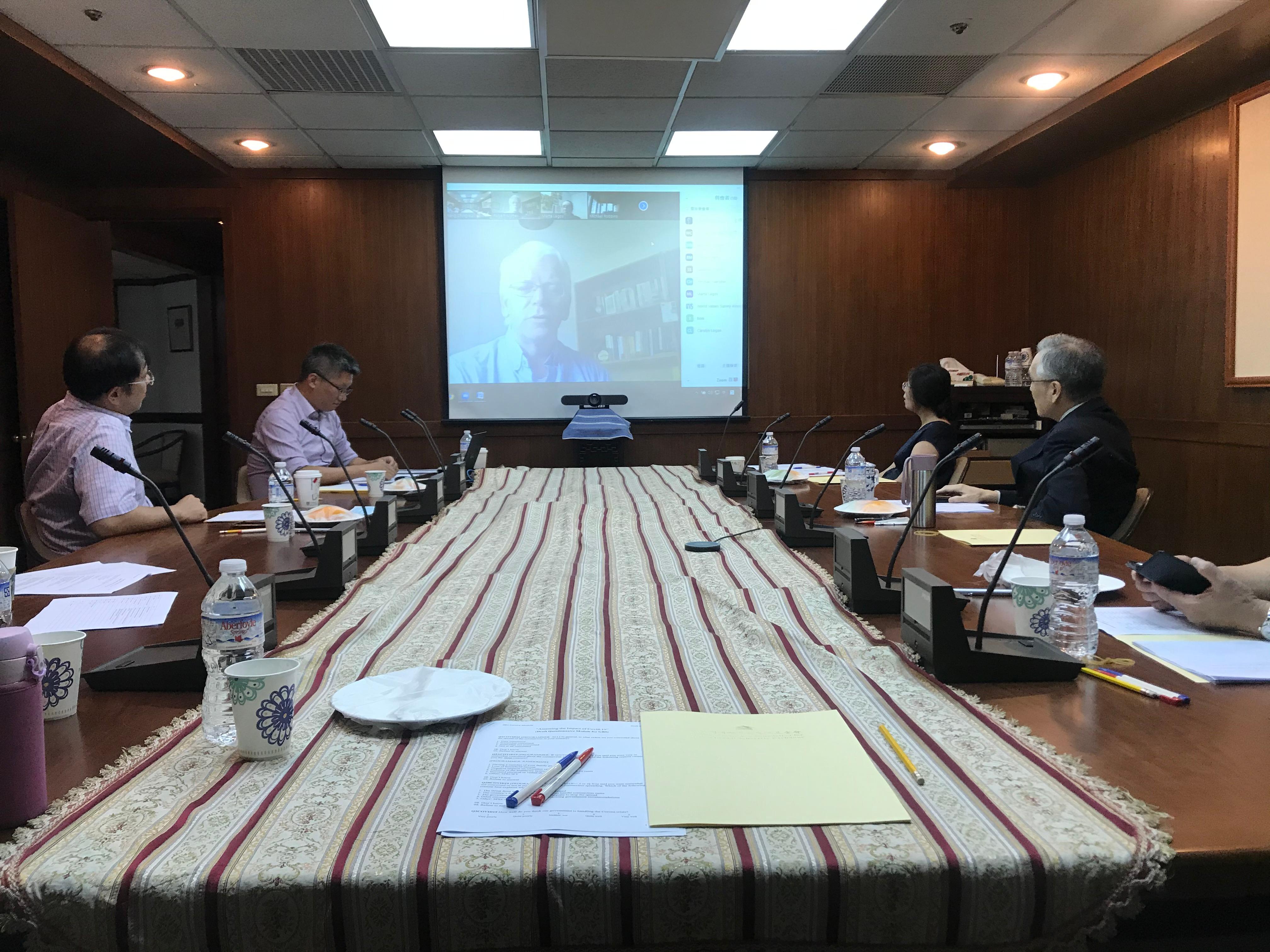
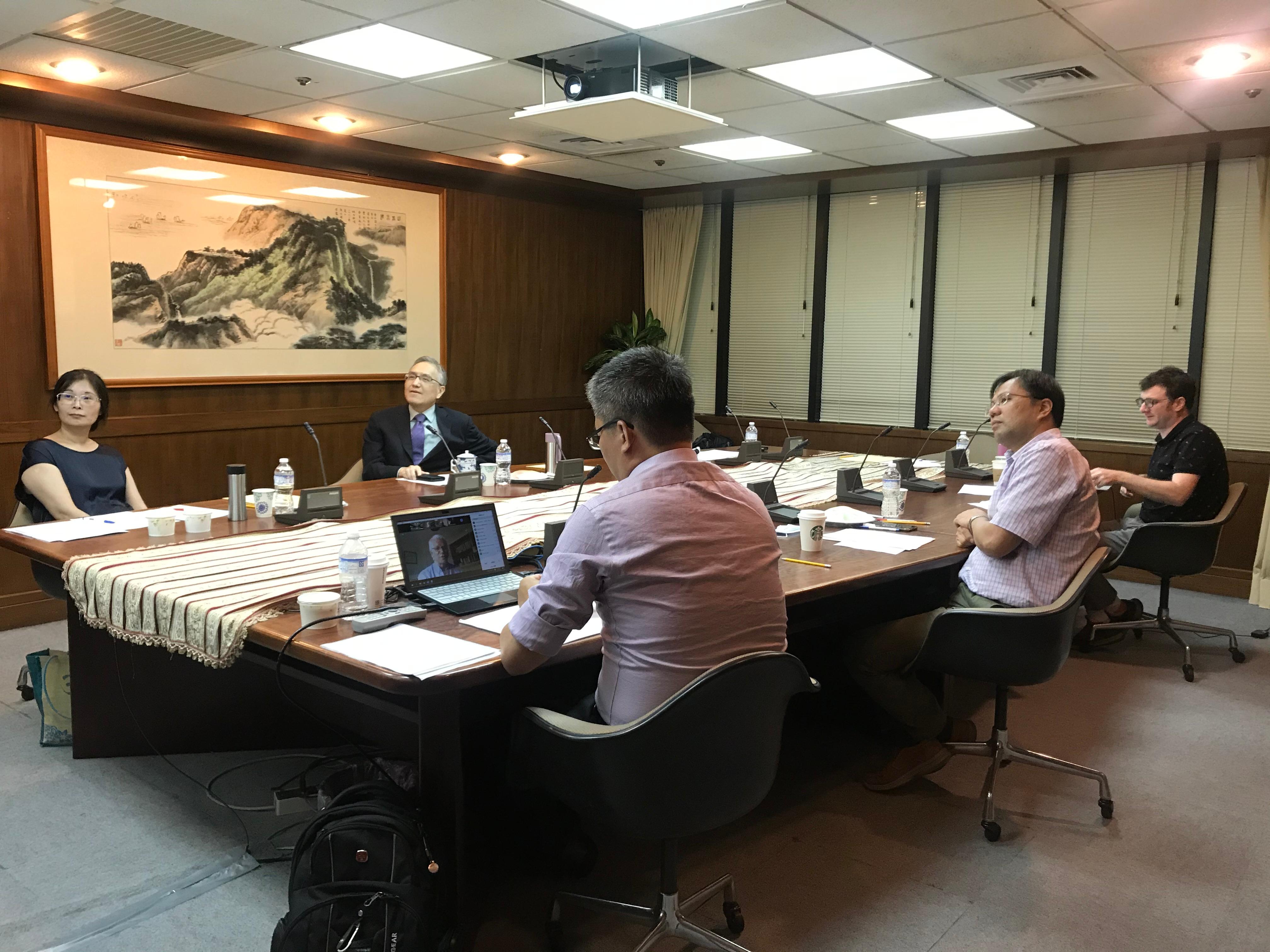
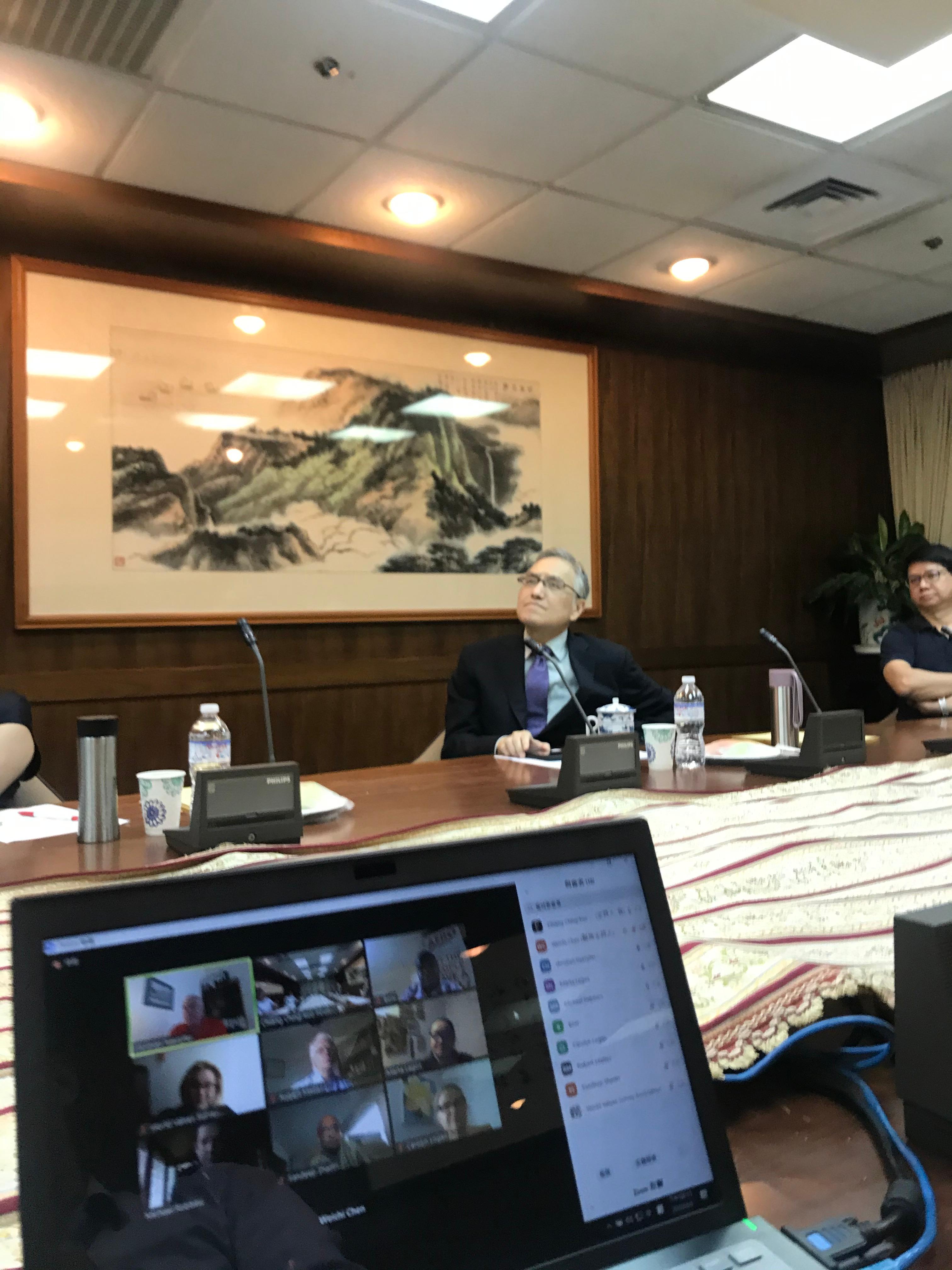
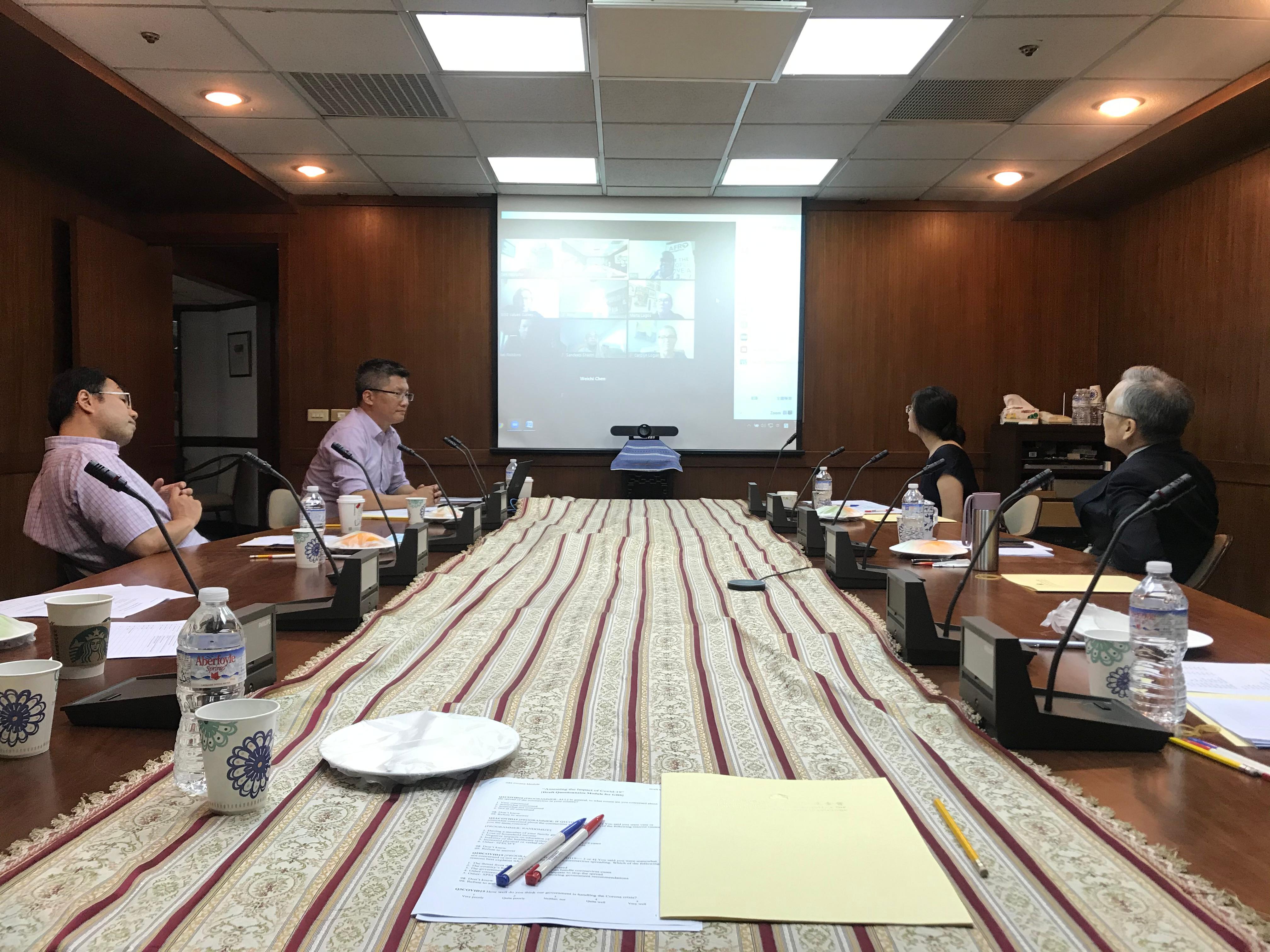
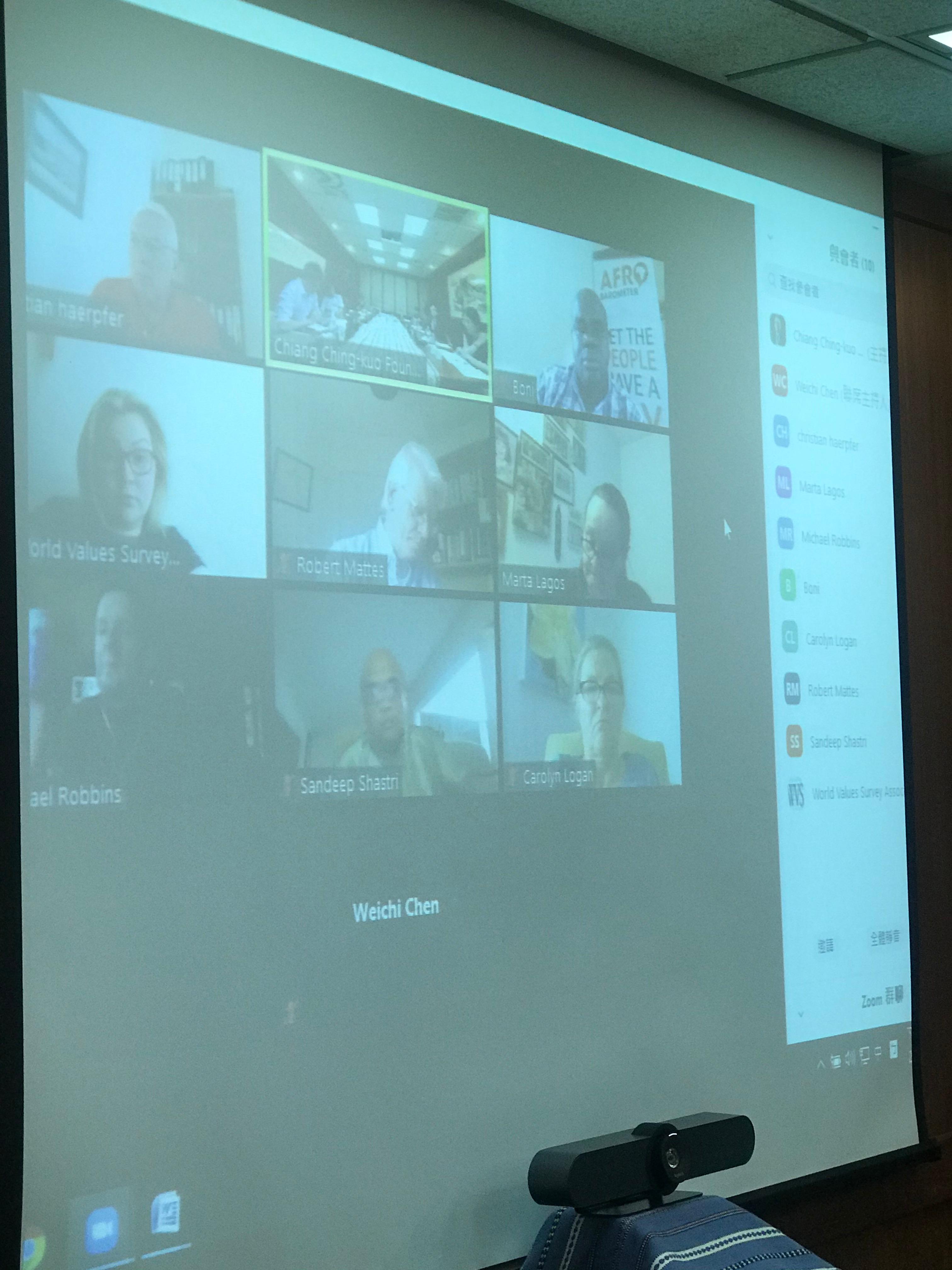
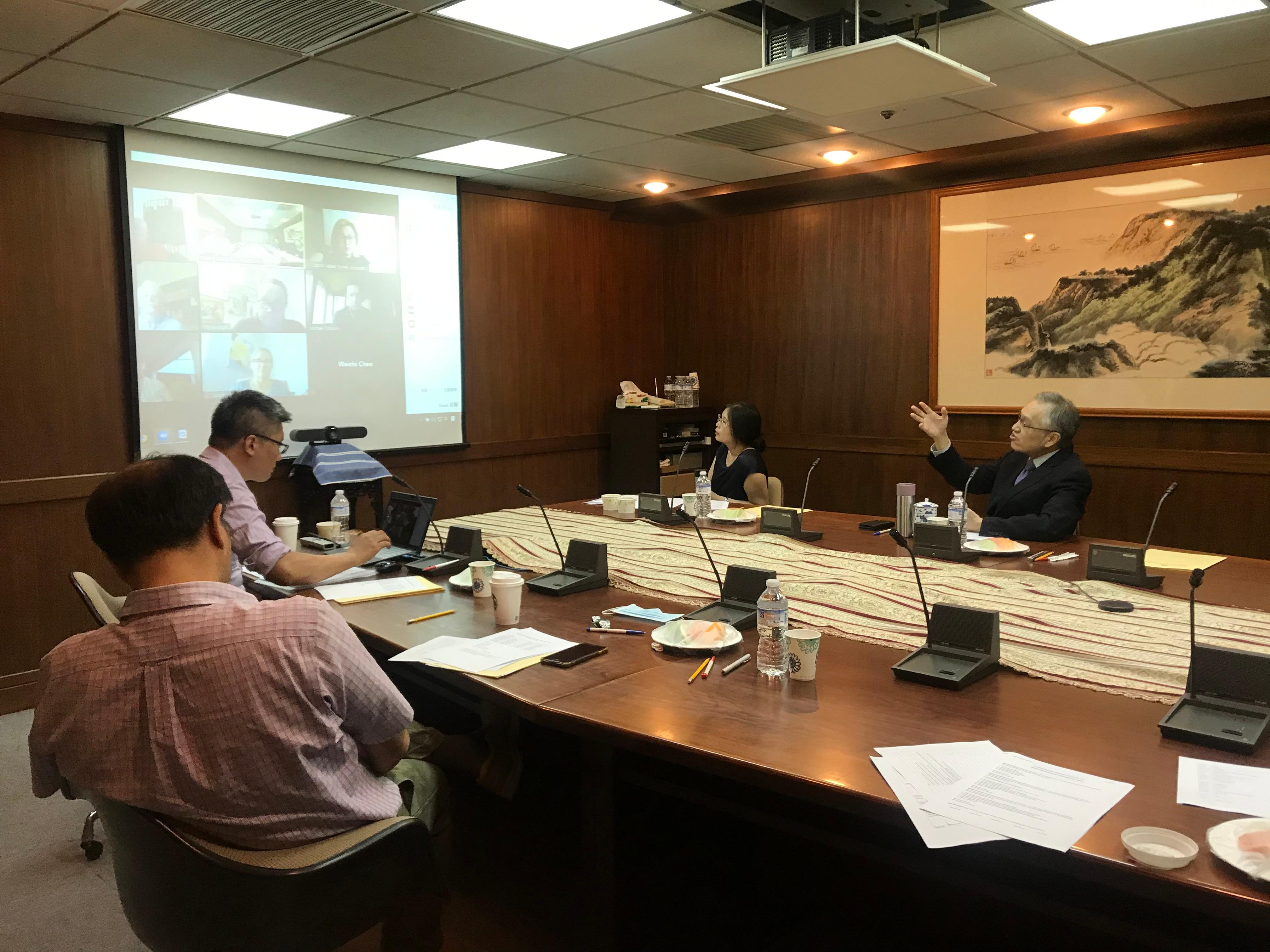
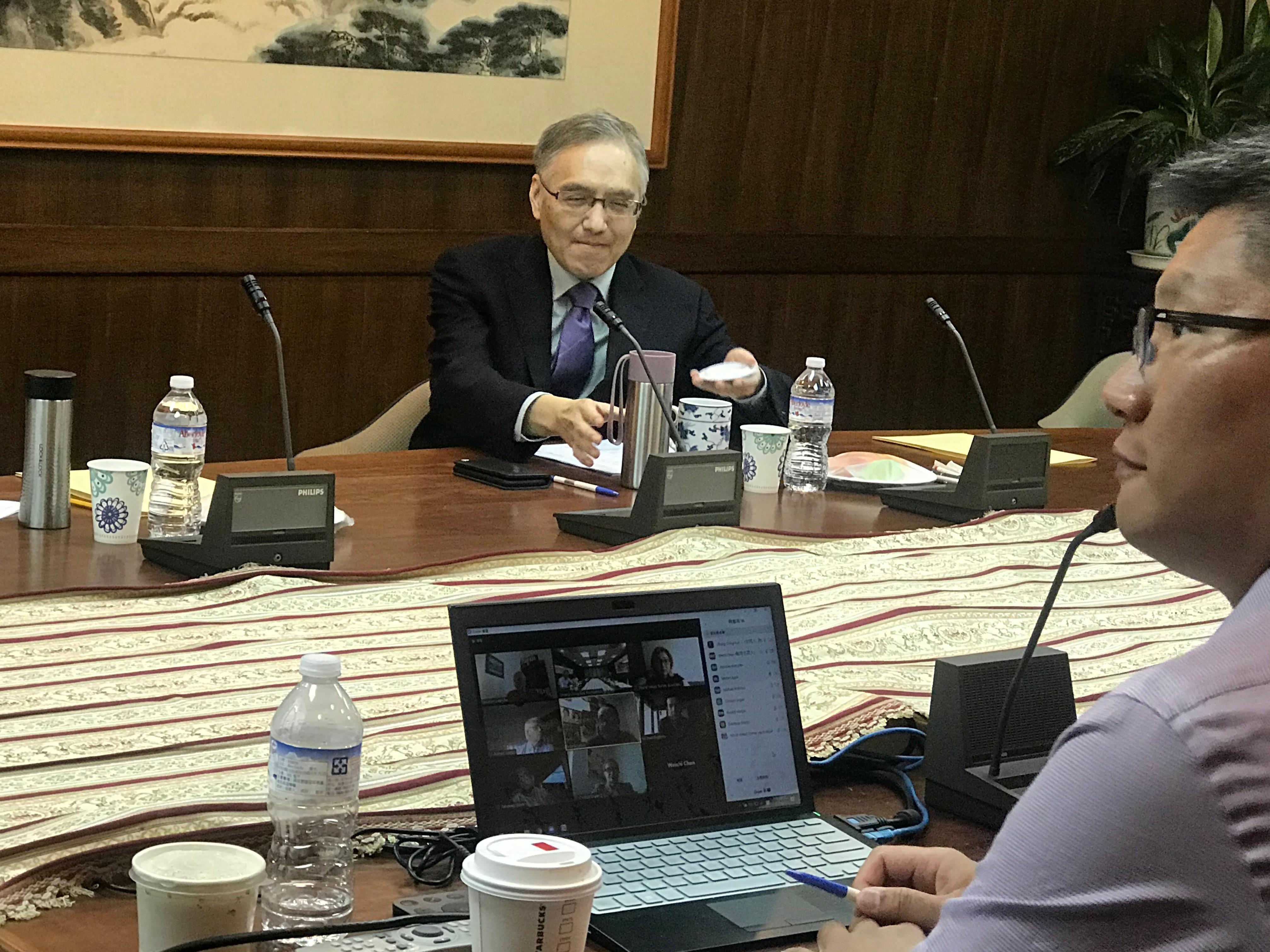
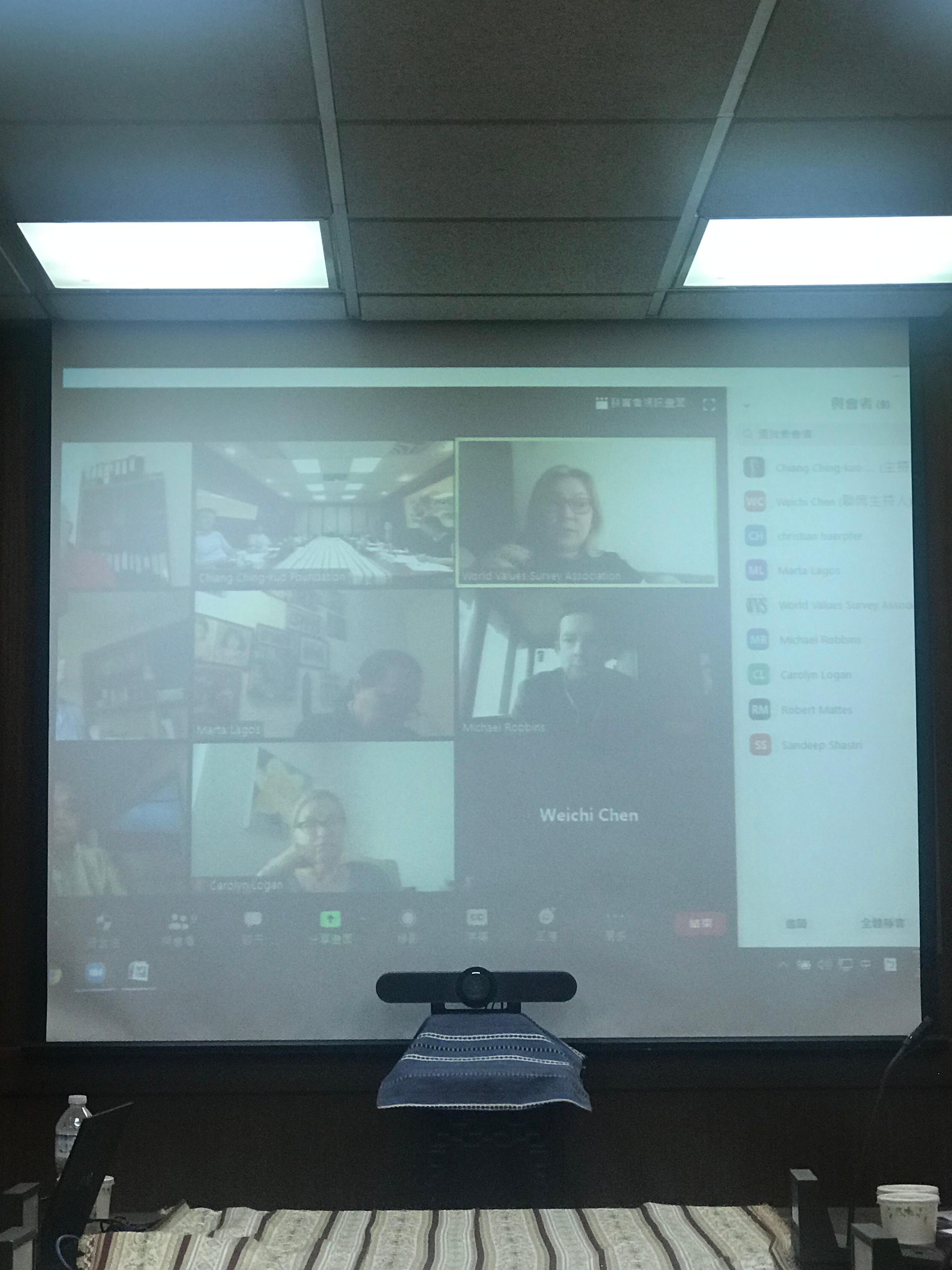
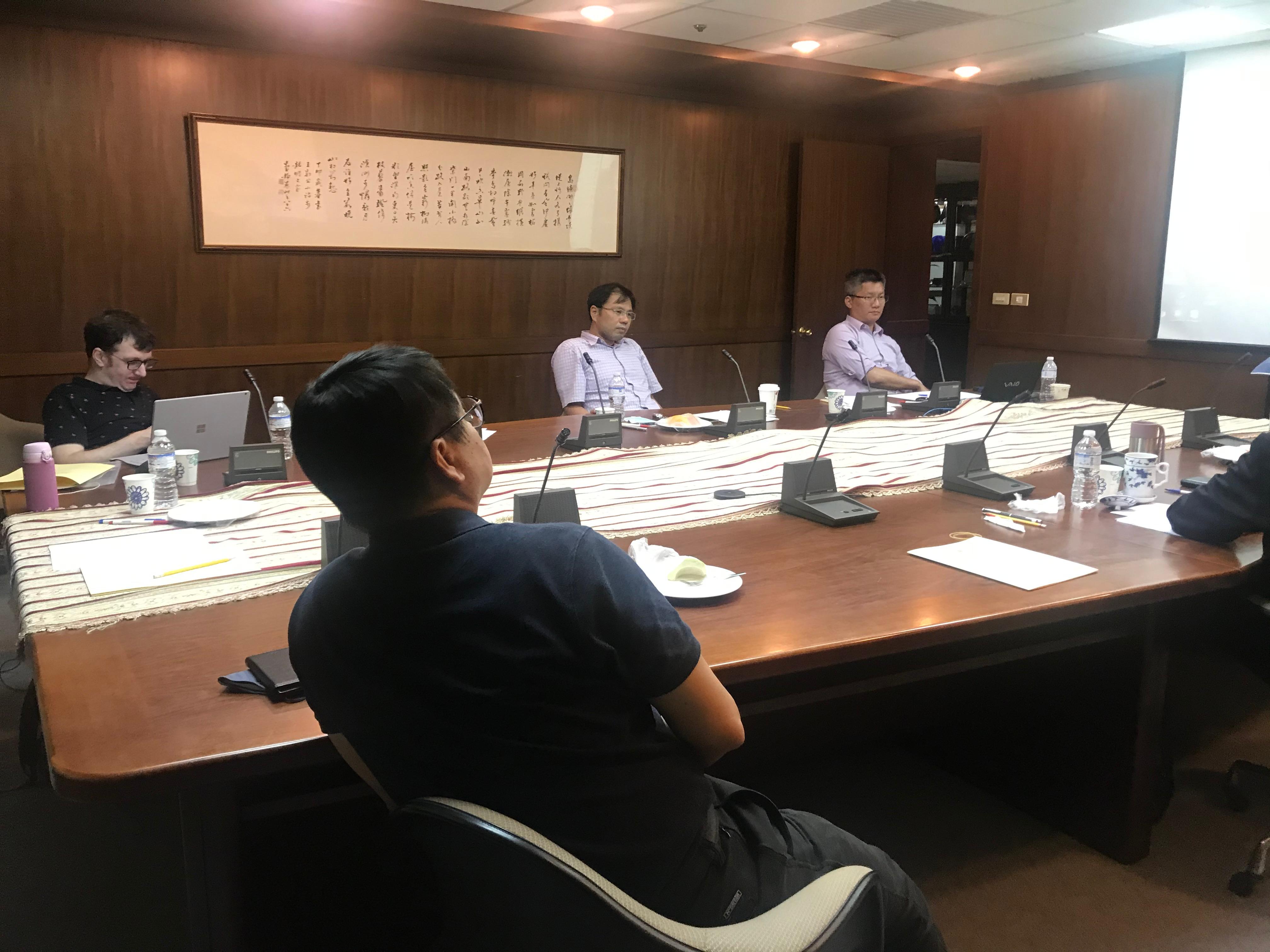
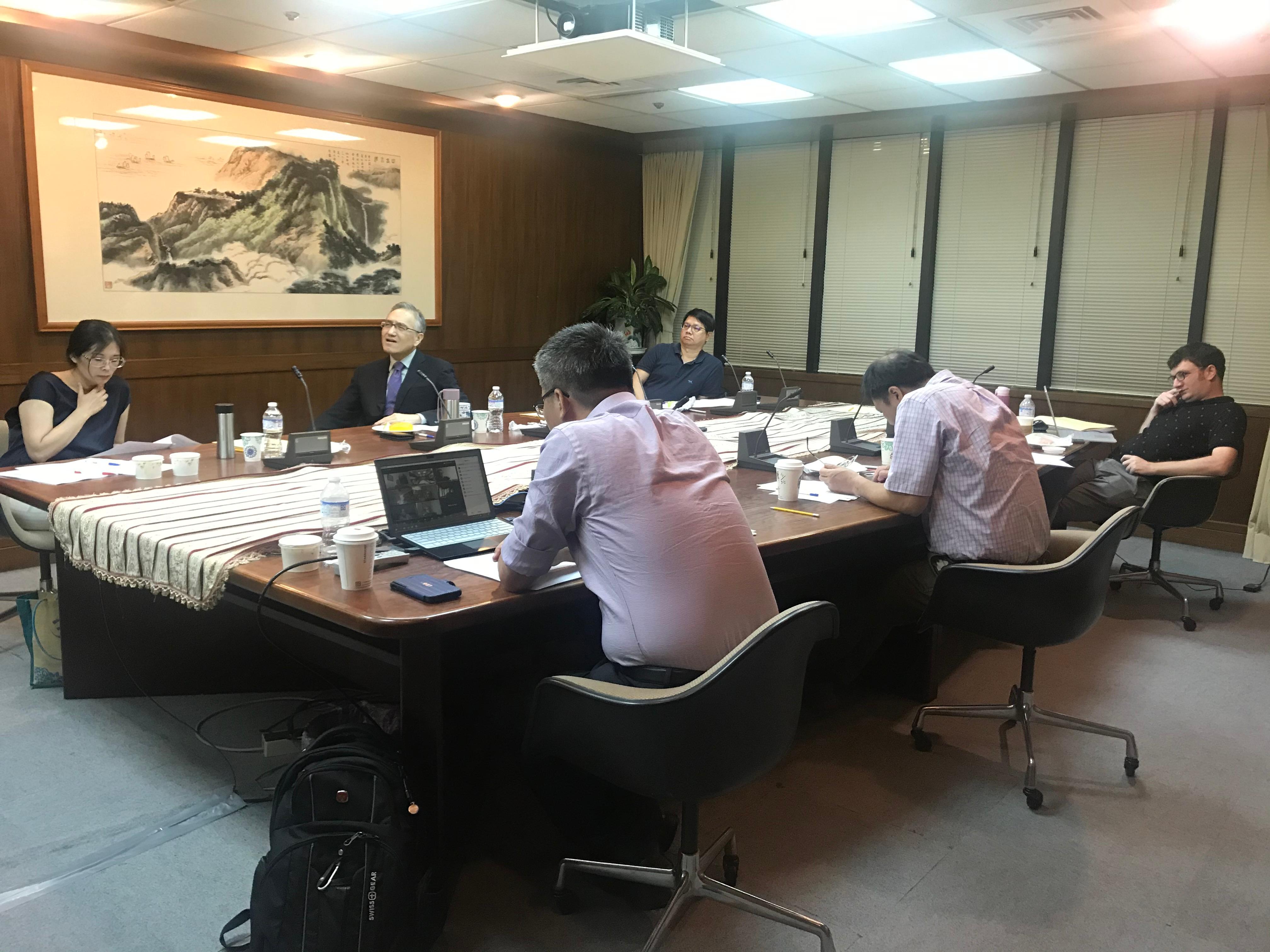
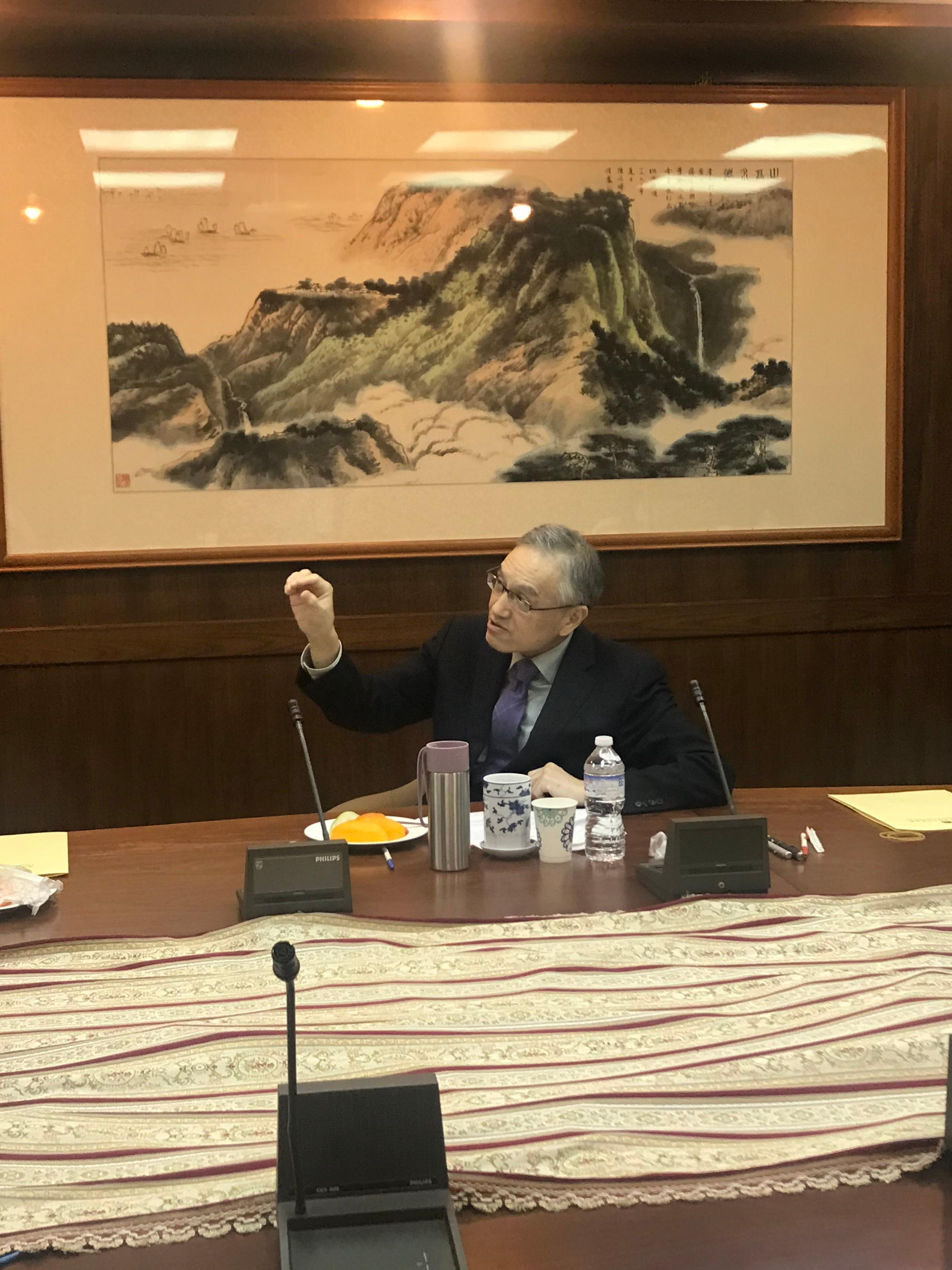
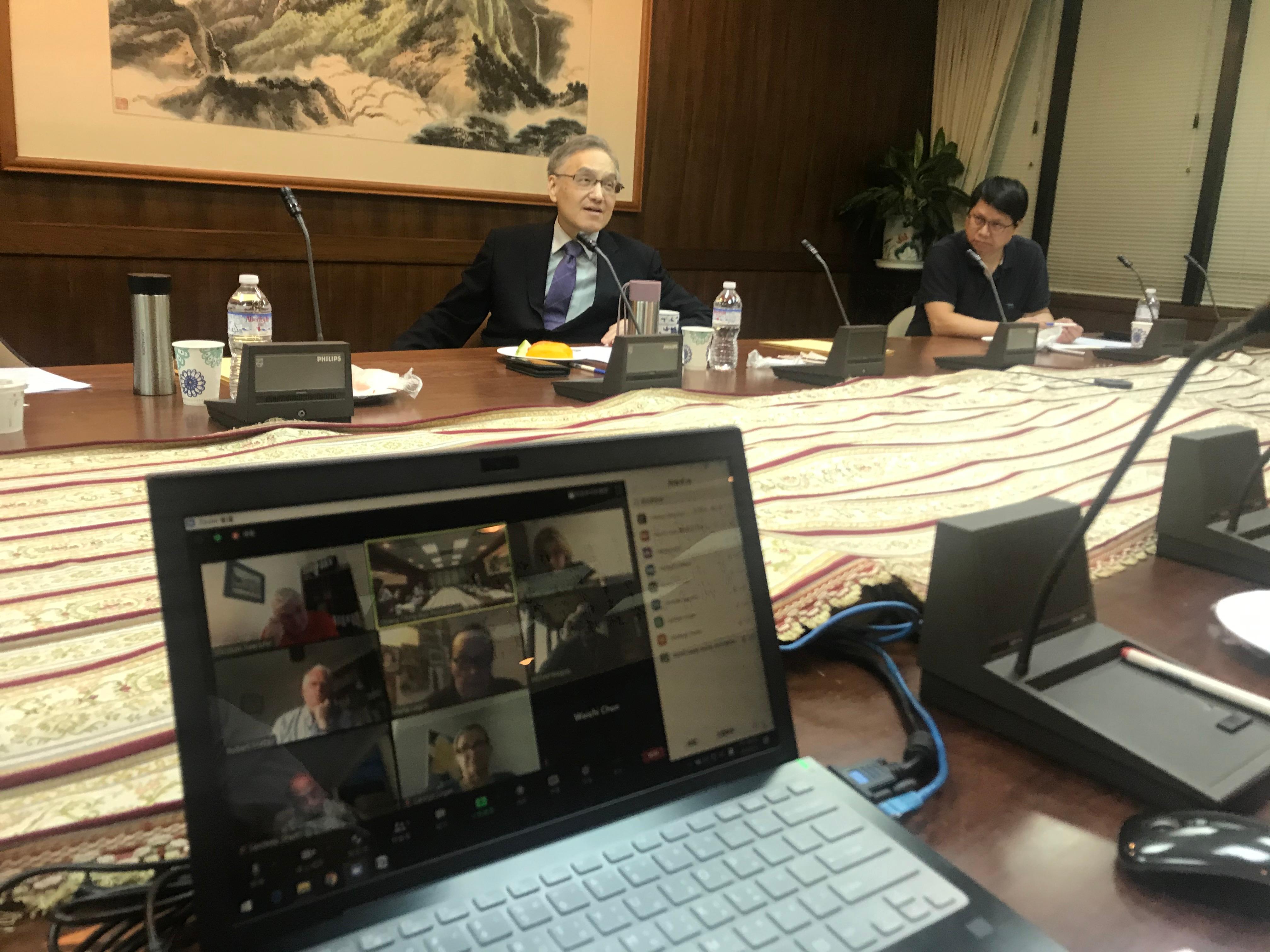
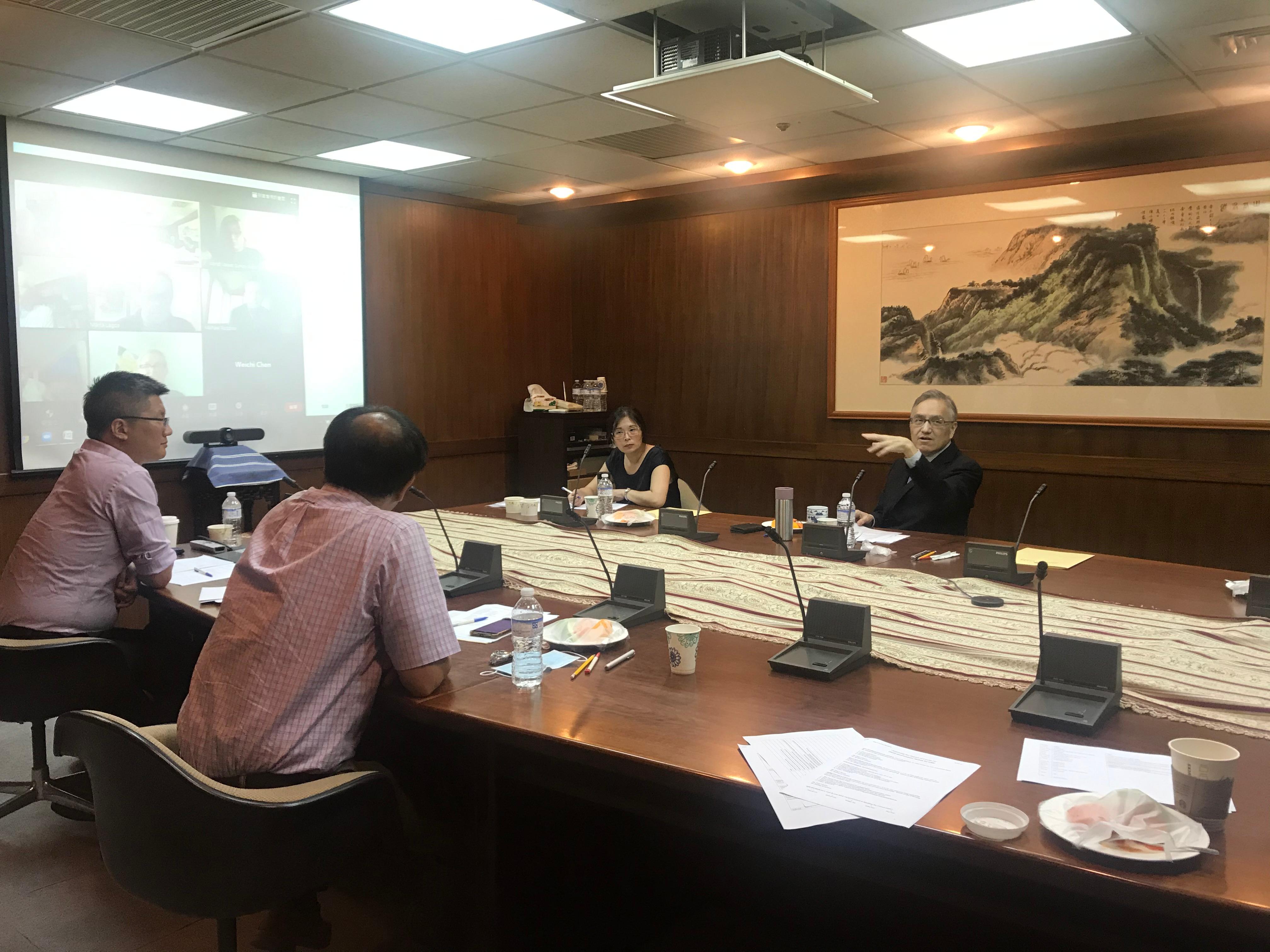
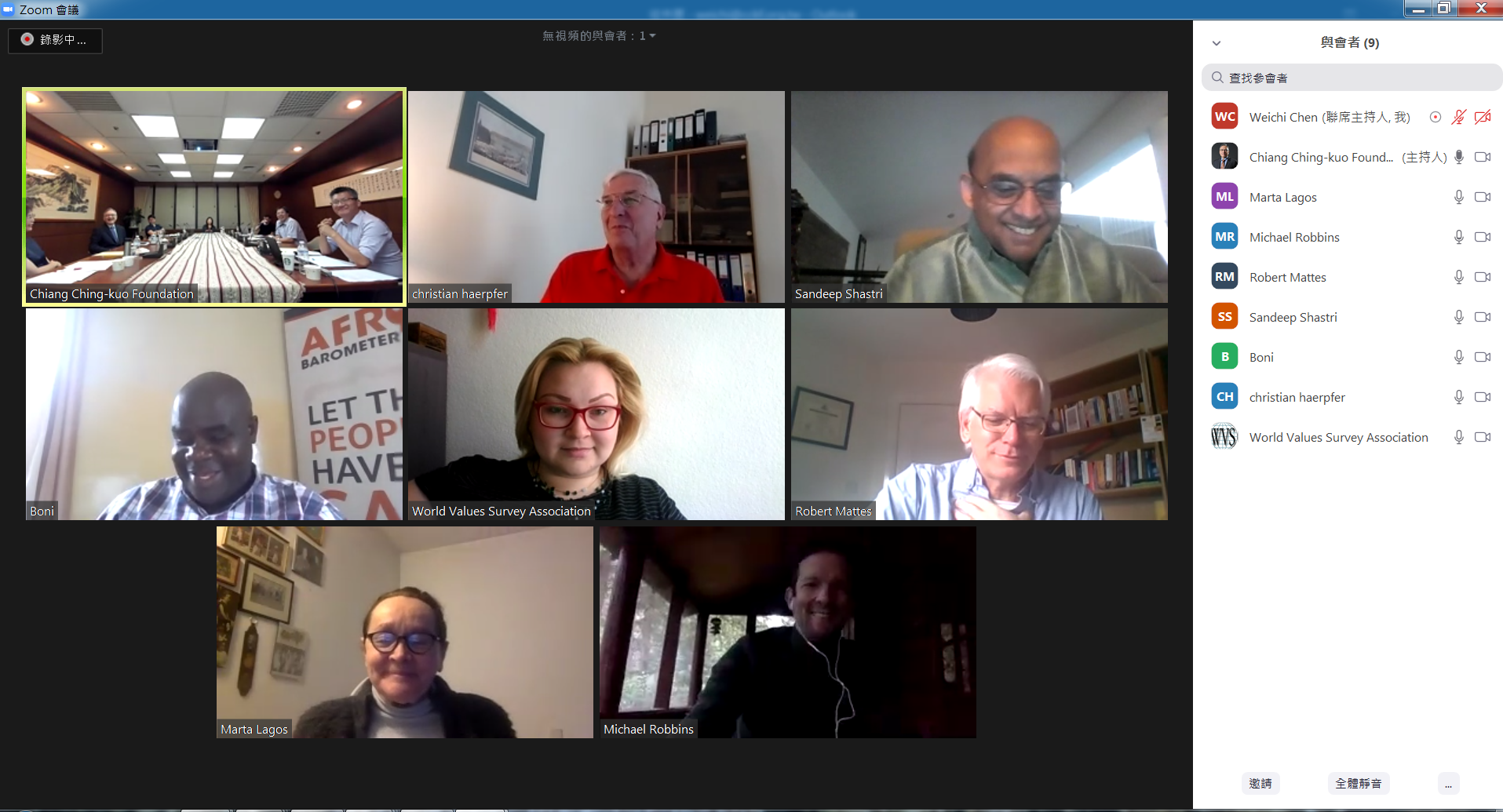
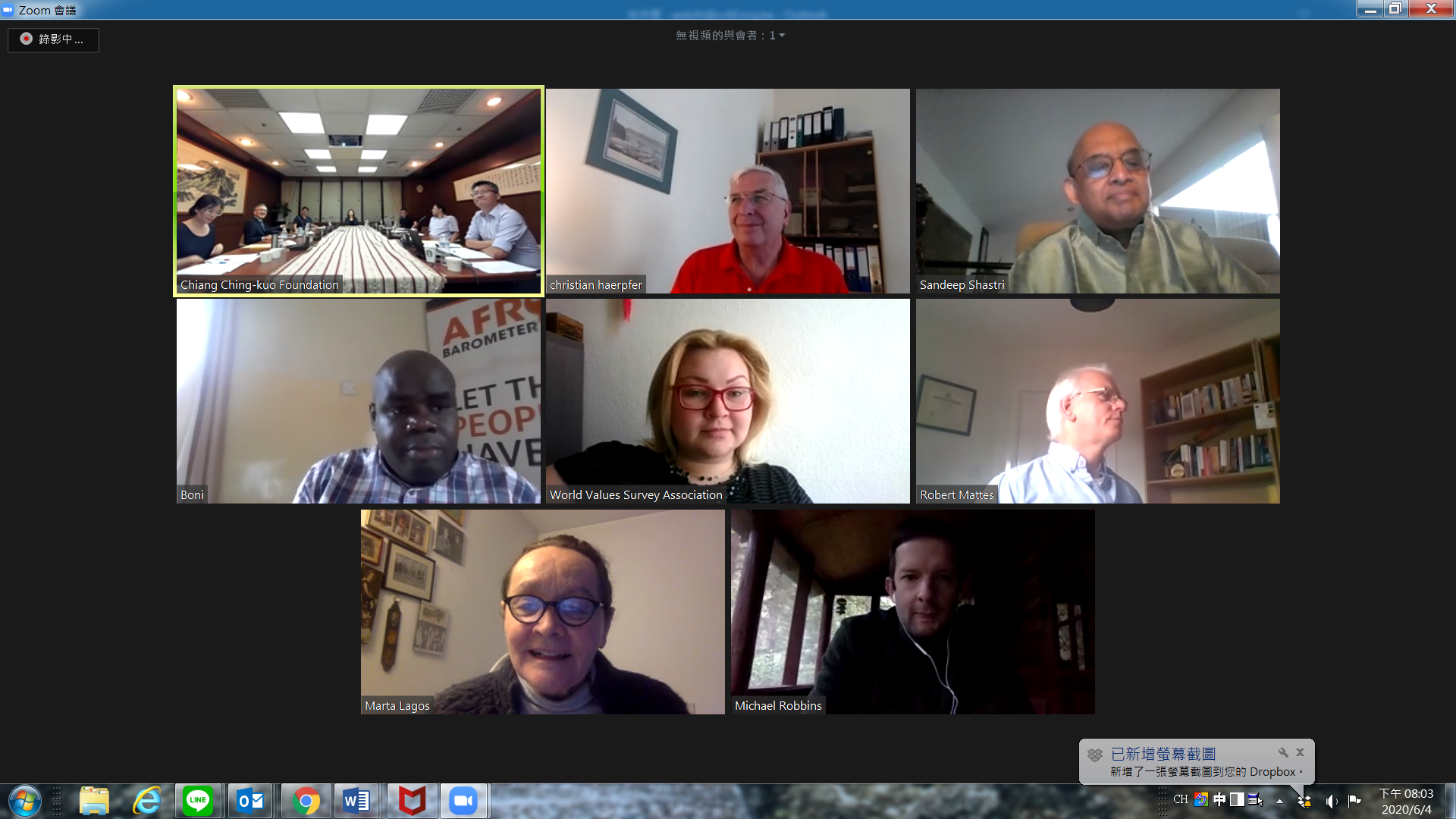
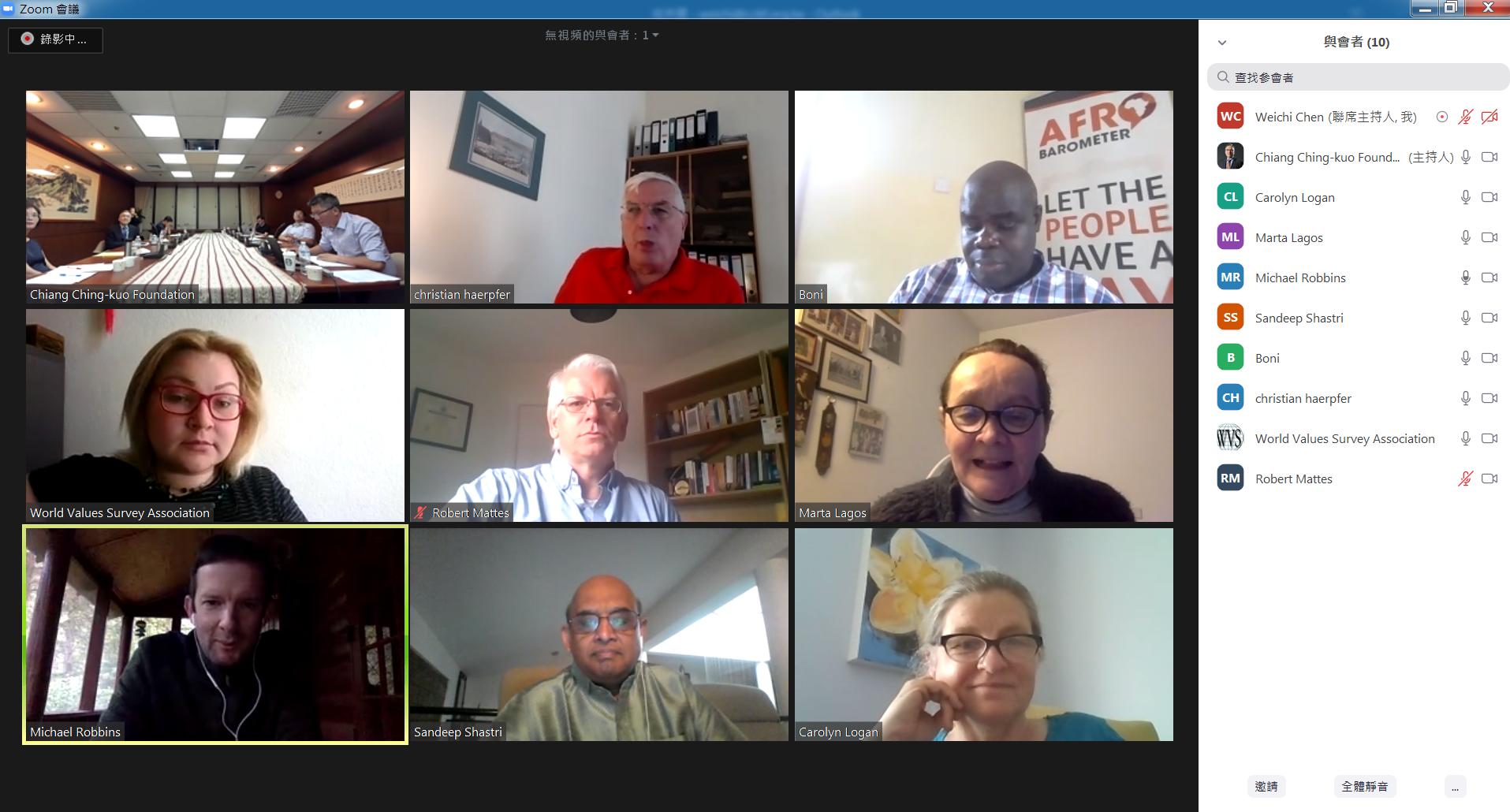
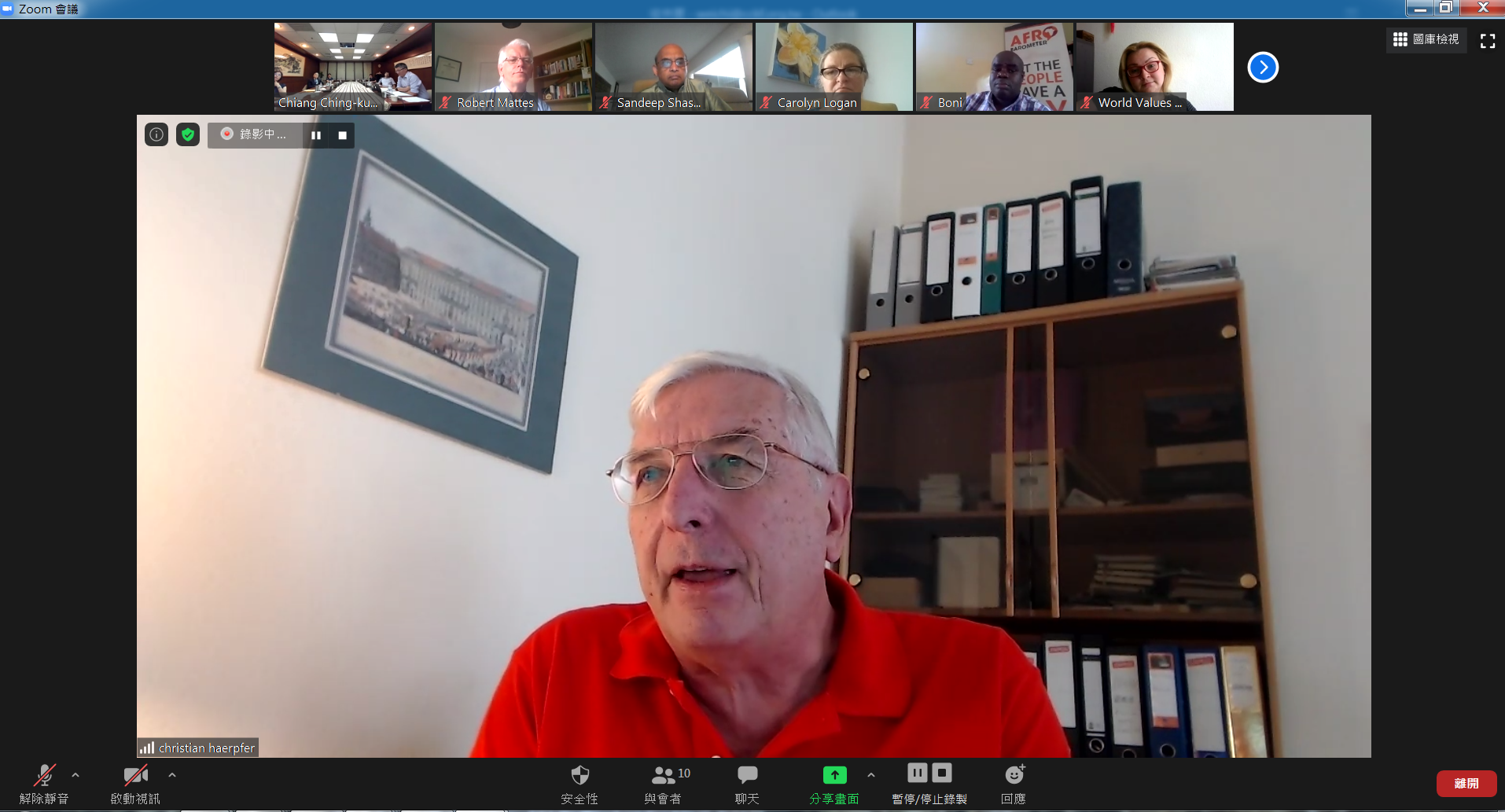
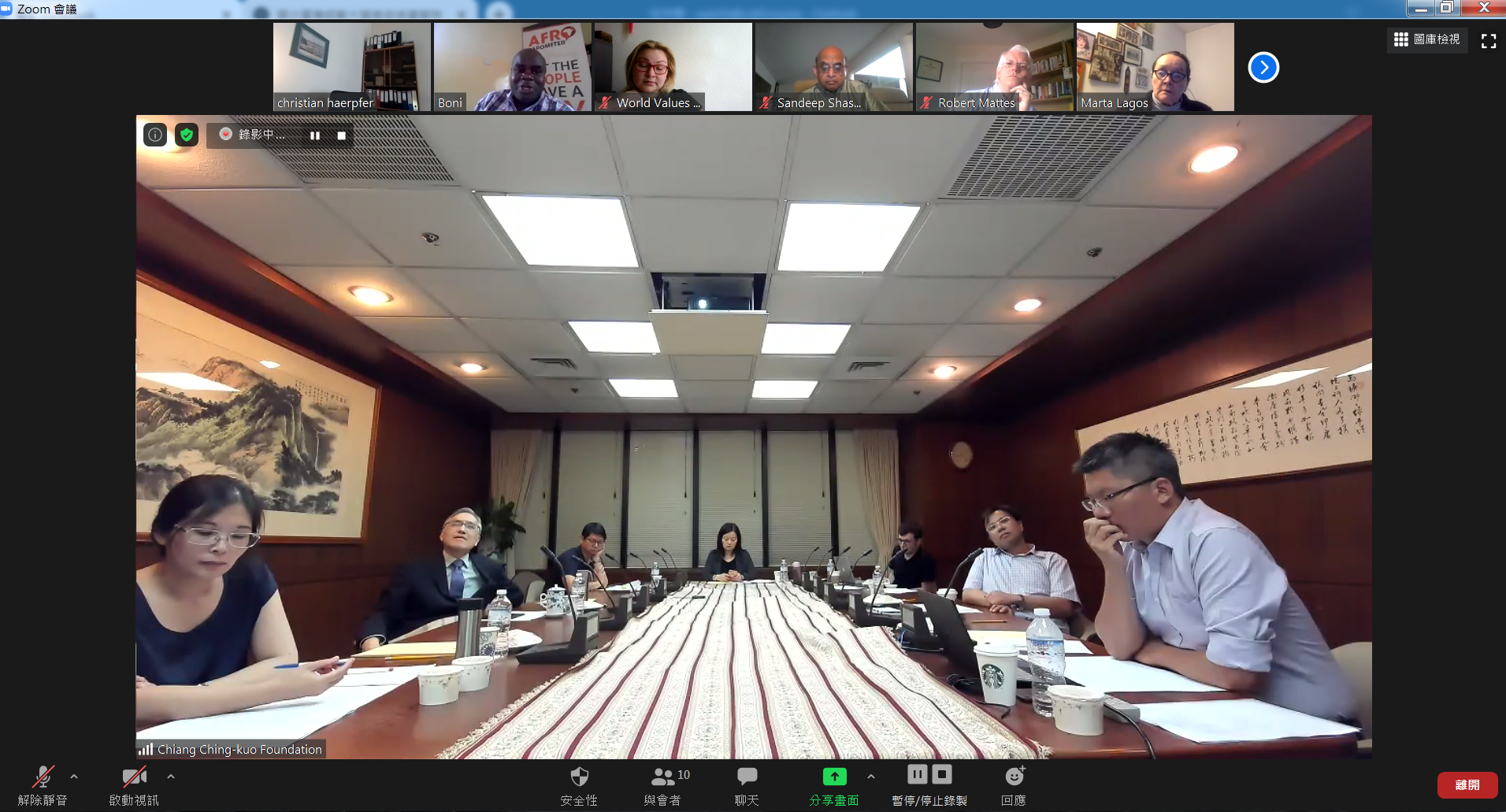
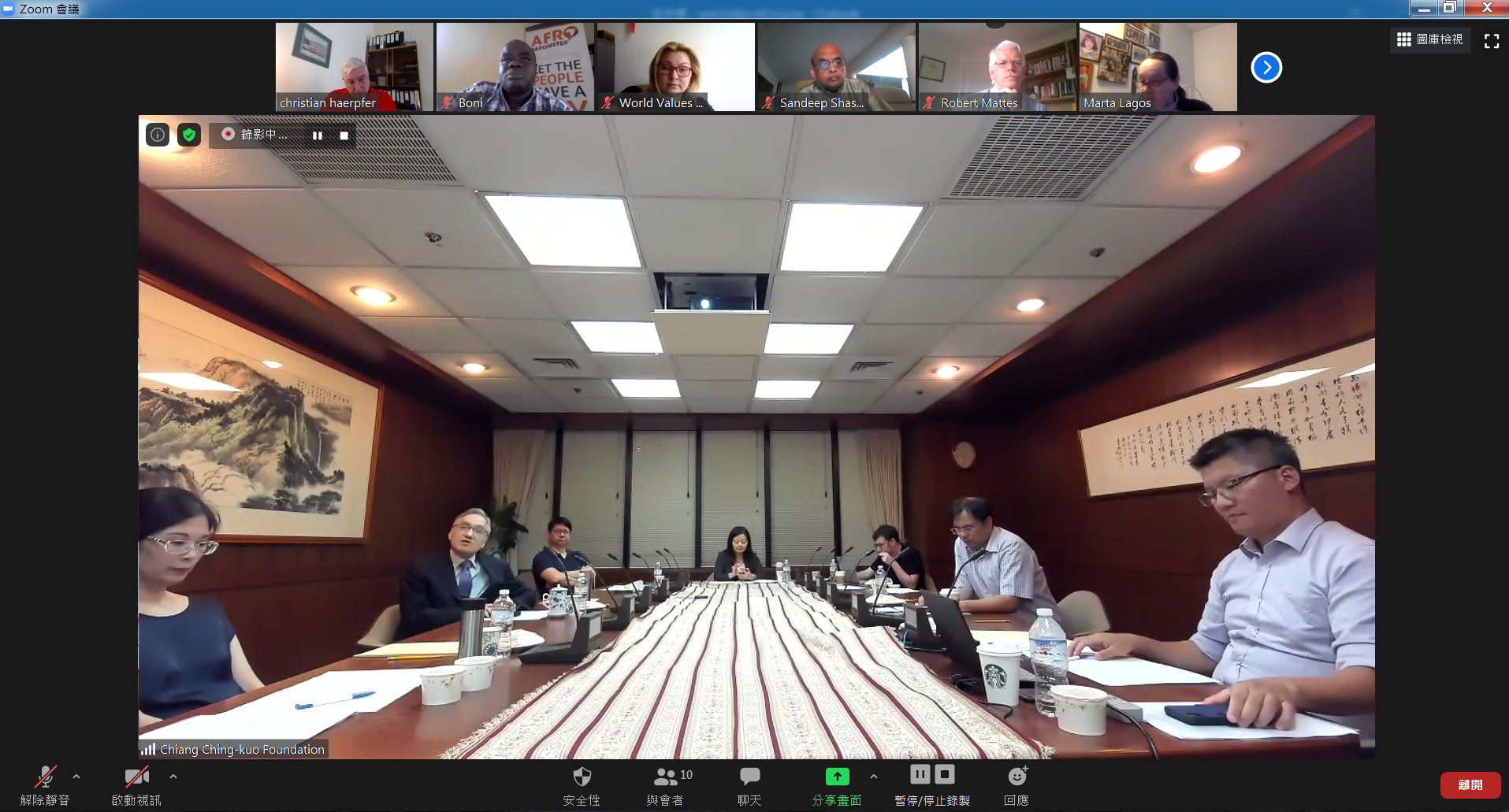
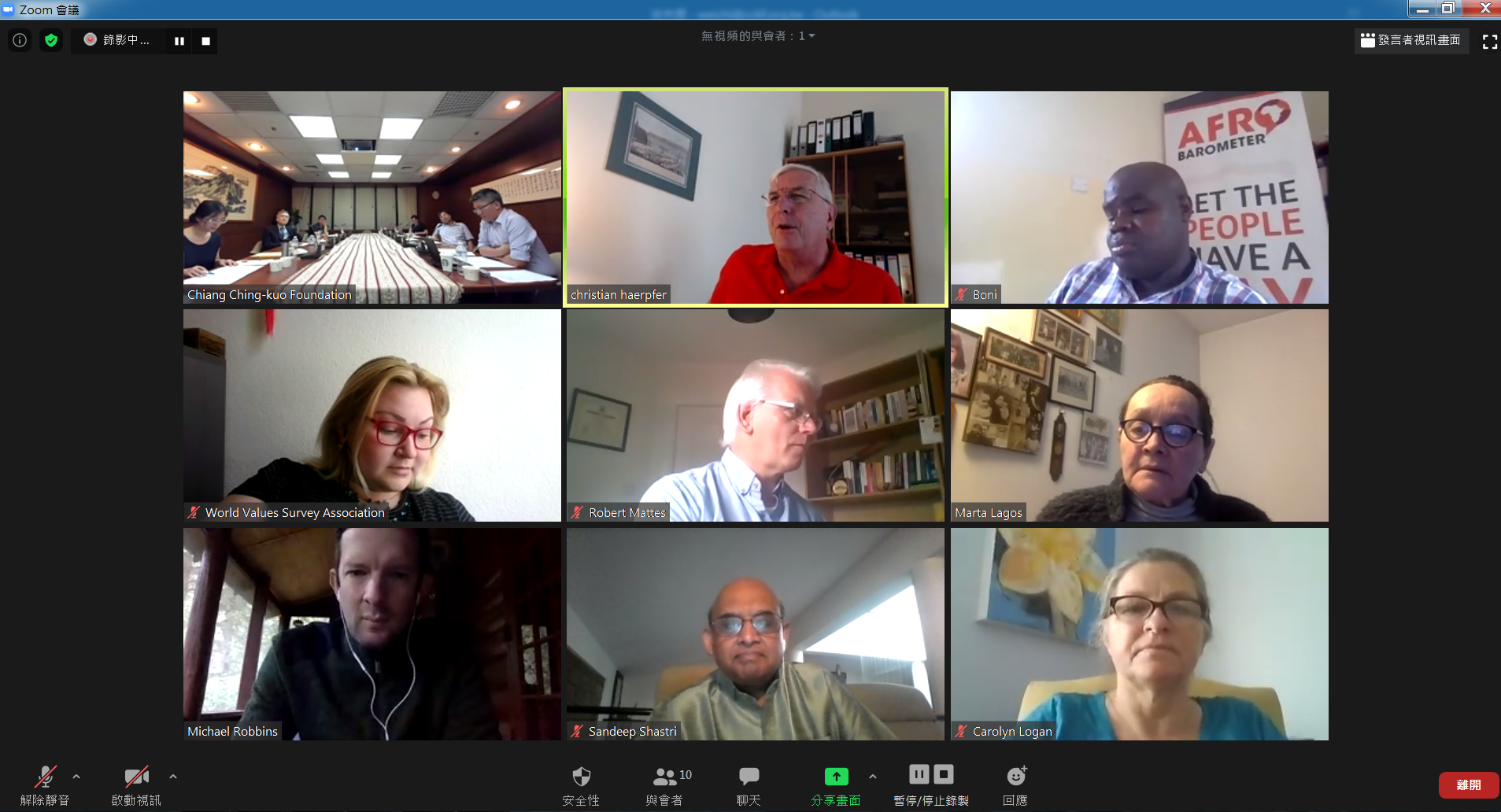
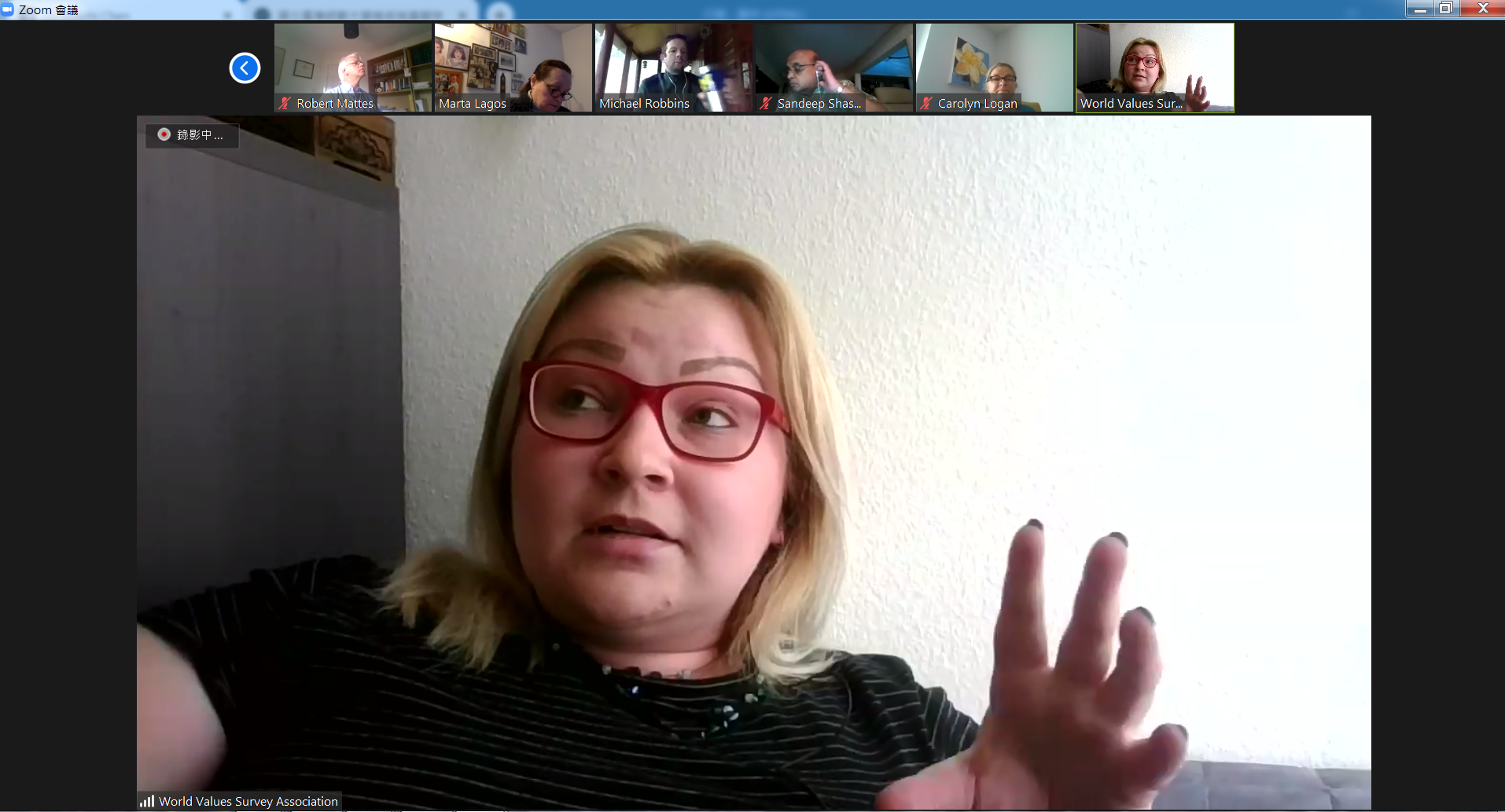
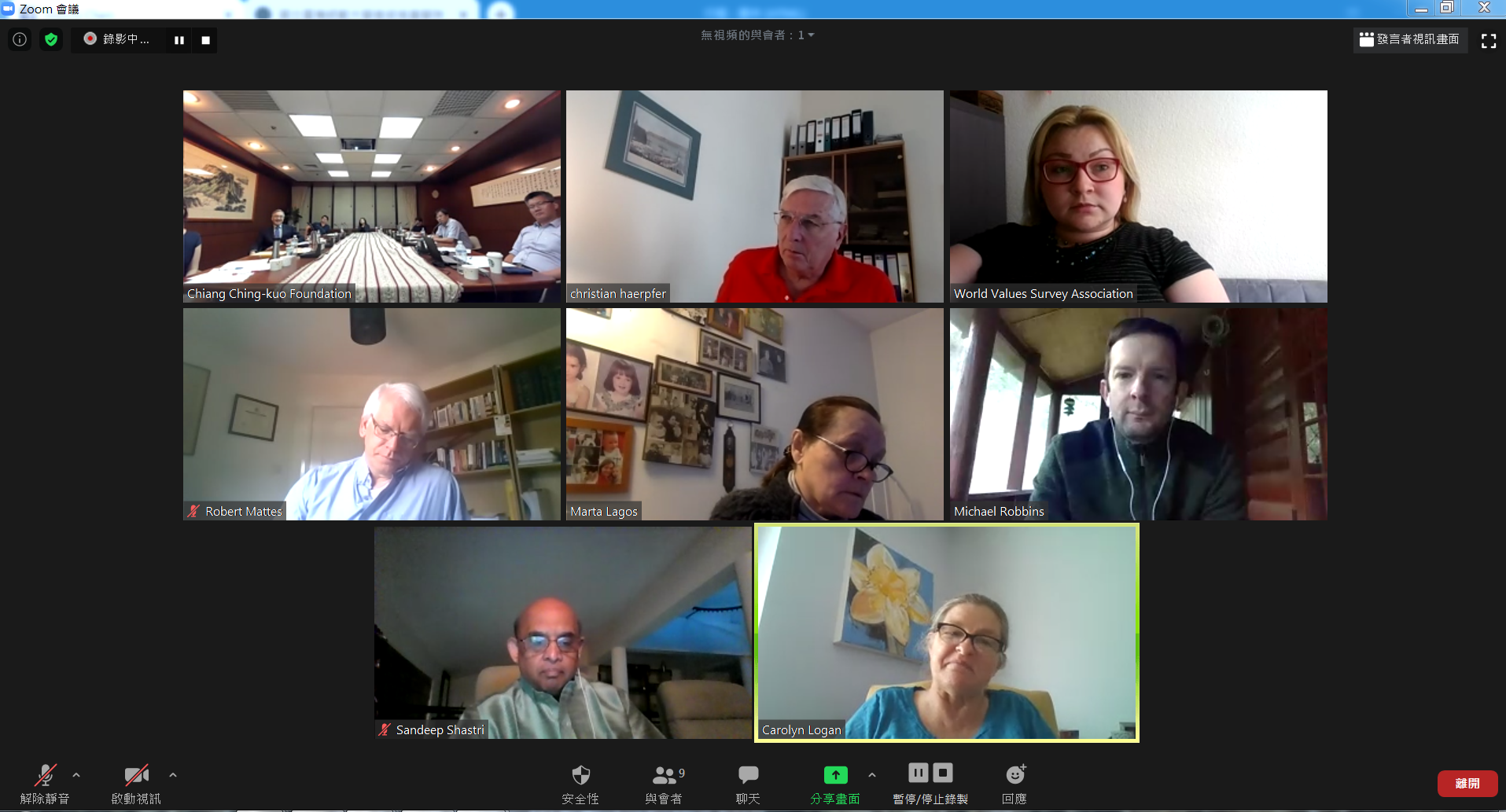
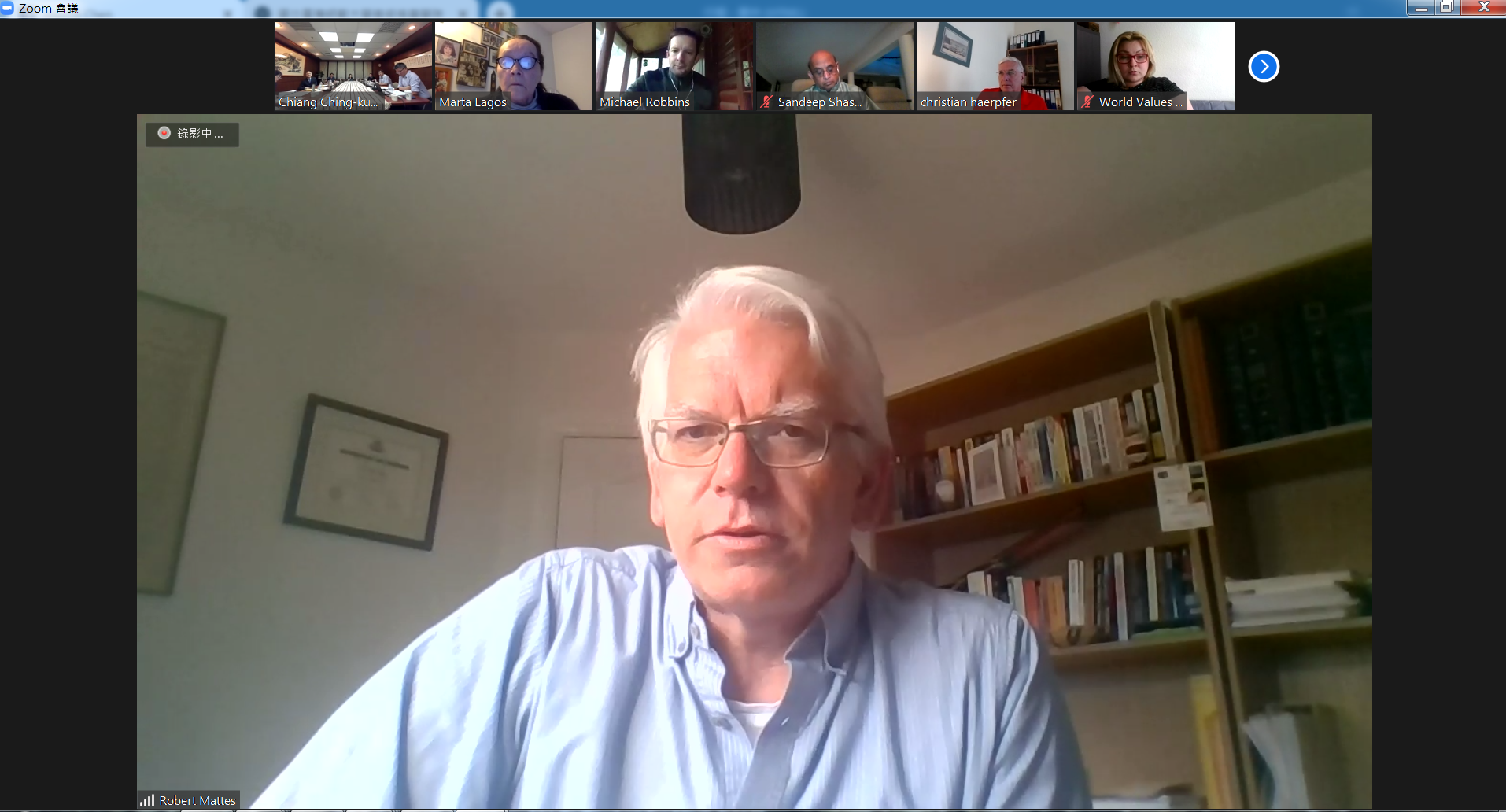
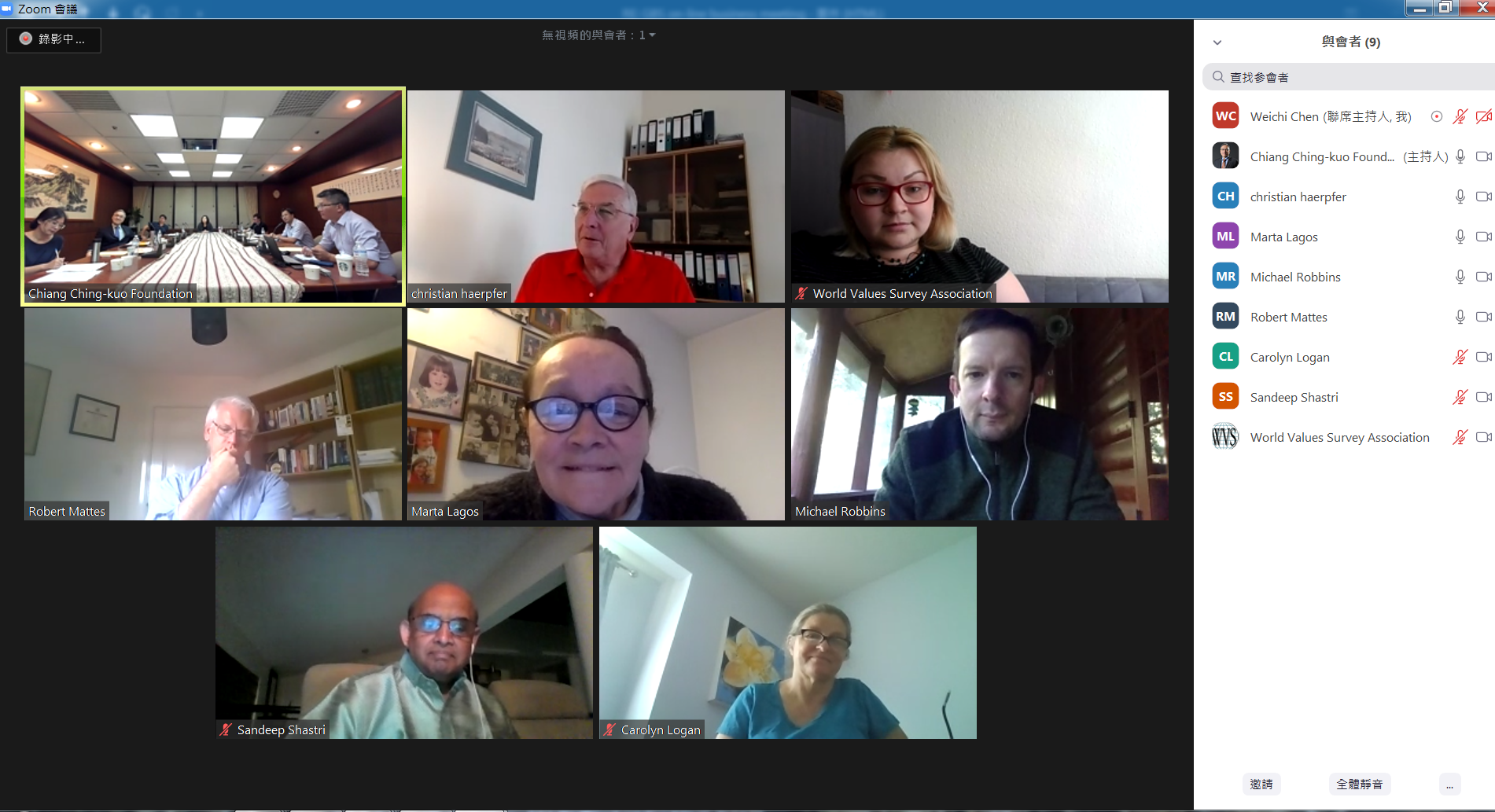
A Global Barometer Survey (GBS) Group Meeting was held online at June 4, 2020. The meeting discussed three main topics:1. The challenges and opportunities of Covid-19,2. Developing a GBS module on assessing the impact of Covid-19, and 3. Developing new survey strategies (sampling frame and modes of interview) to overcome lockdown and social distancing.
More pictures

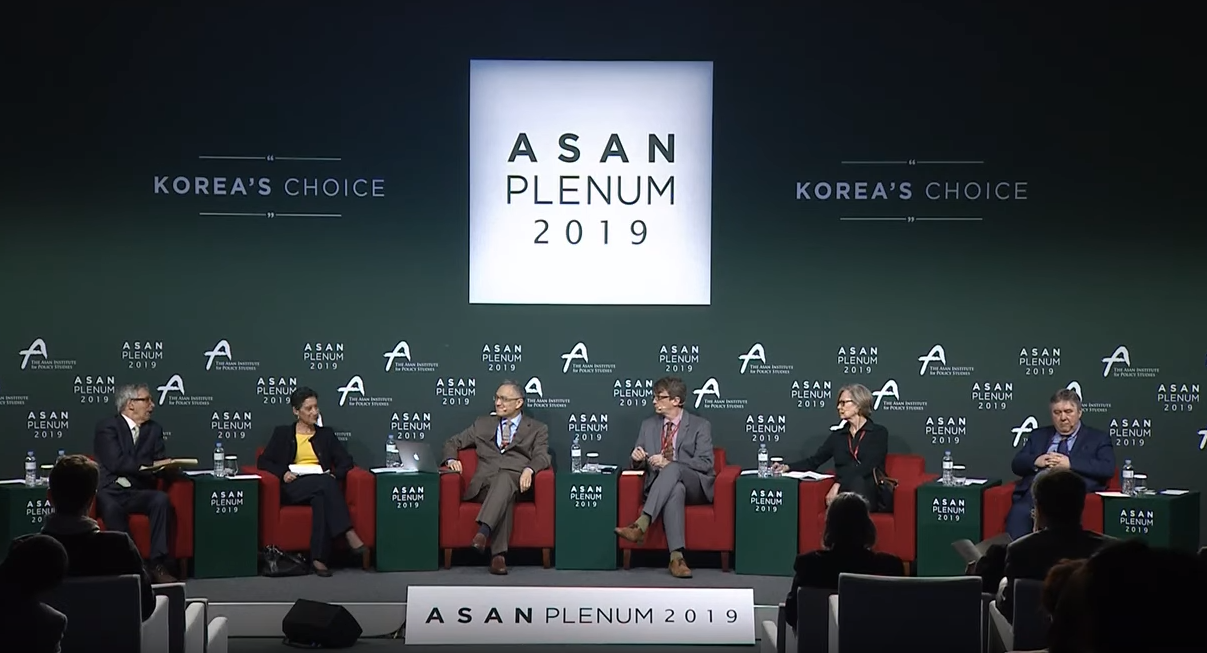
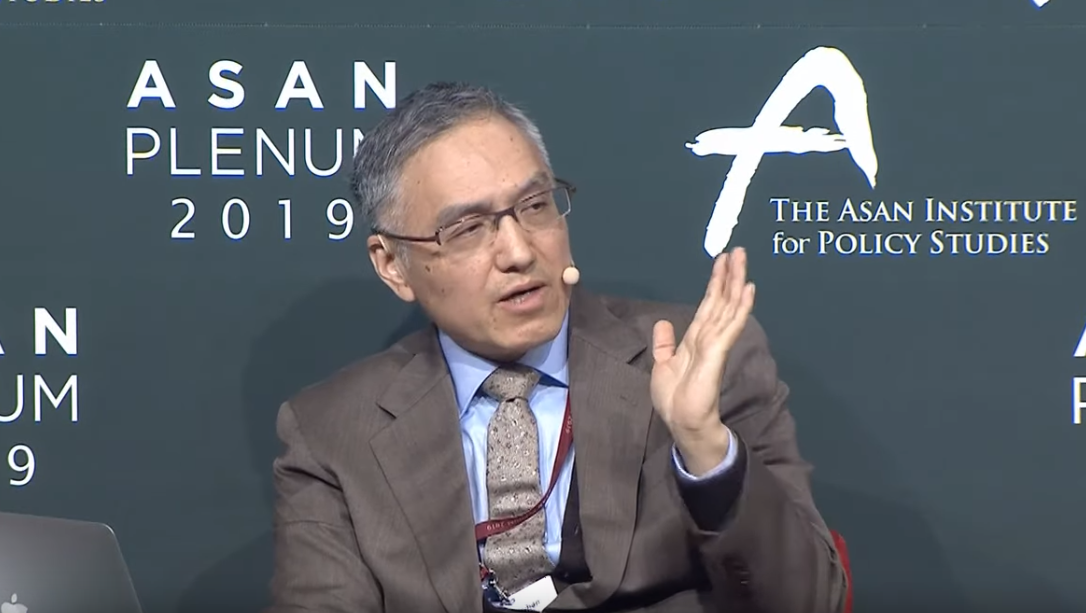
Professor Yun-han Chu, Principal Director of the Asian Barometer Survey participated in a panel discussion on the topic “Is Democracy in Crisis?” in Seoul on April 24 as part of the Asan Plenum 2019. The panel discussed the state of democracy around the globe in the face of the emergence of authoritarian strongmen in countries such as Turkey, Russia, and the Philippines, as well as the rise of populism in mature democracies, exemplified by the Brexit vote and Trump’s election in 2016. In his opening remarks, Professor Chu mentioned that Larry Diamond’s warning in 2007 that the world is now entering a global “democratic recession” has been proven true. Panelists engaged in a wide ranging discussion of causes of the current democratic malaise and potential ways out of it. The full panel discussion can be viewed here.
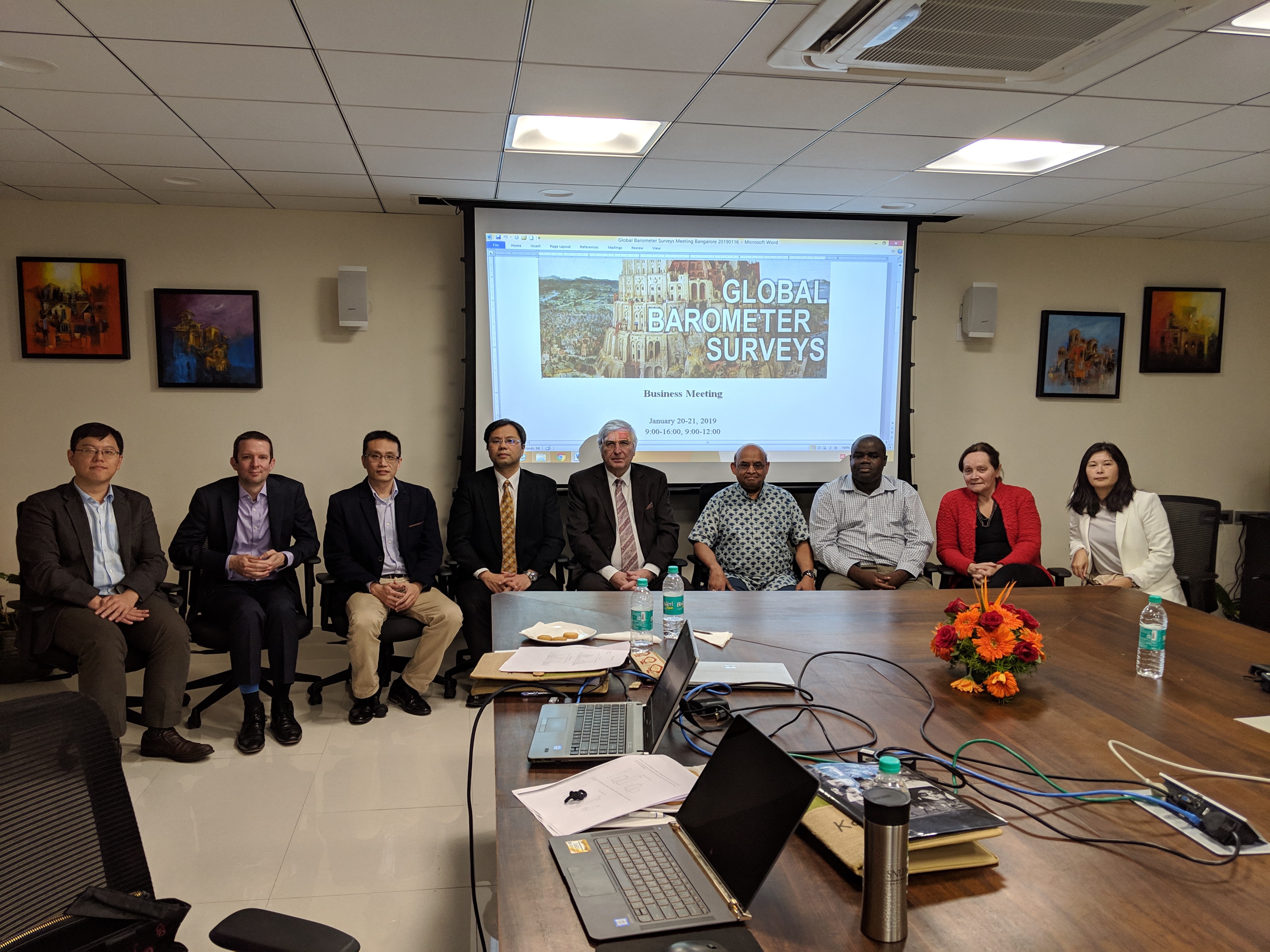
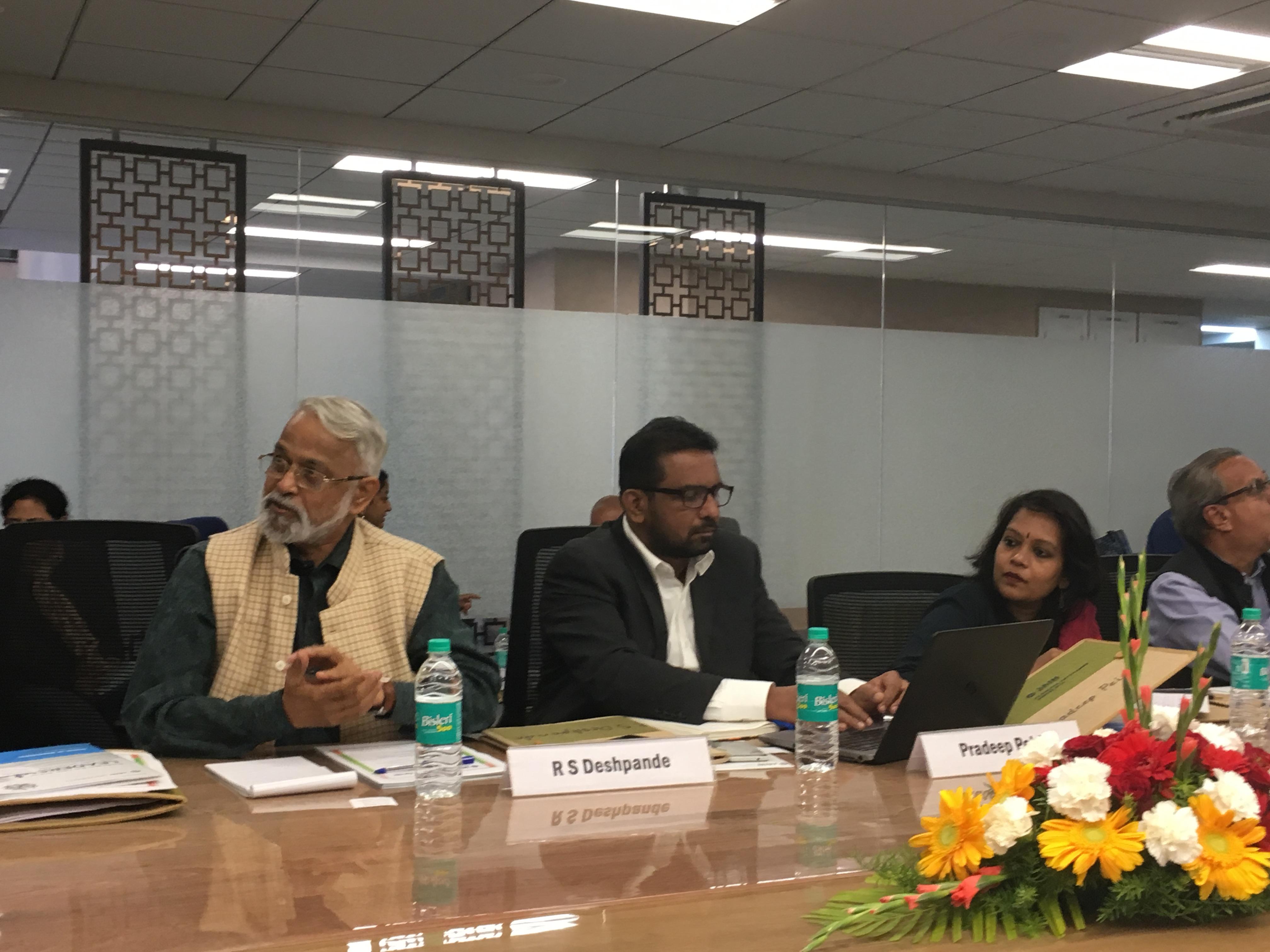
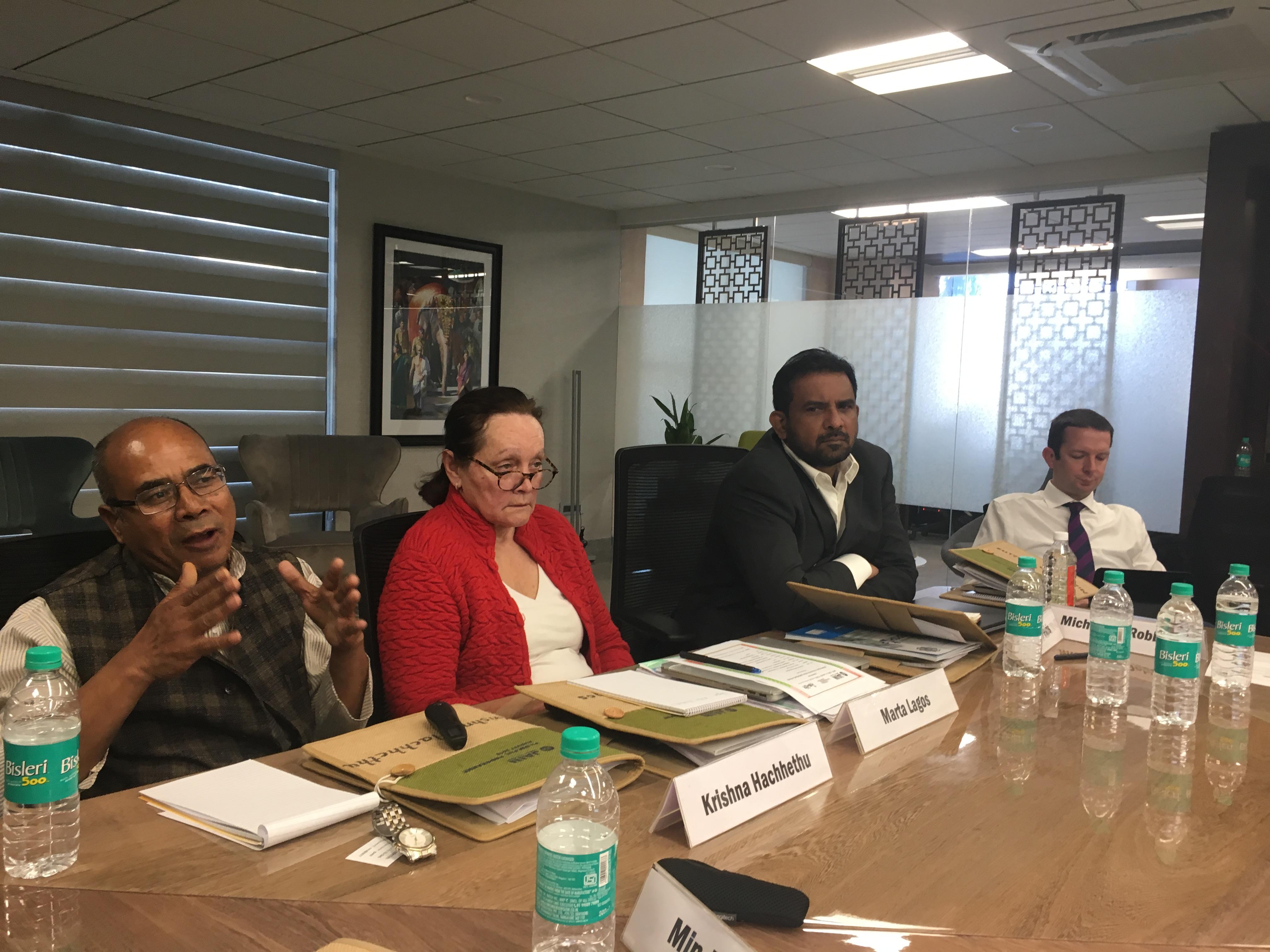
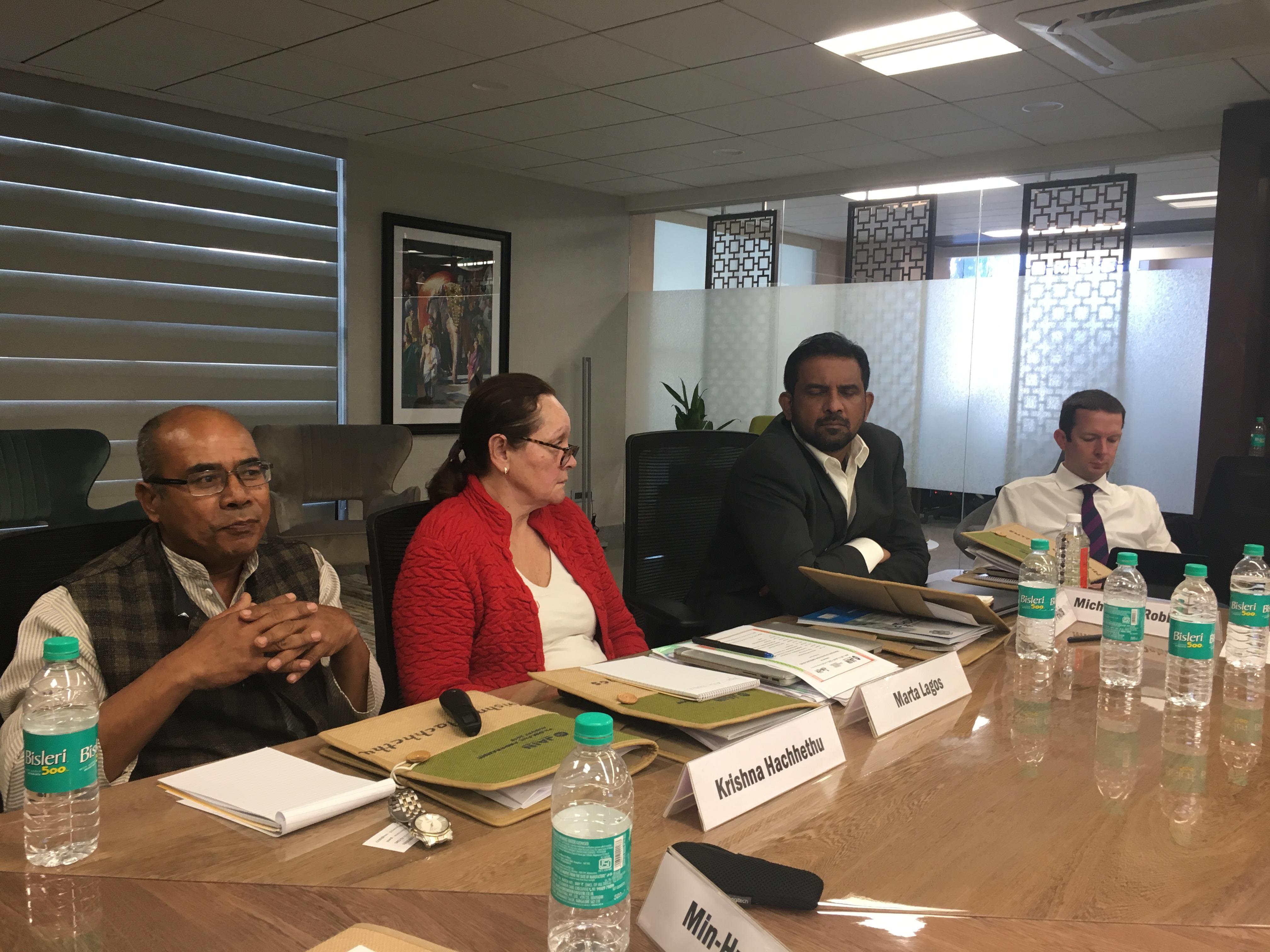
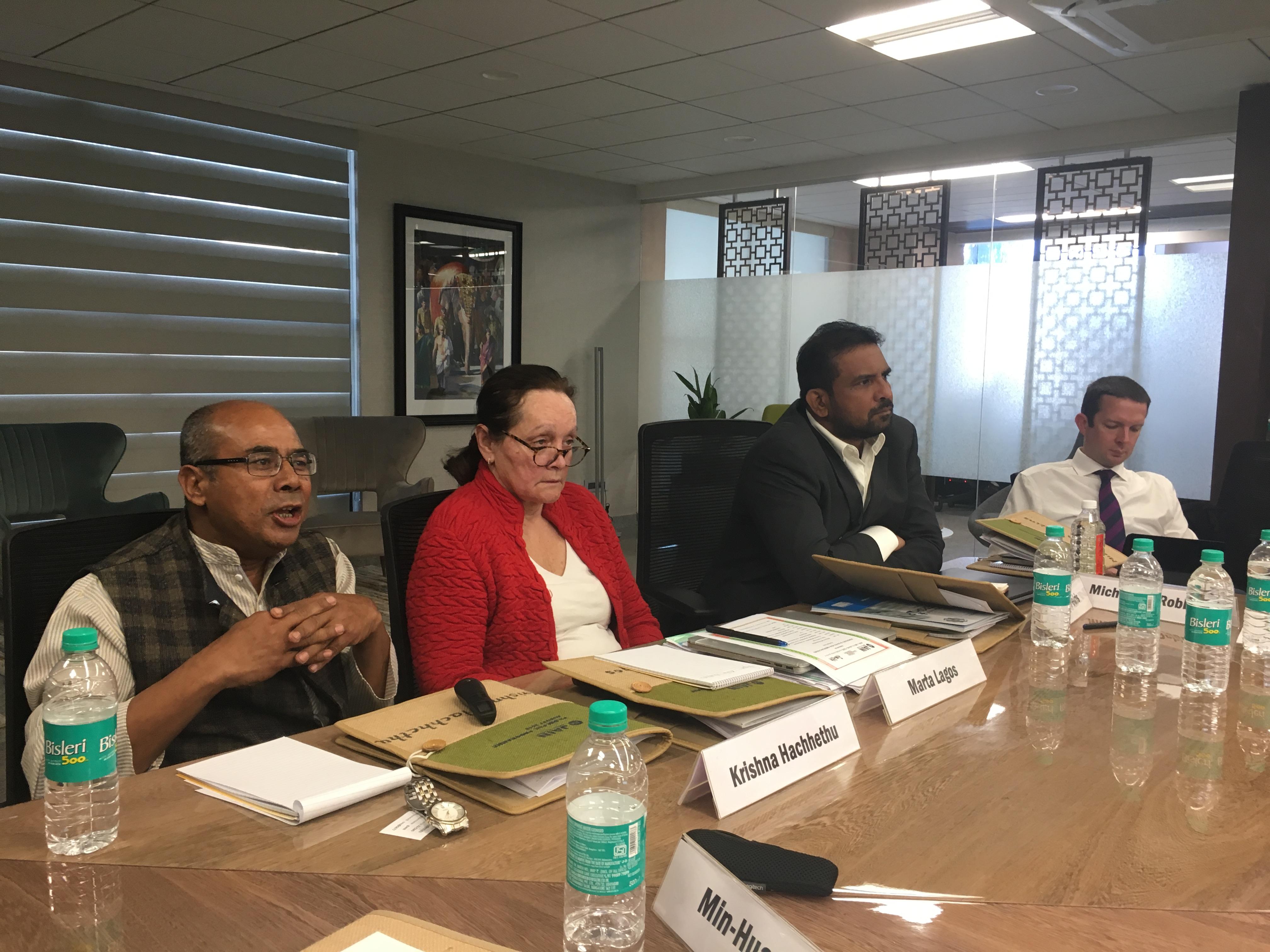
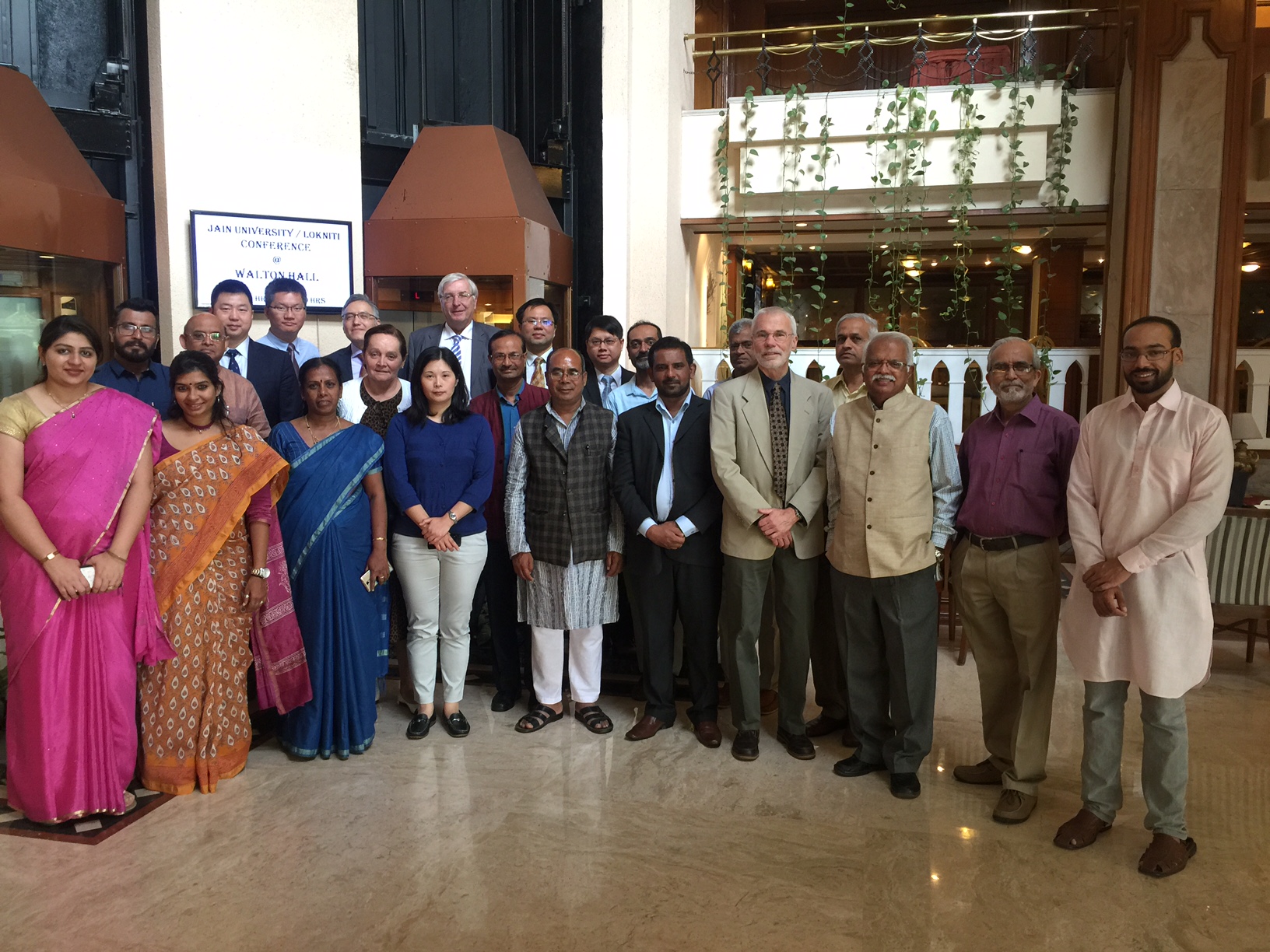
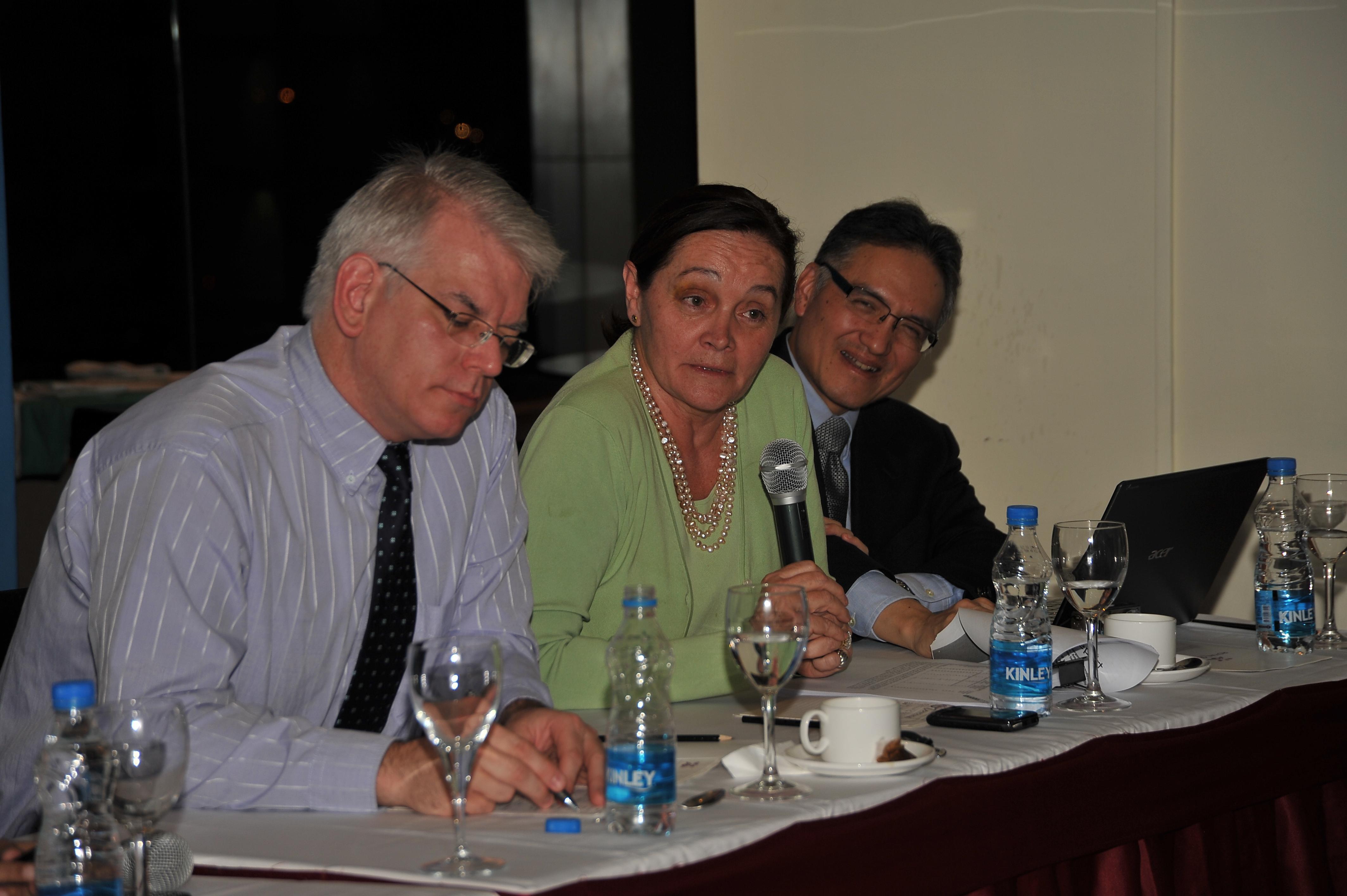
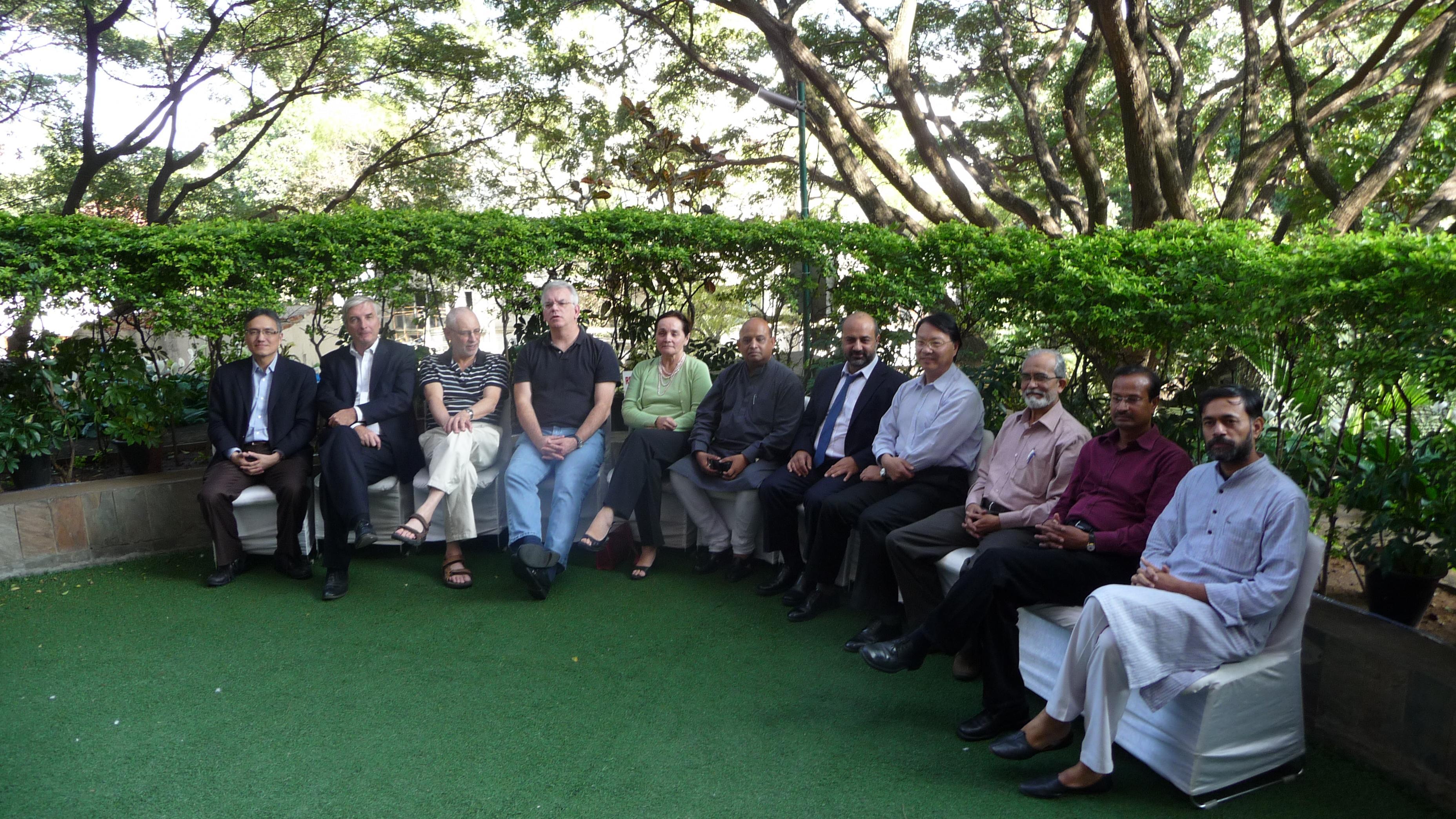
A Global Barometer Survey (GBS) Group Meeting was held in Bangalore between January 19-21, 2019. The meeting finalized the common questionnaire for Wave 3 of the GBS and discussed progress on Wave 3 of the South Asian Barometer Survey. Participants also discussed plans for a new report highlighting the main findings of the GBS.
More Pictures
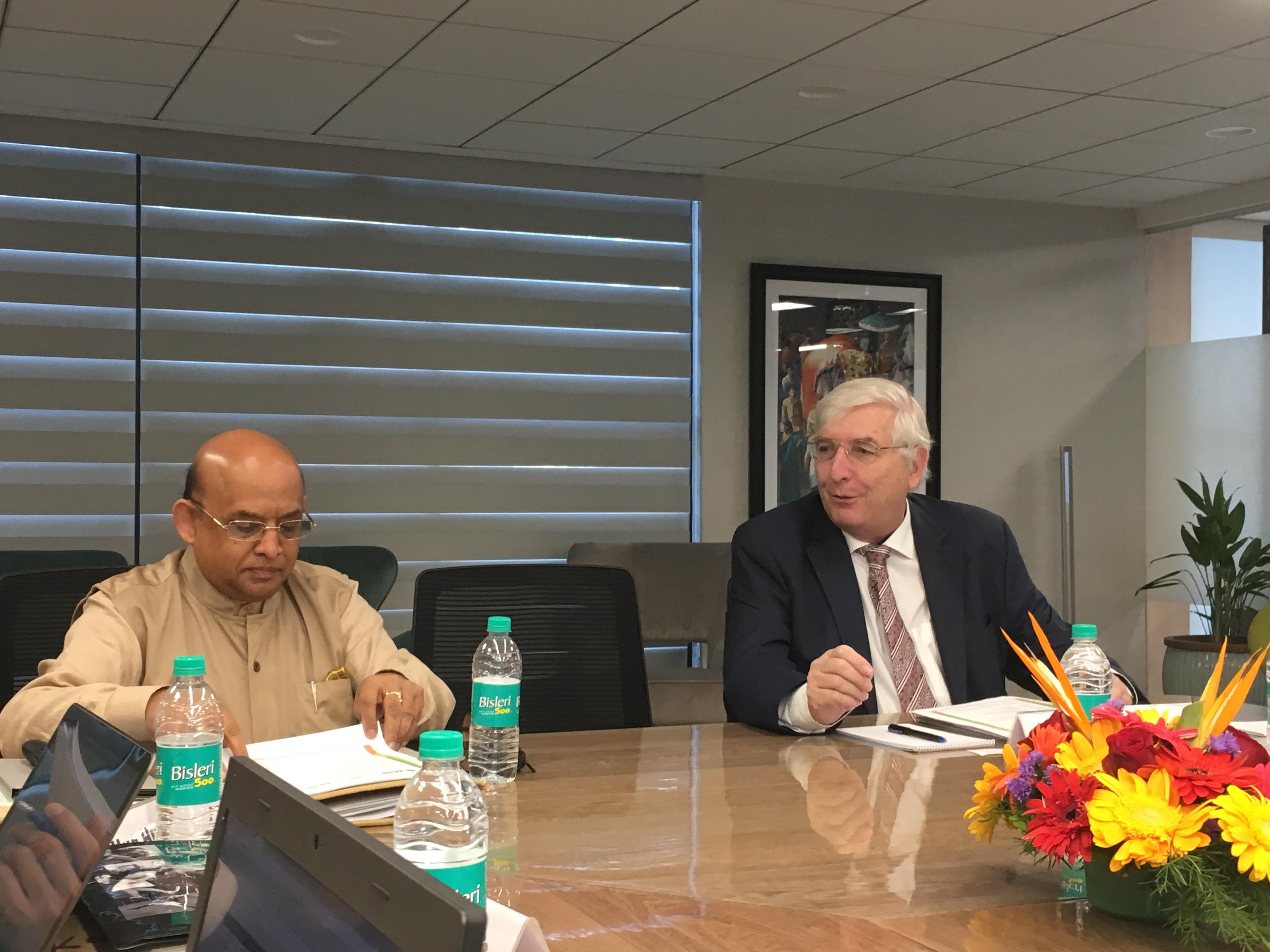
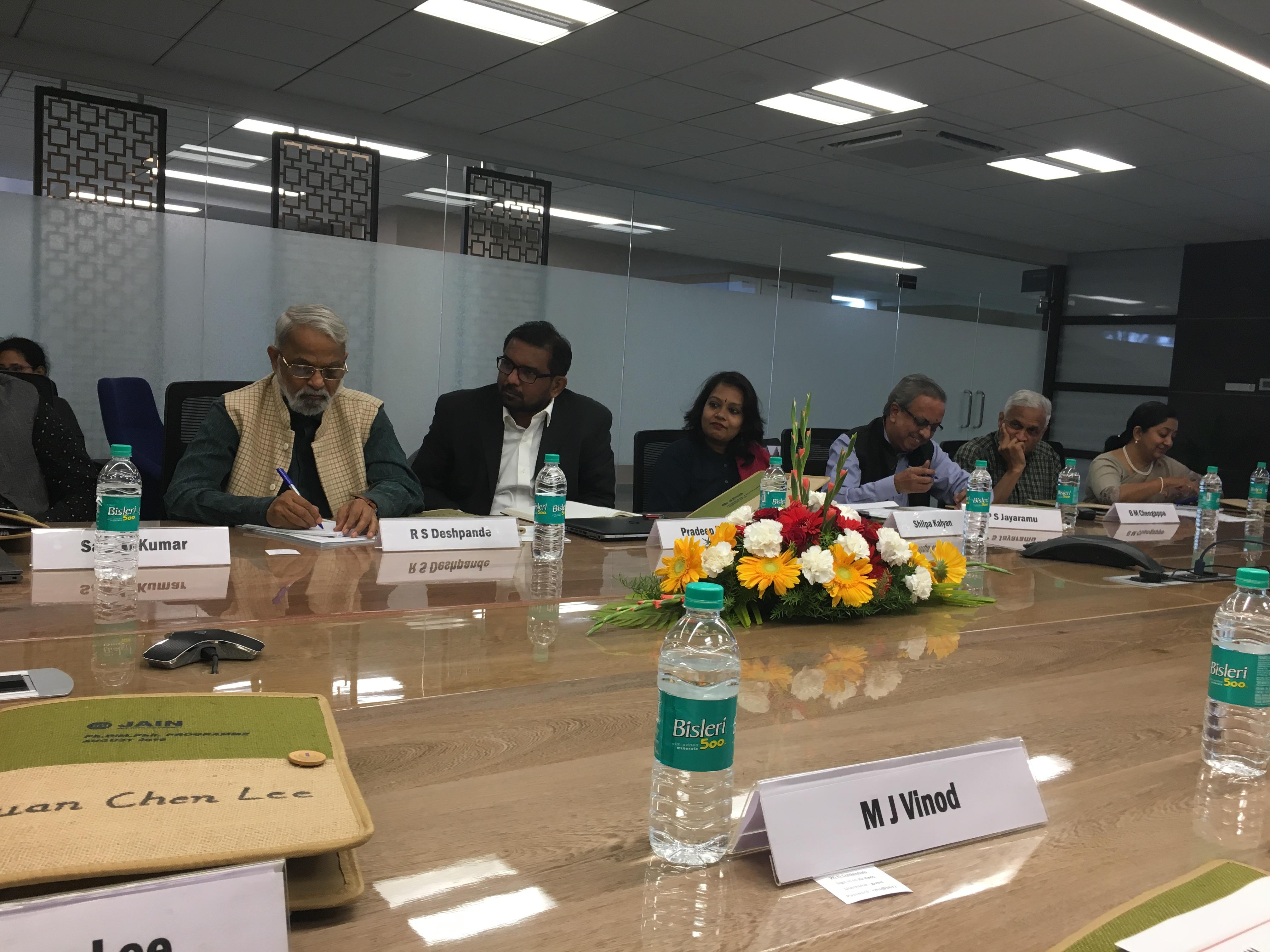
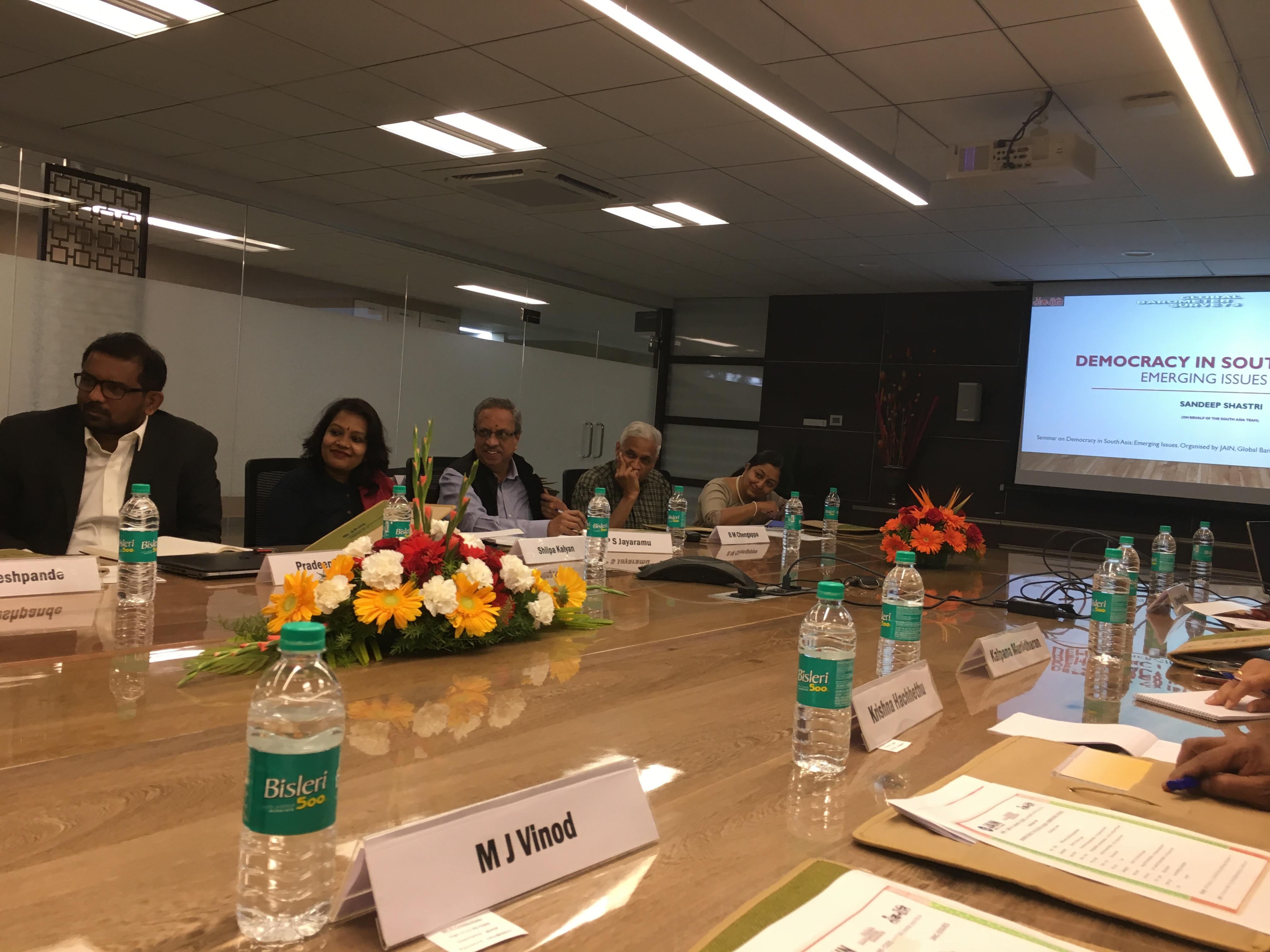
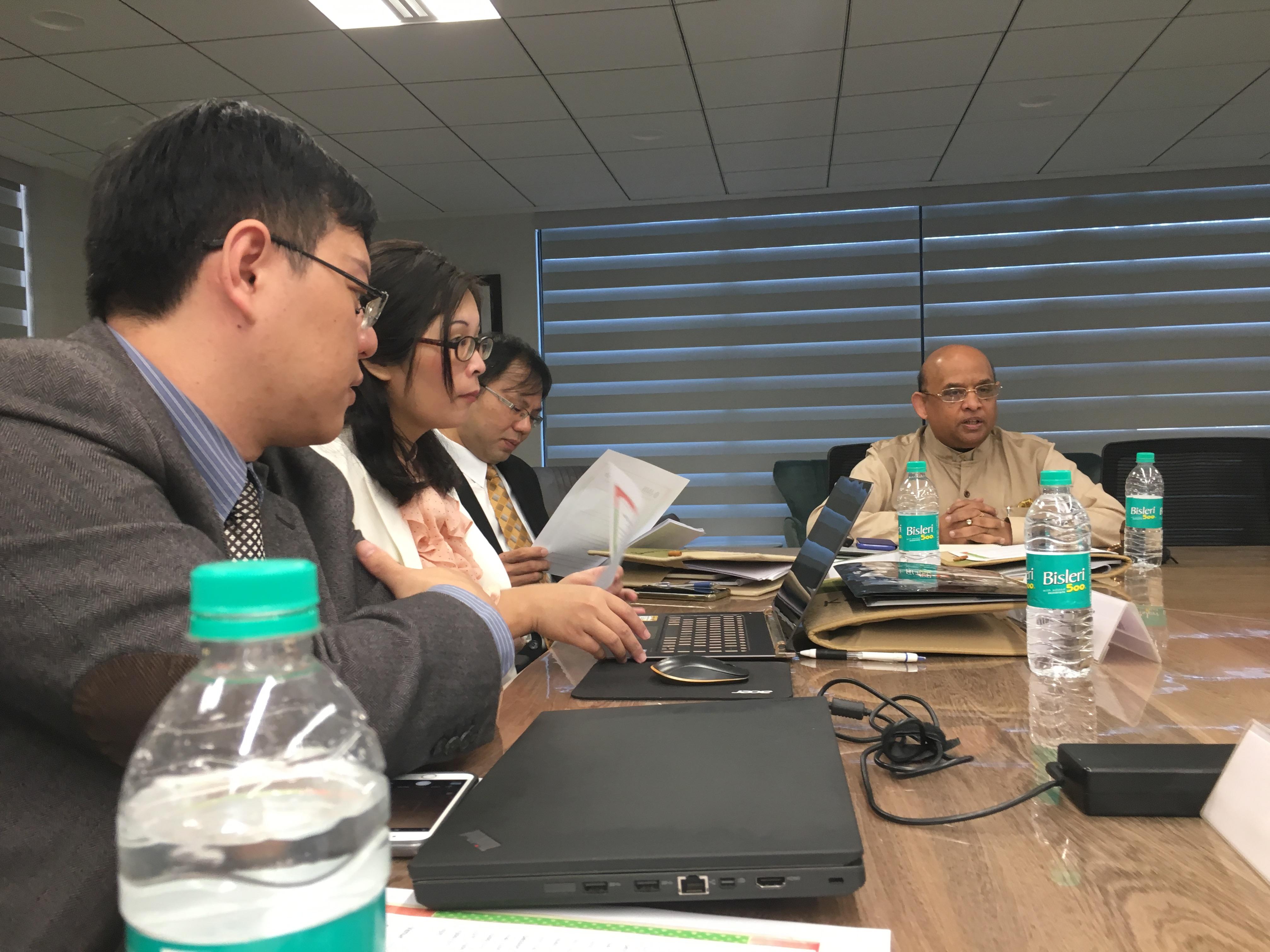
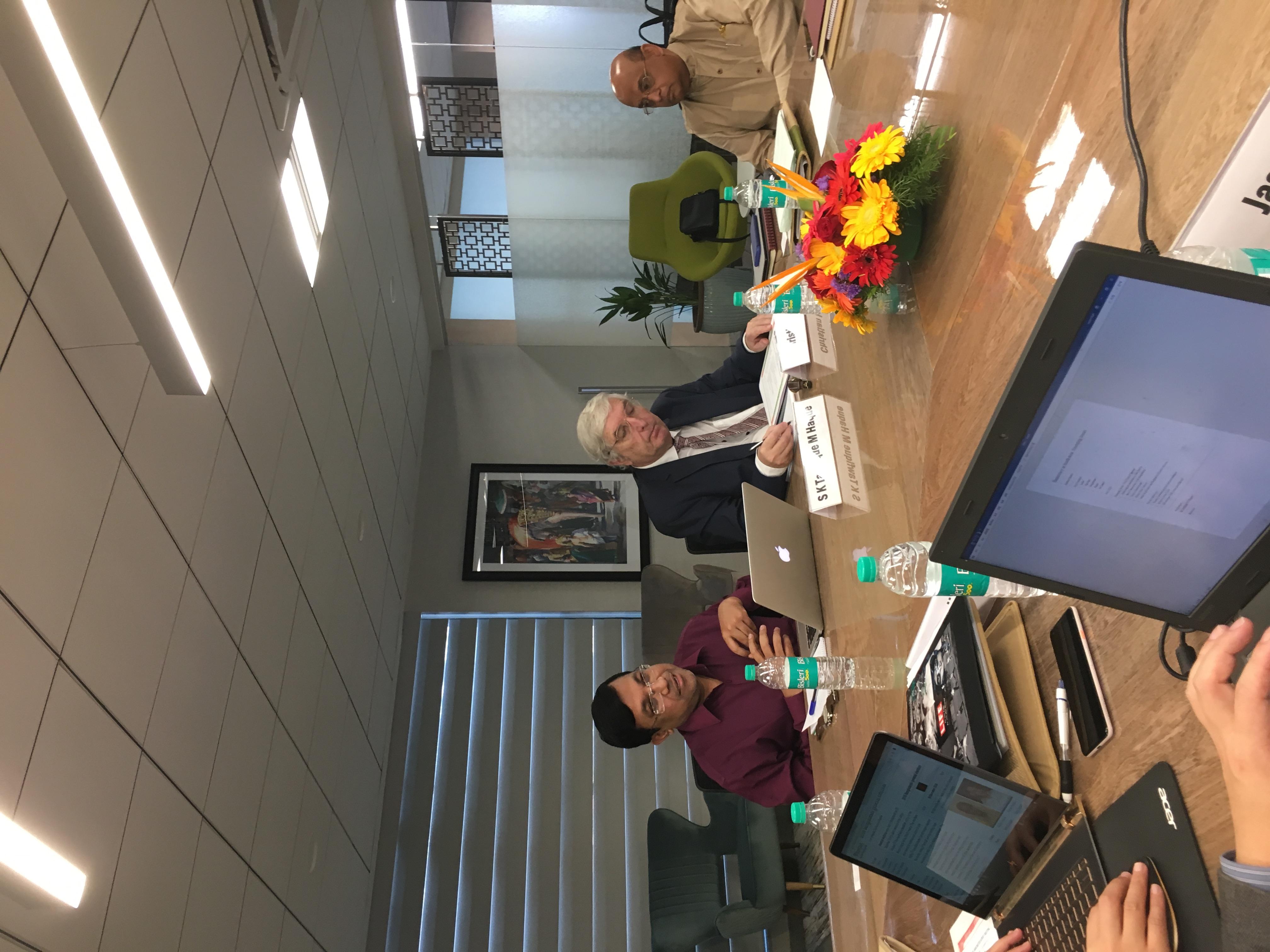
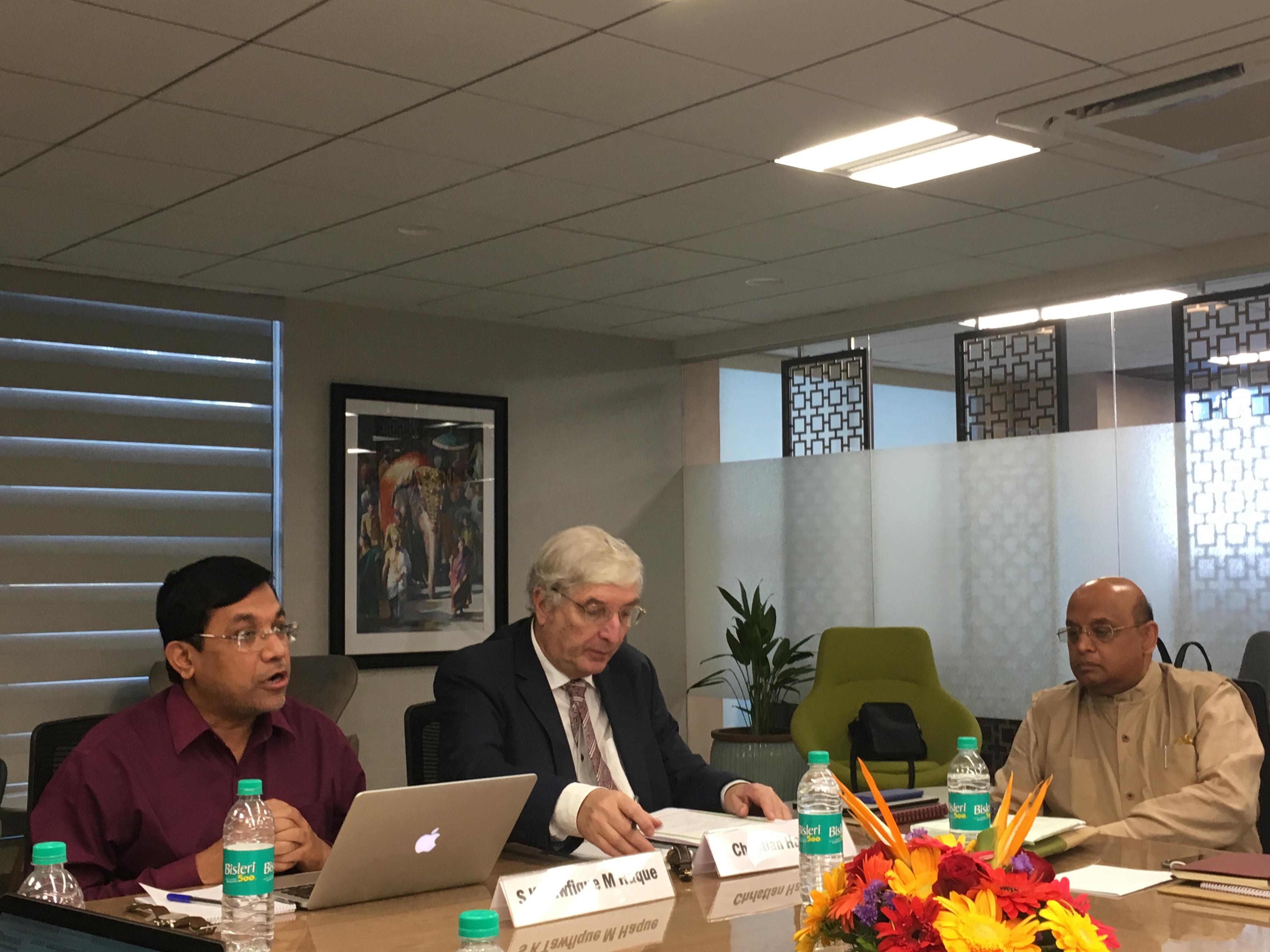
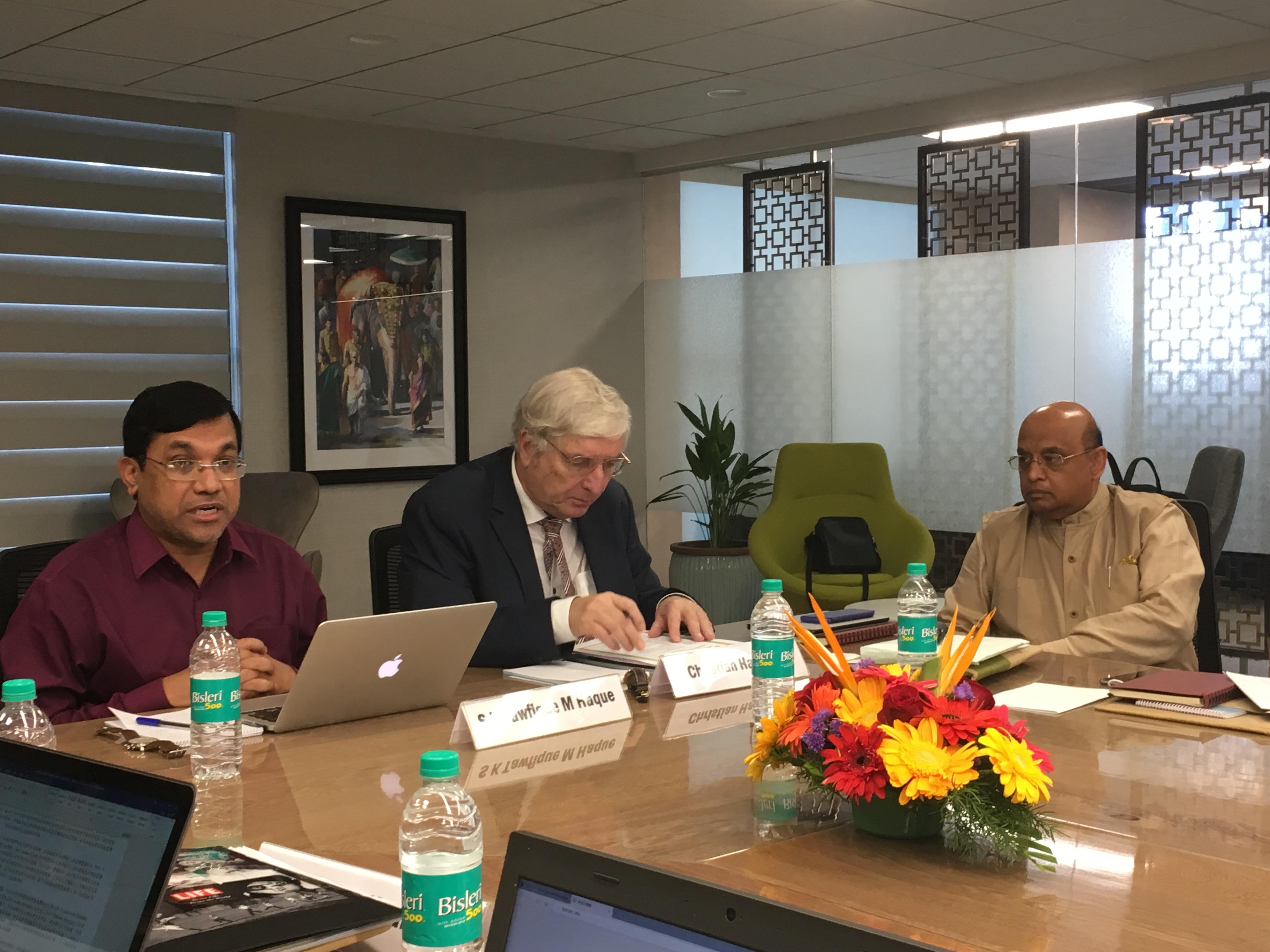
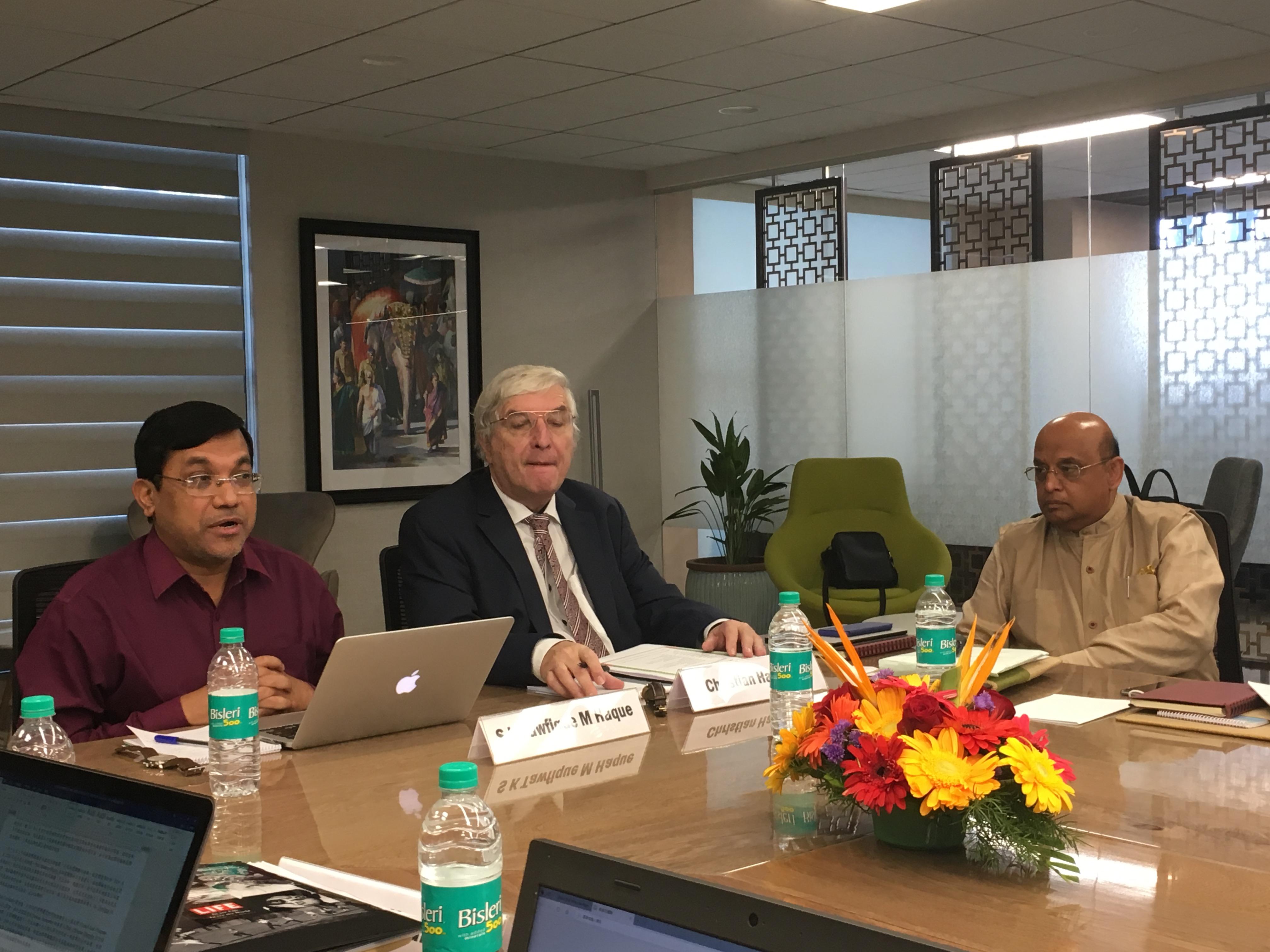
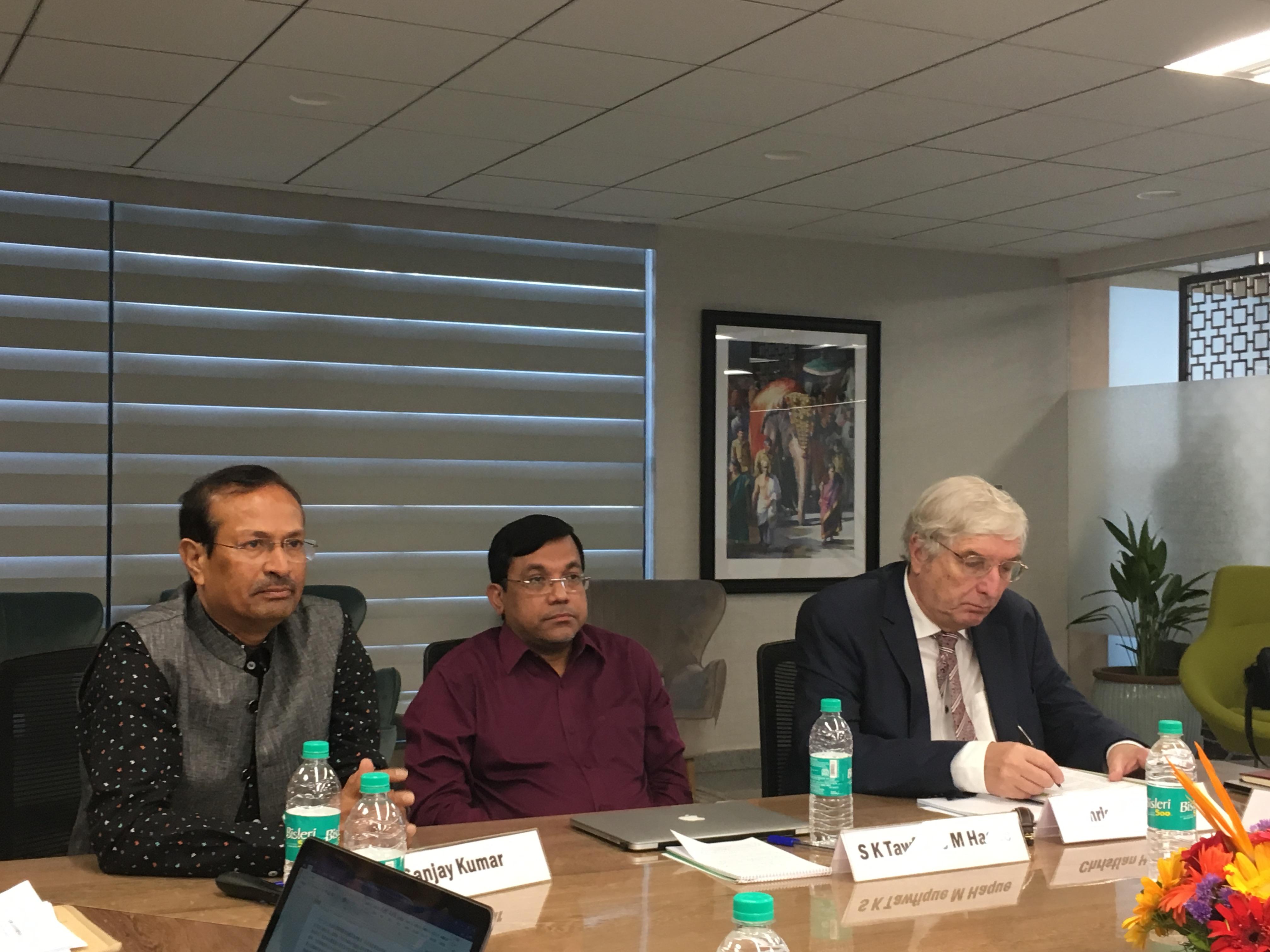
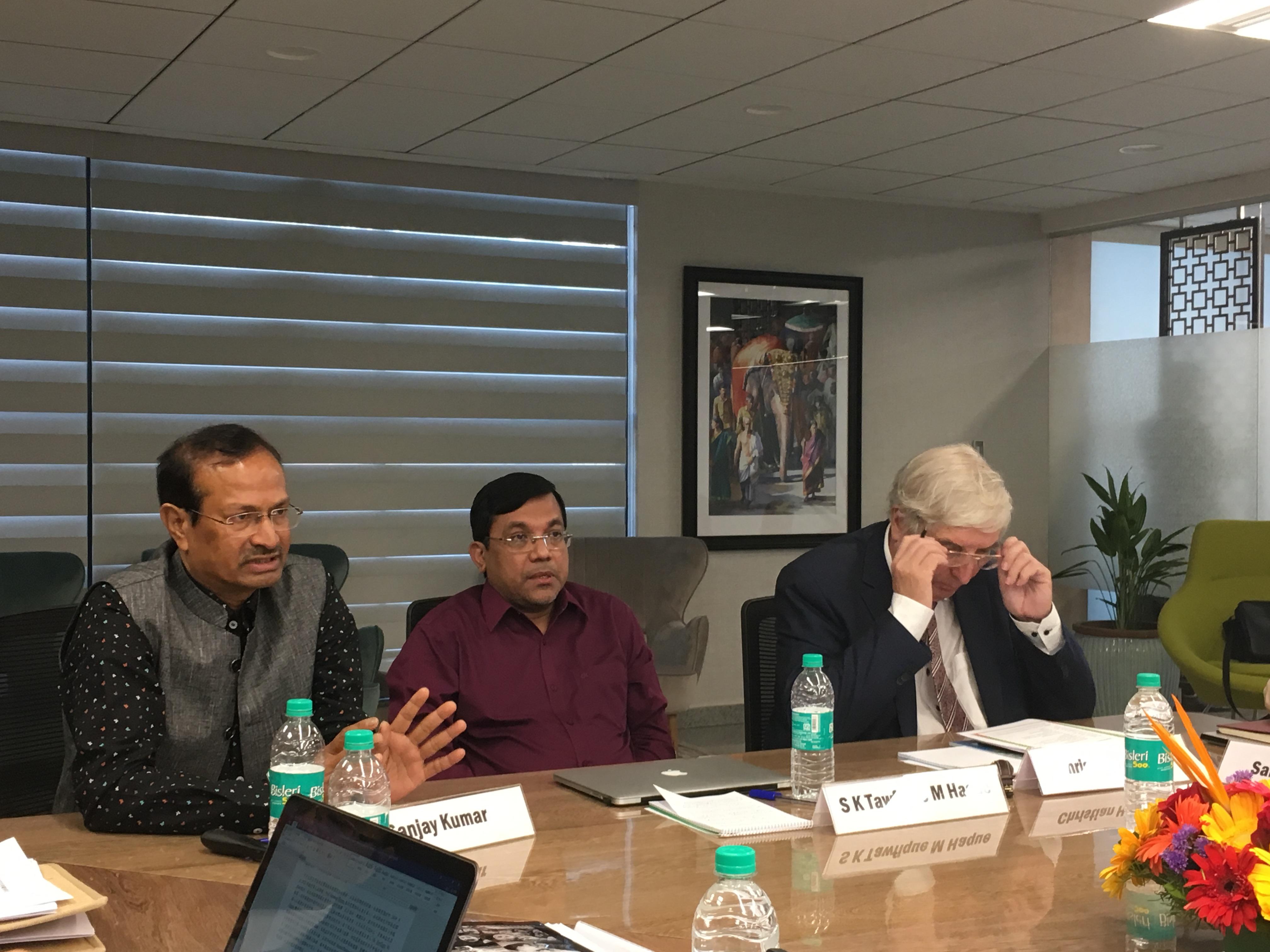
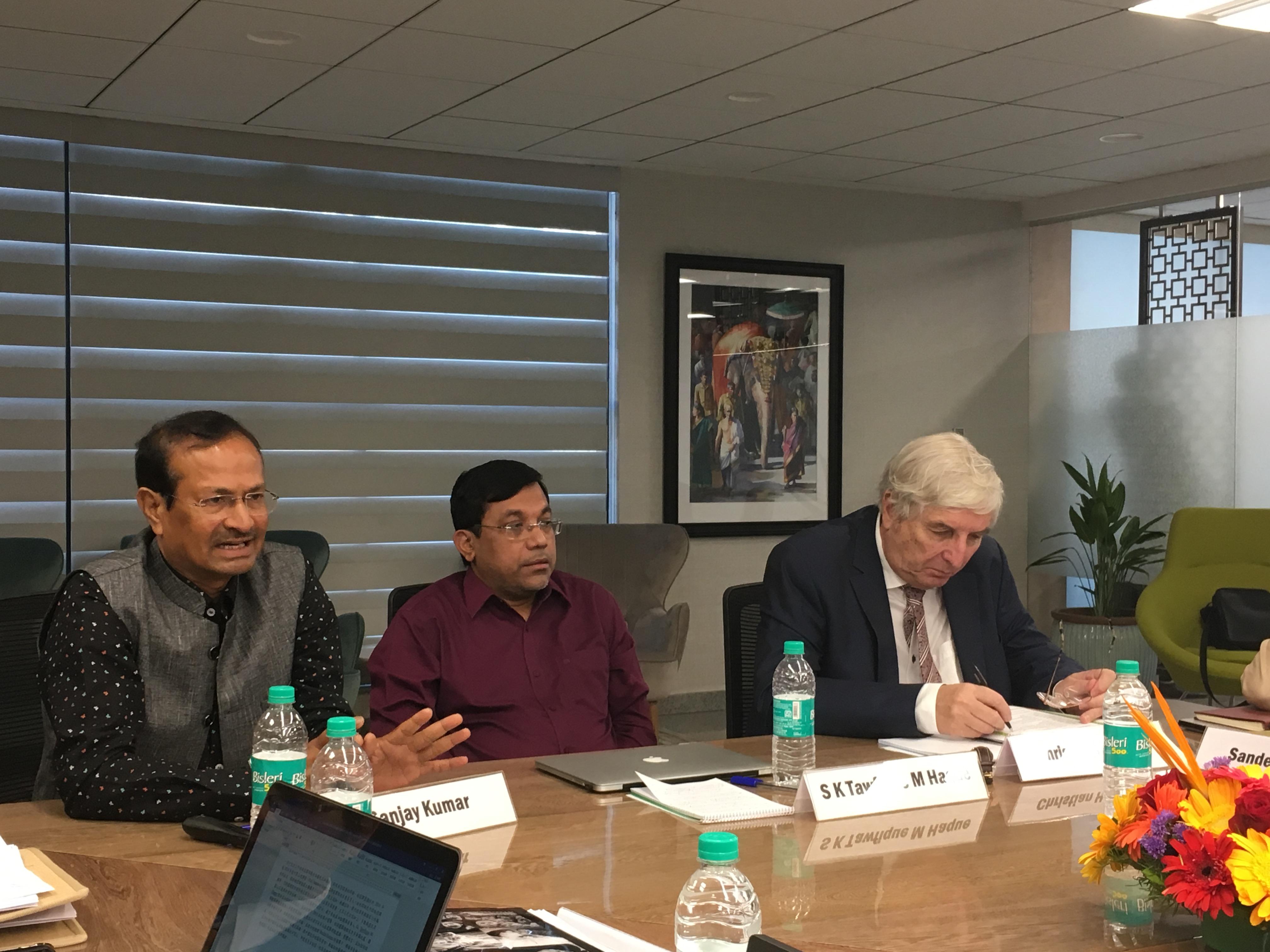
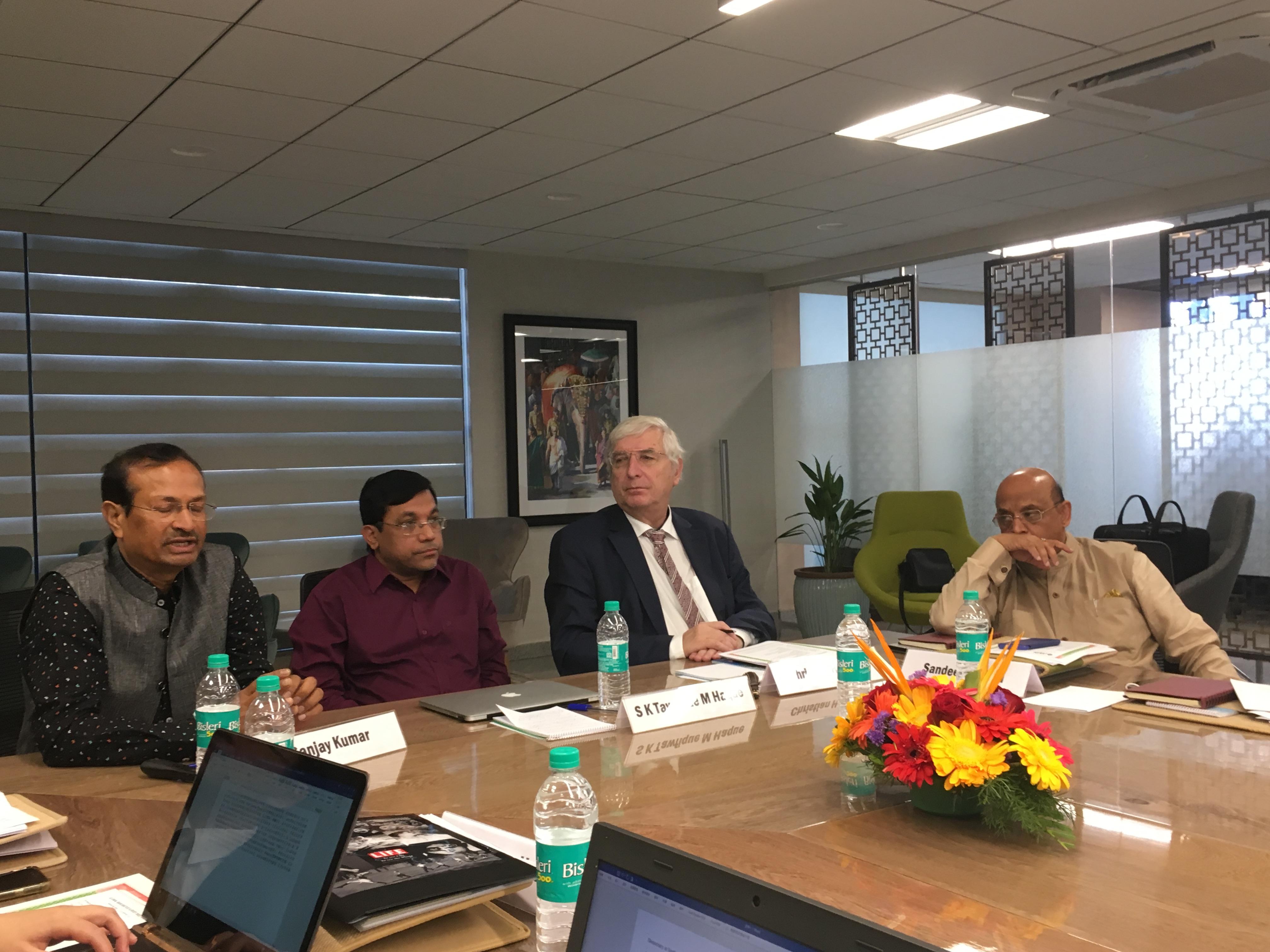
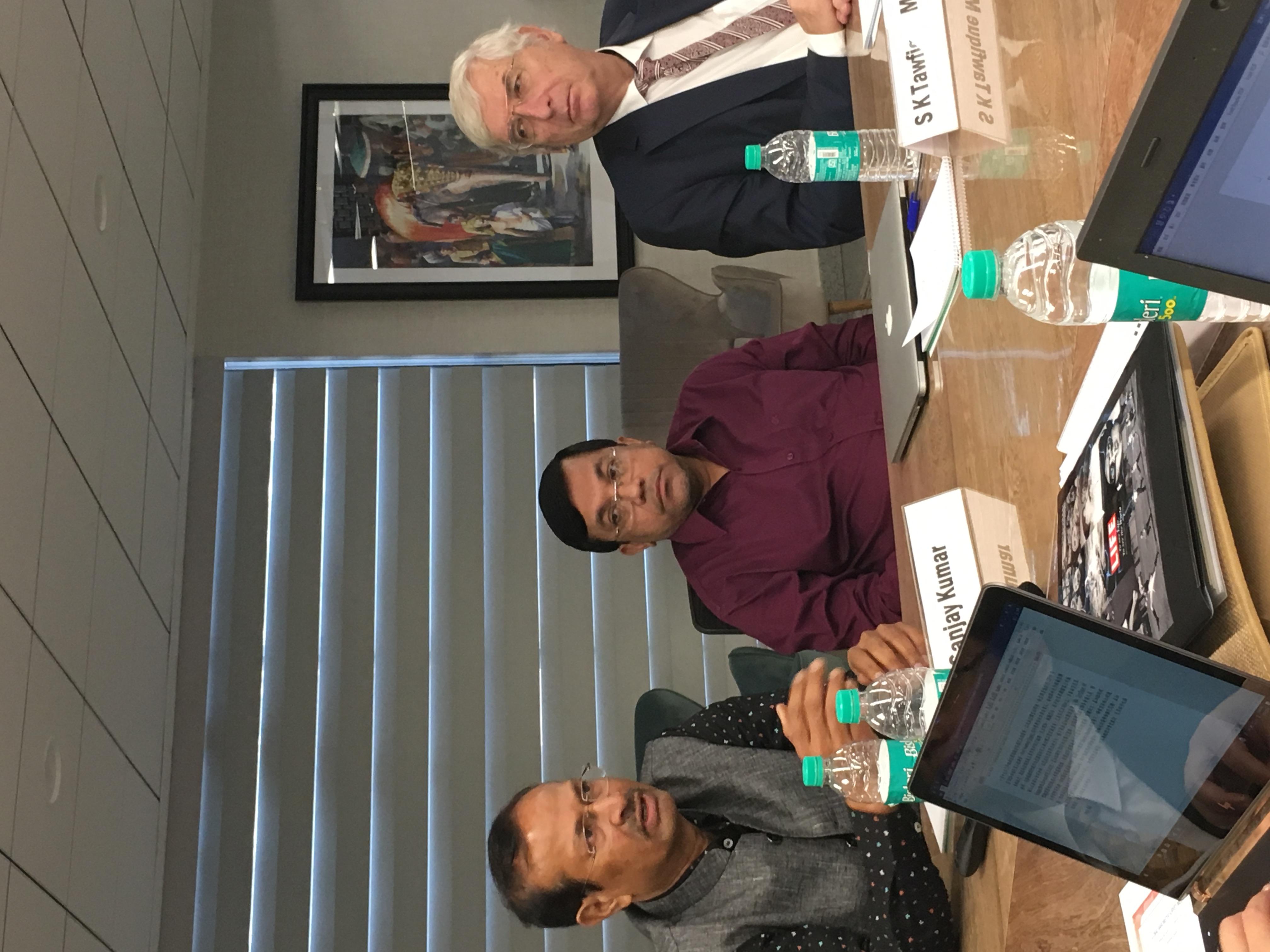
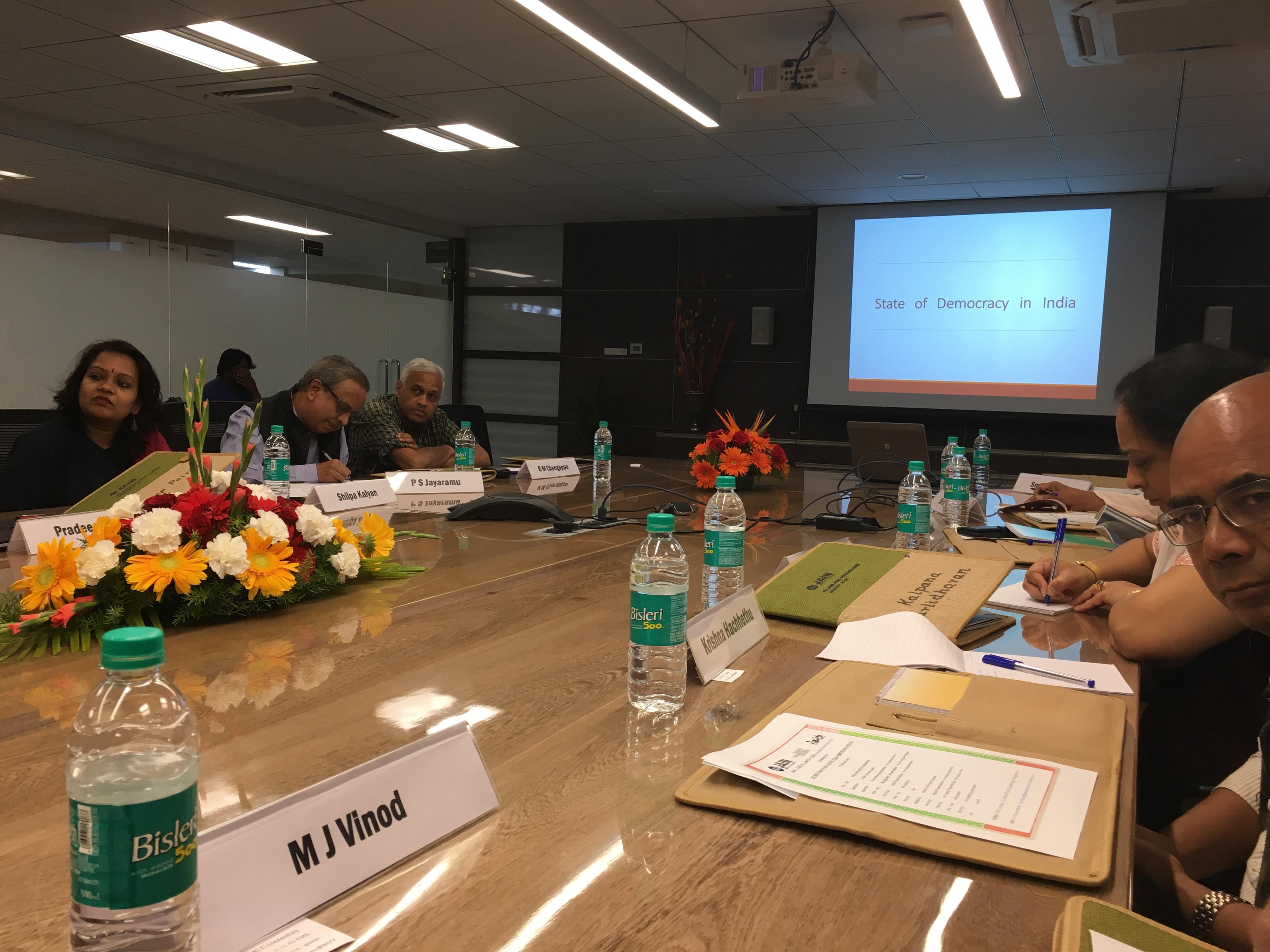
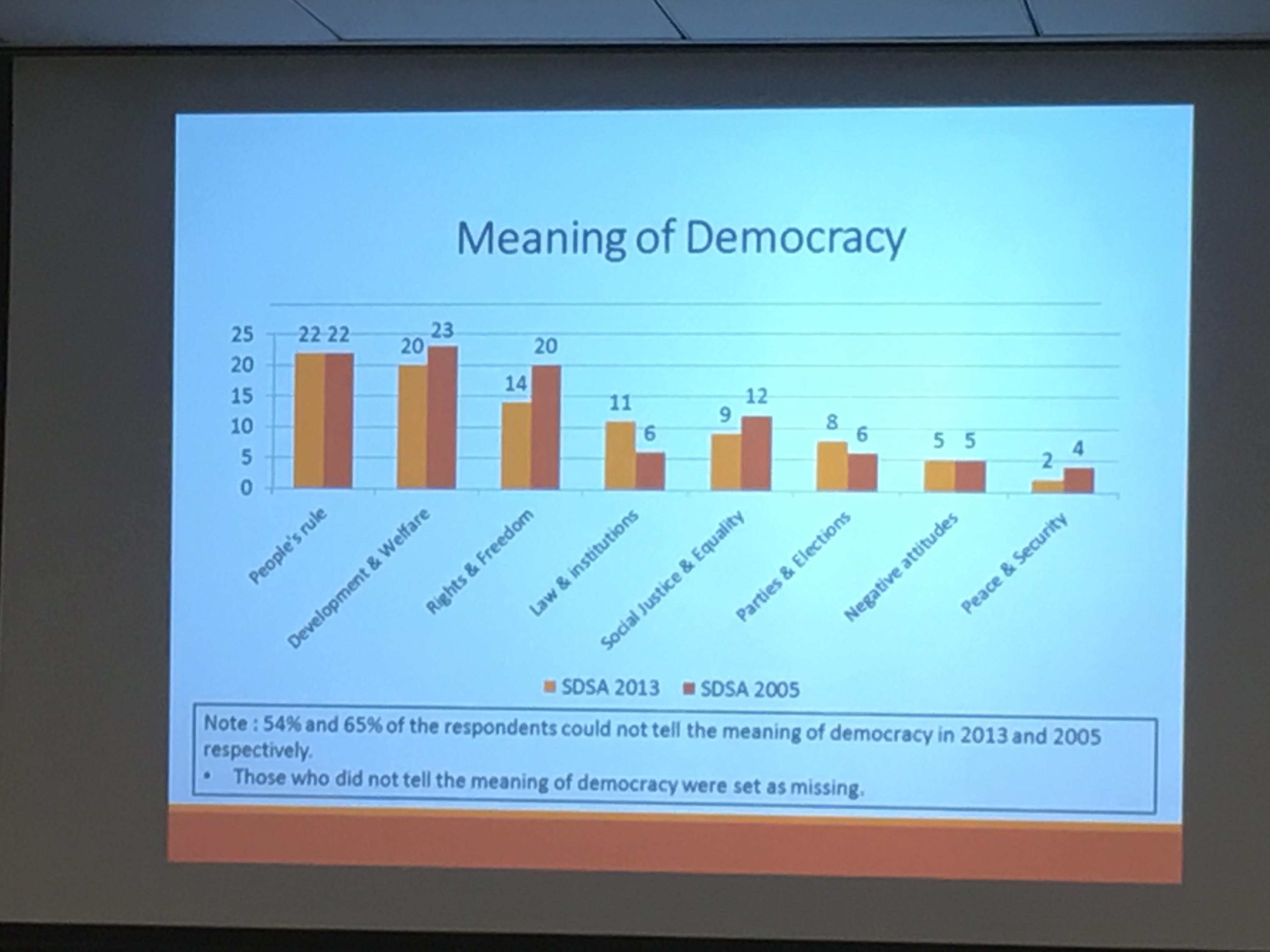
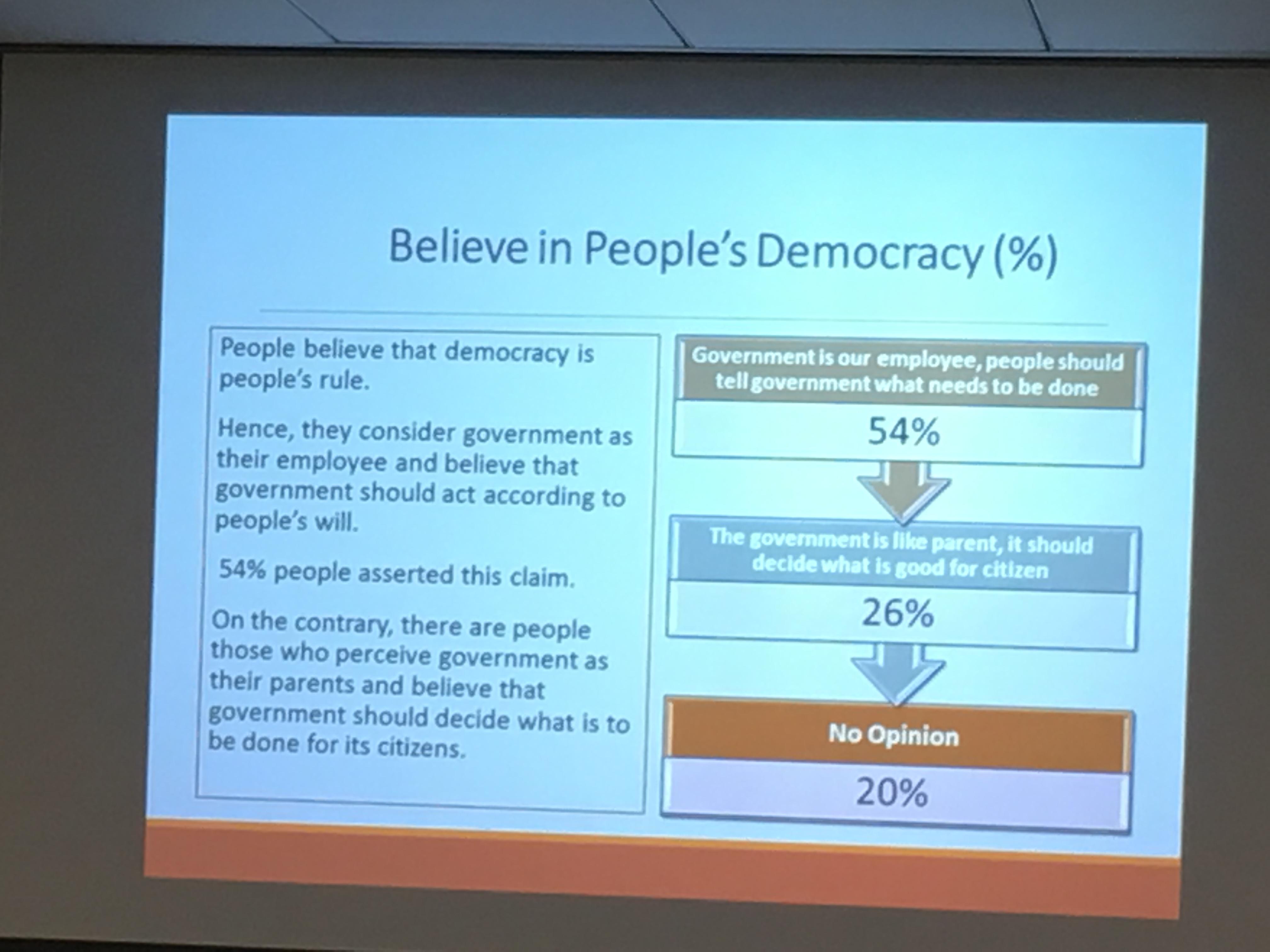

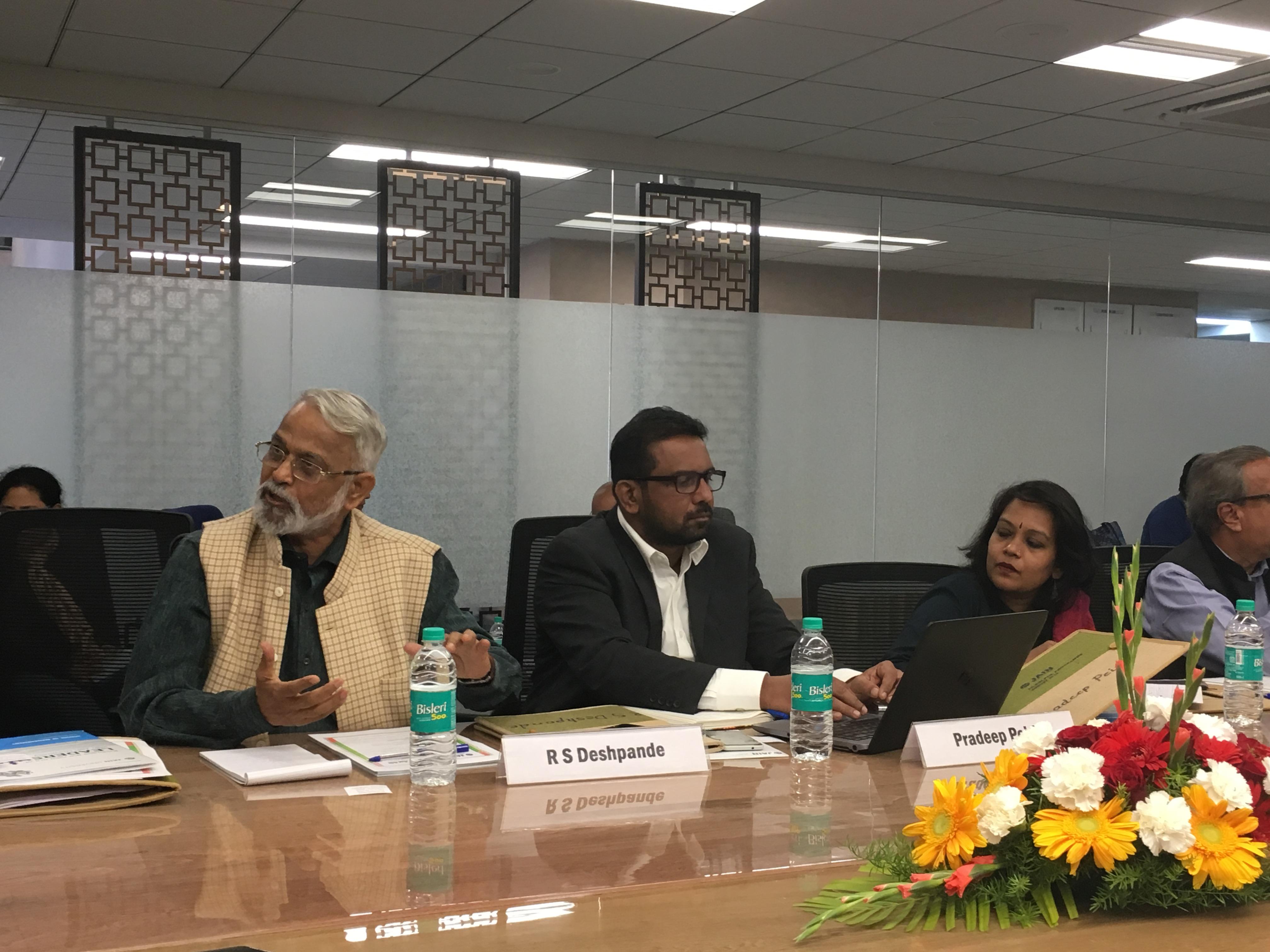
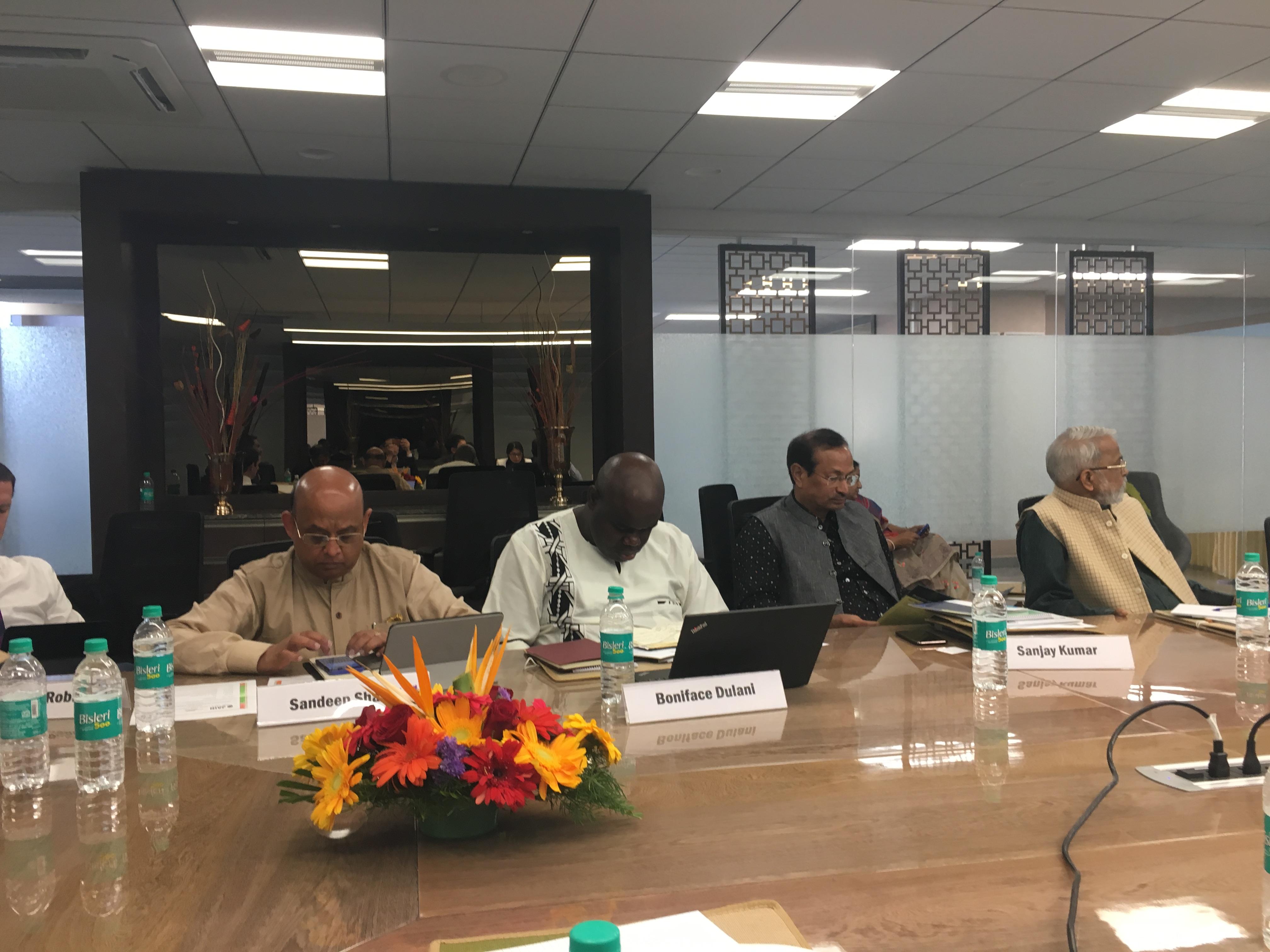
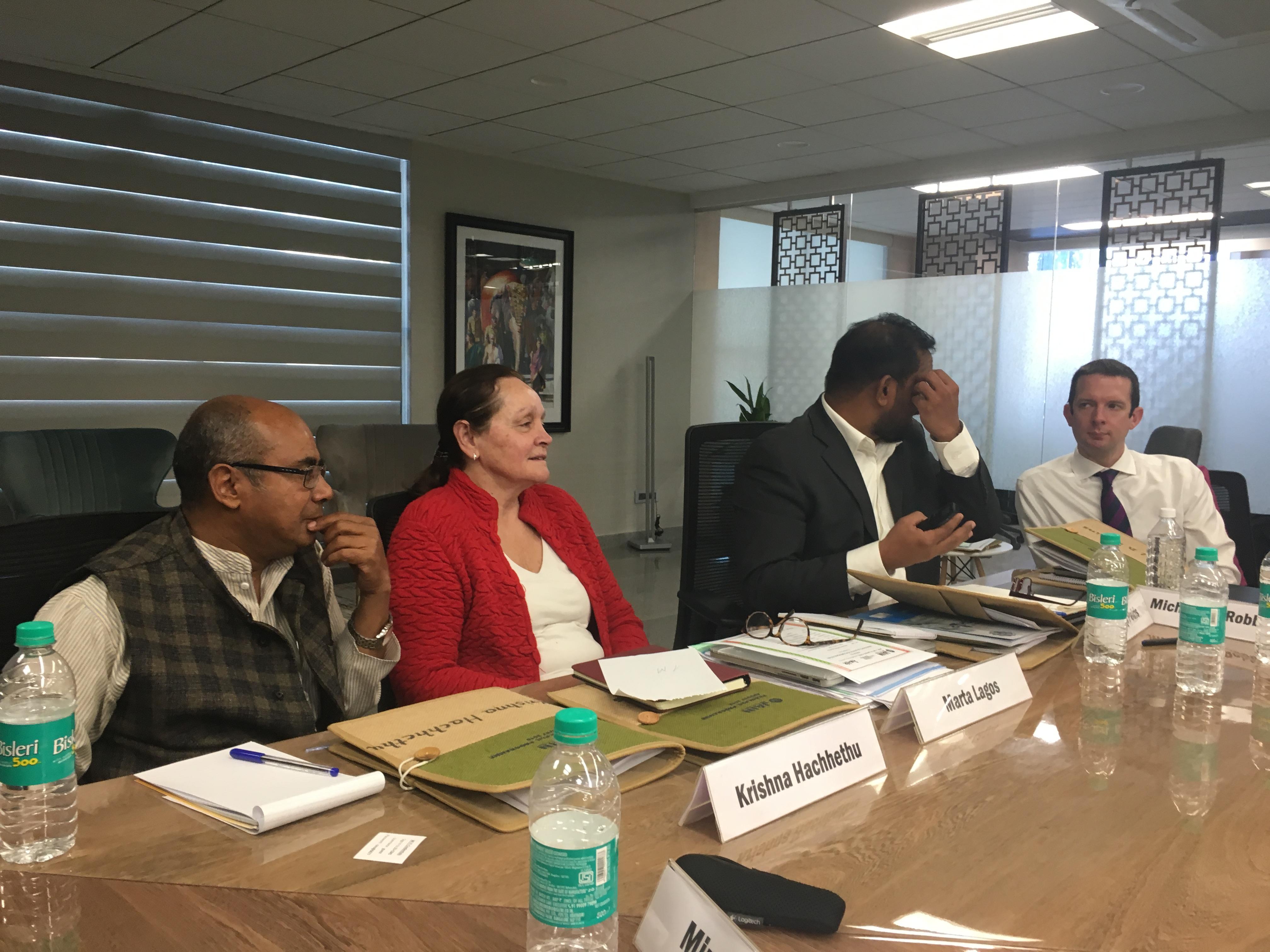
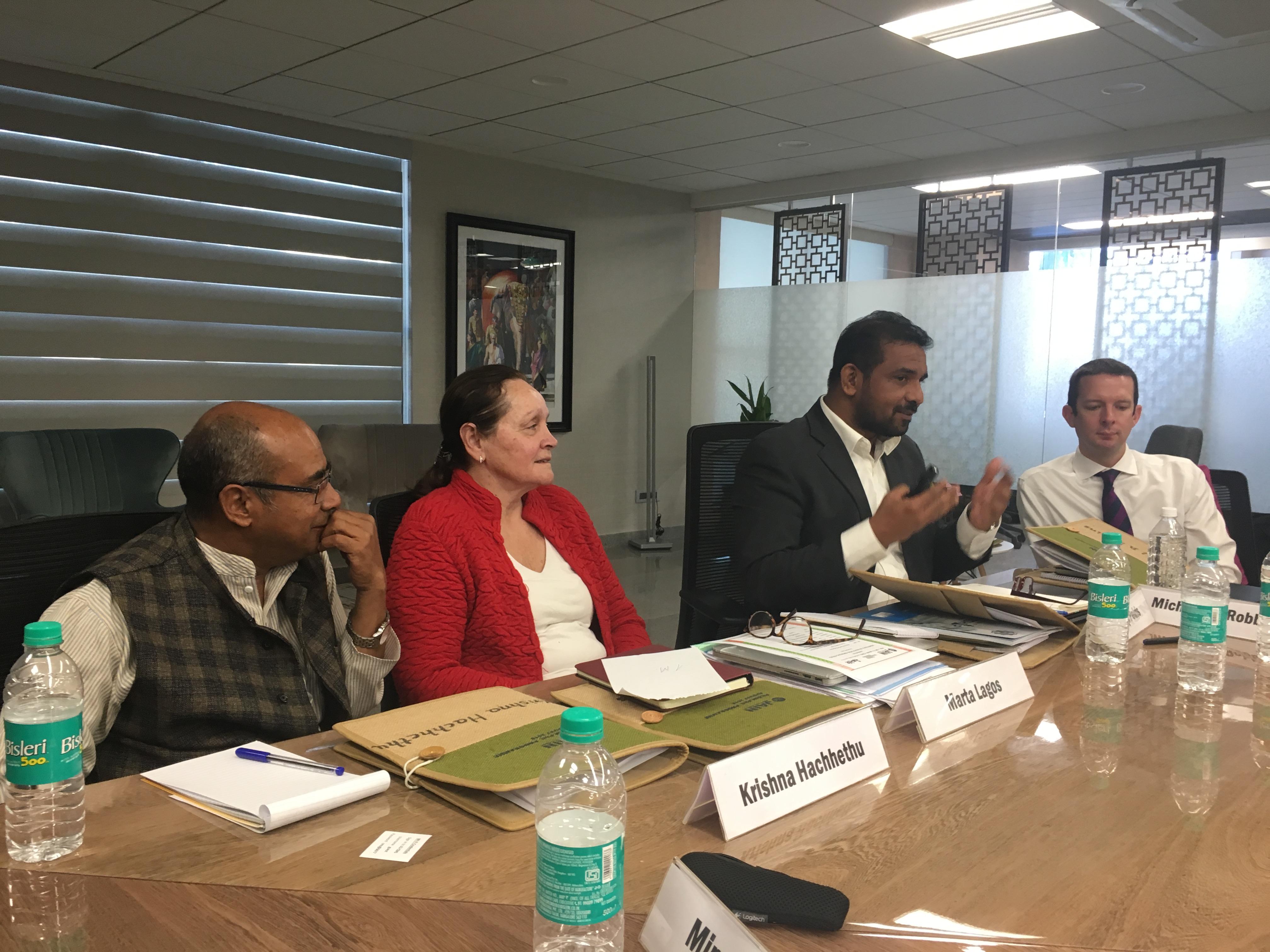
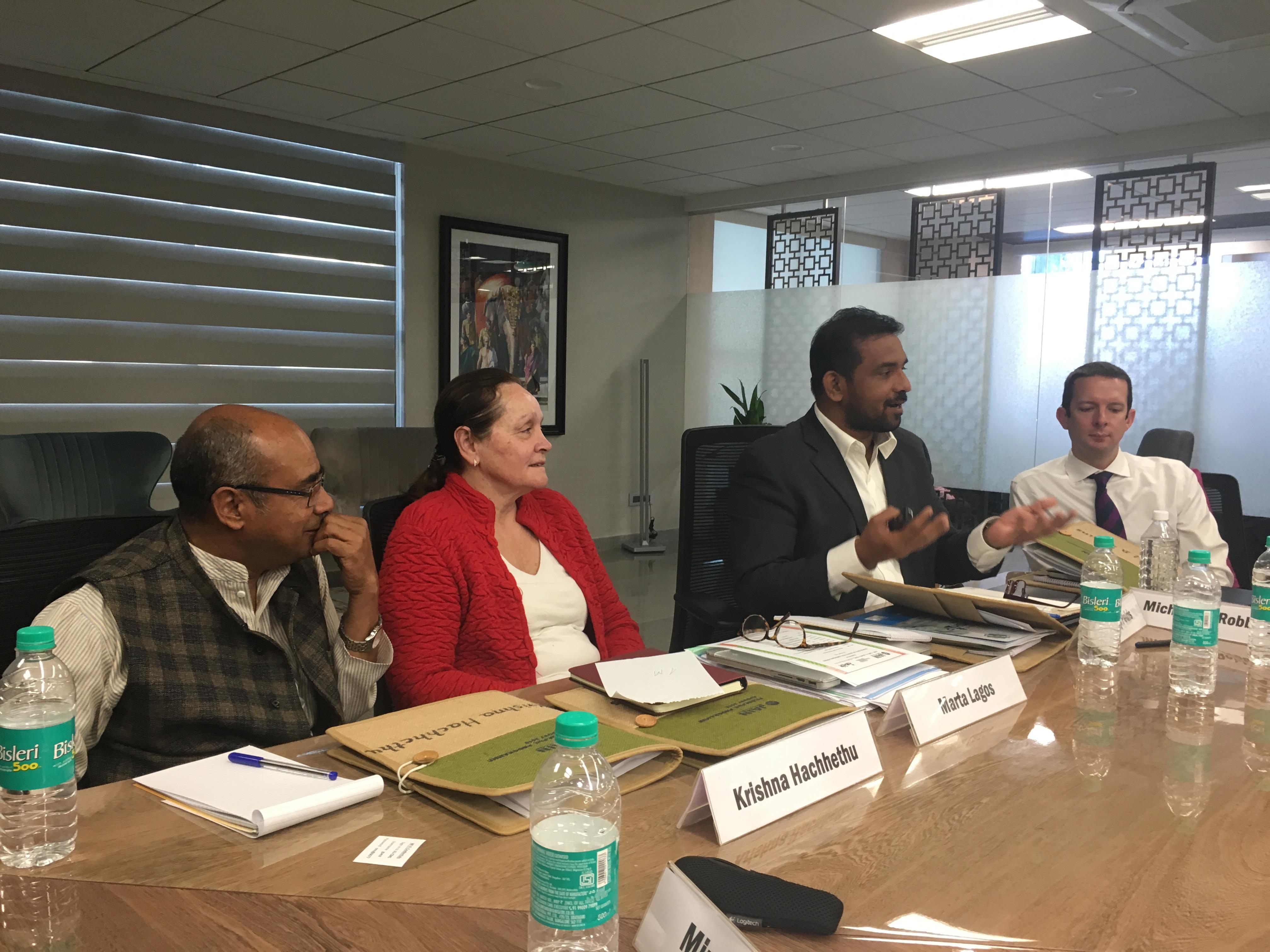
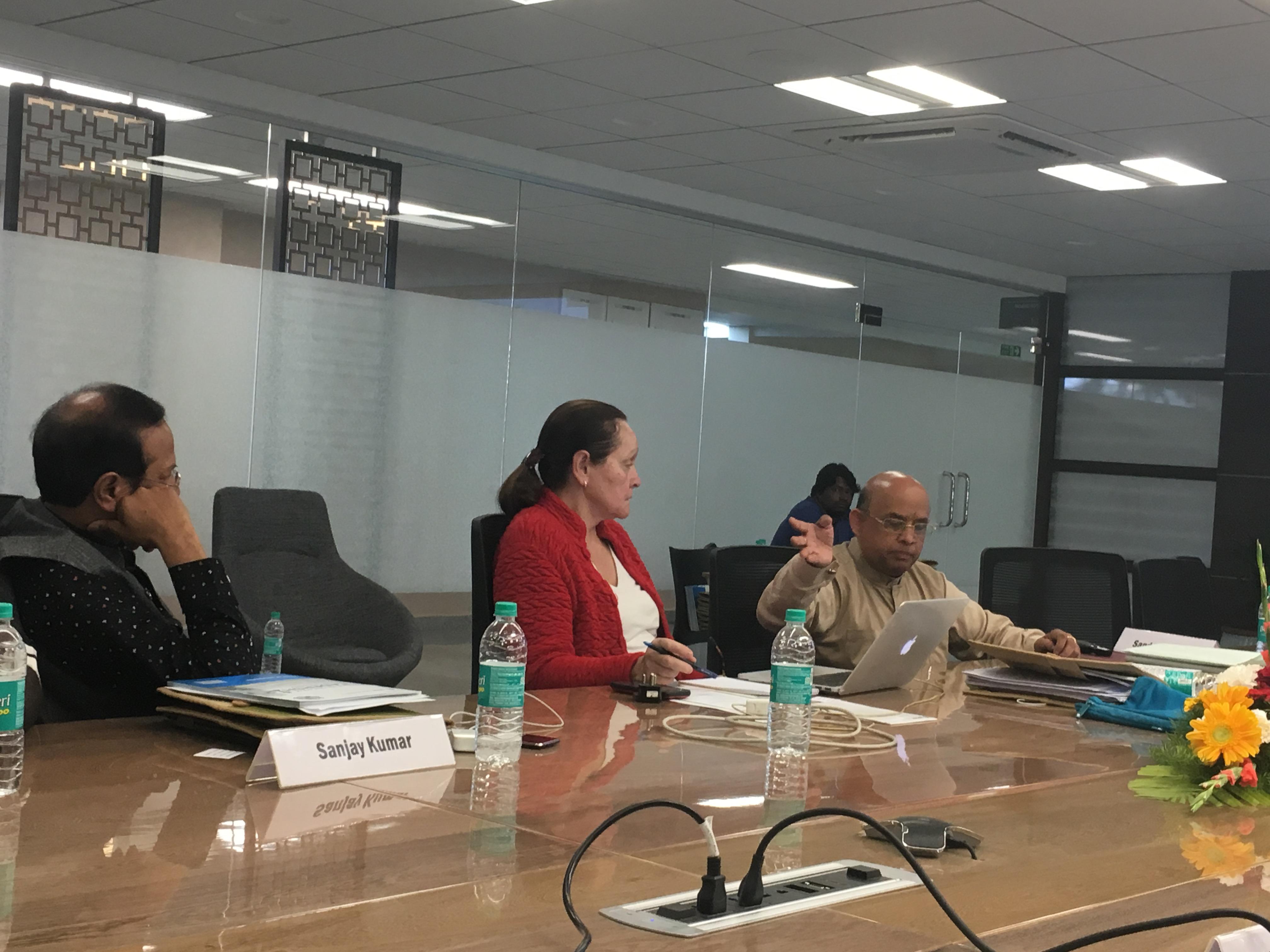

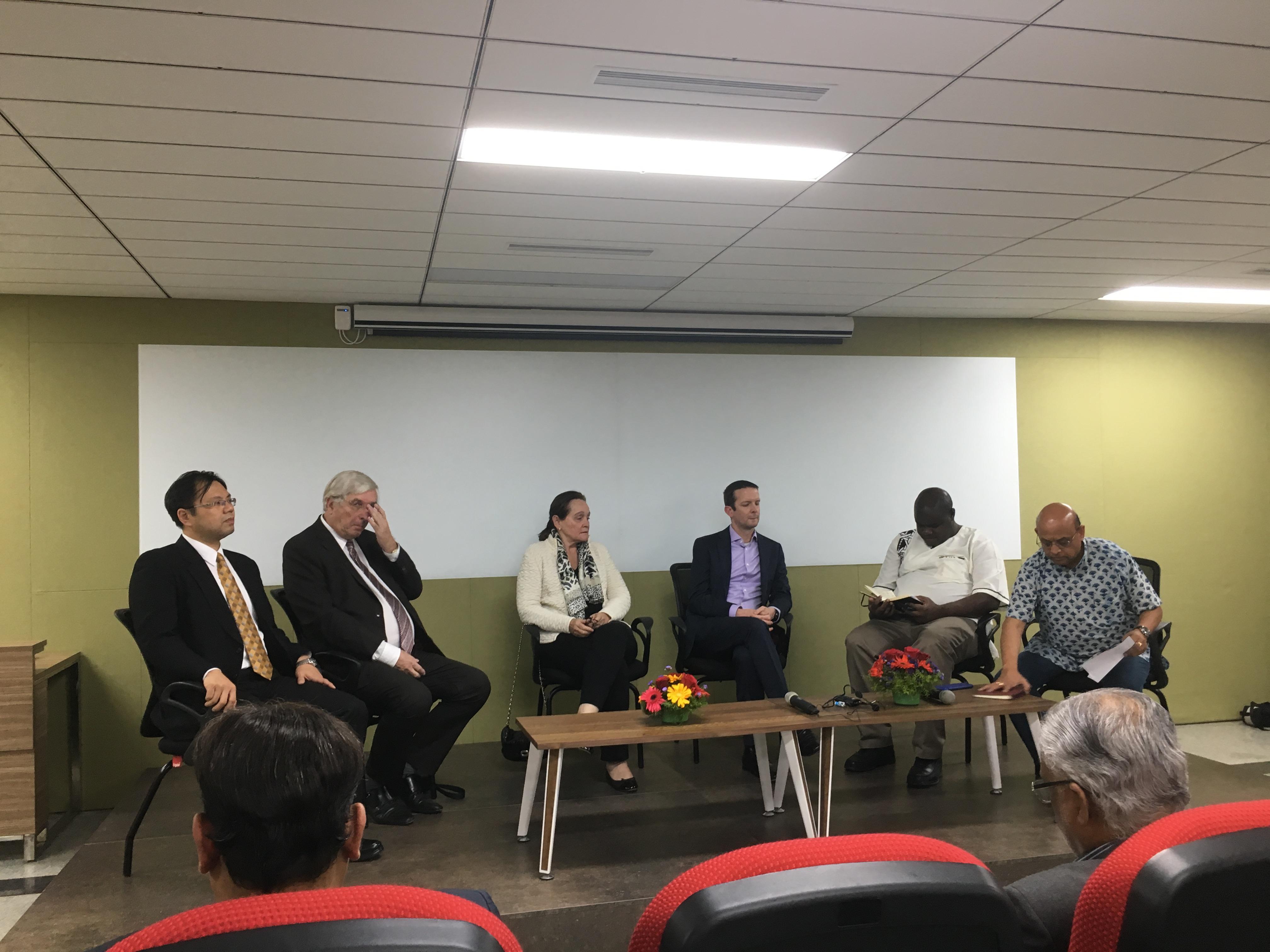
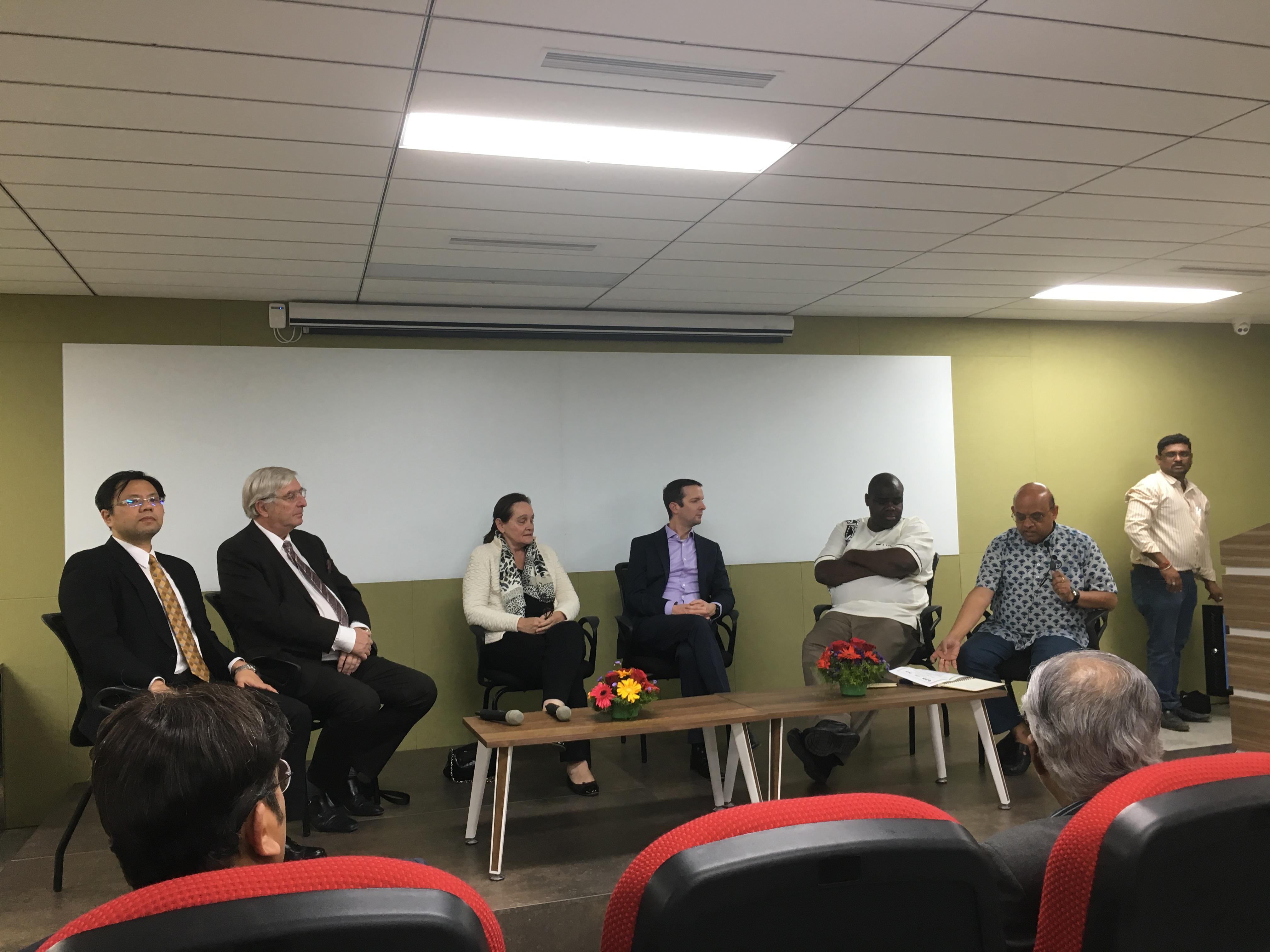
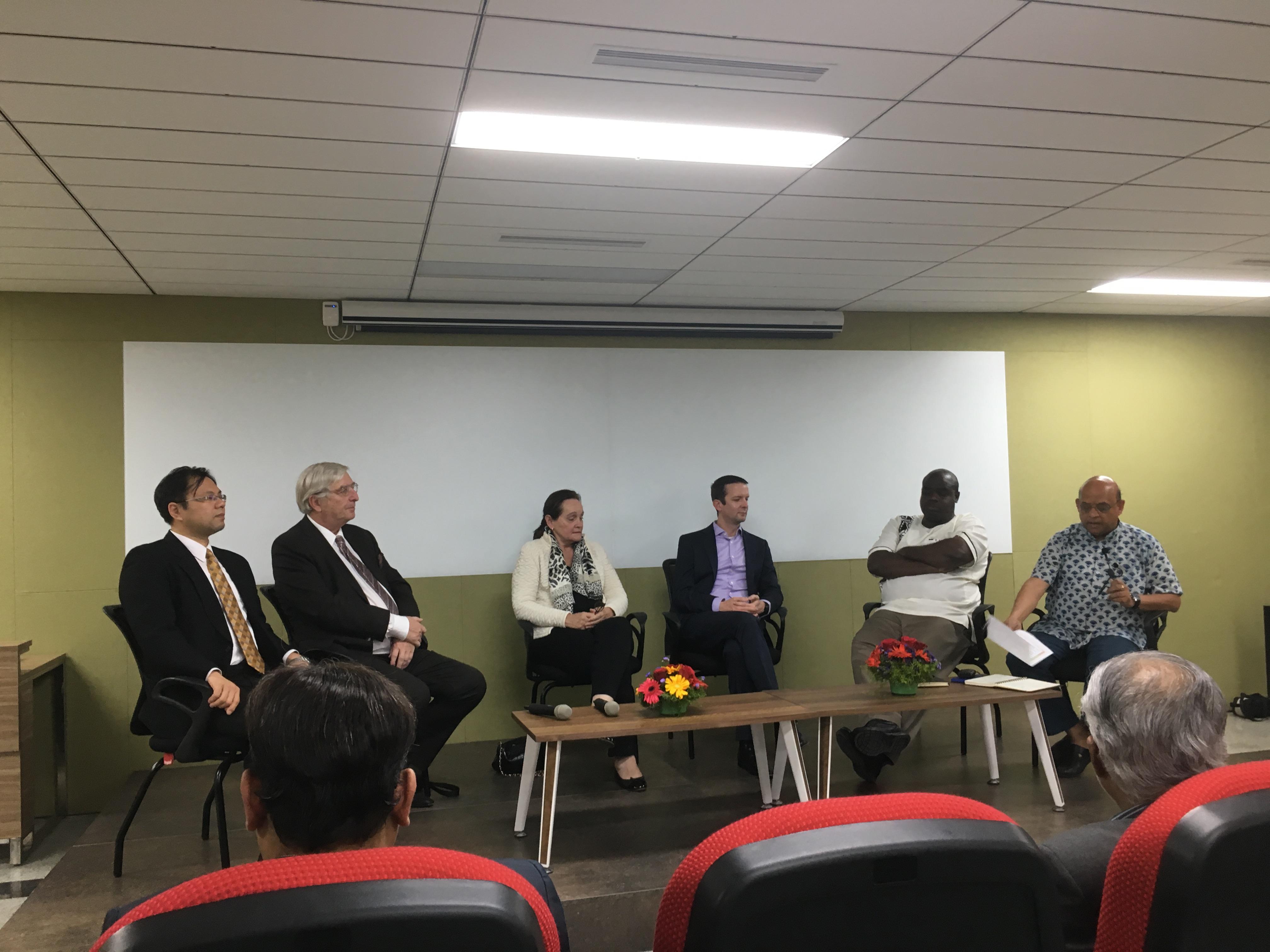
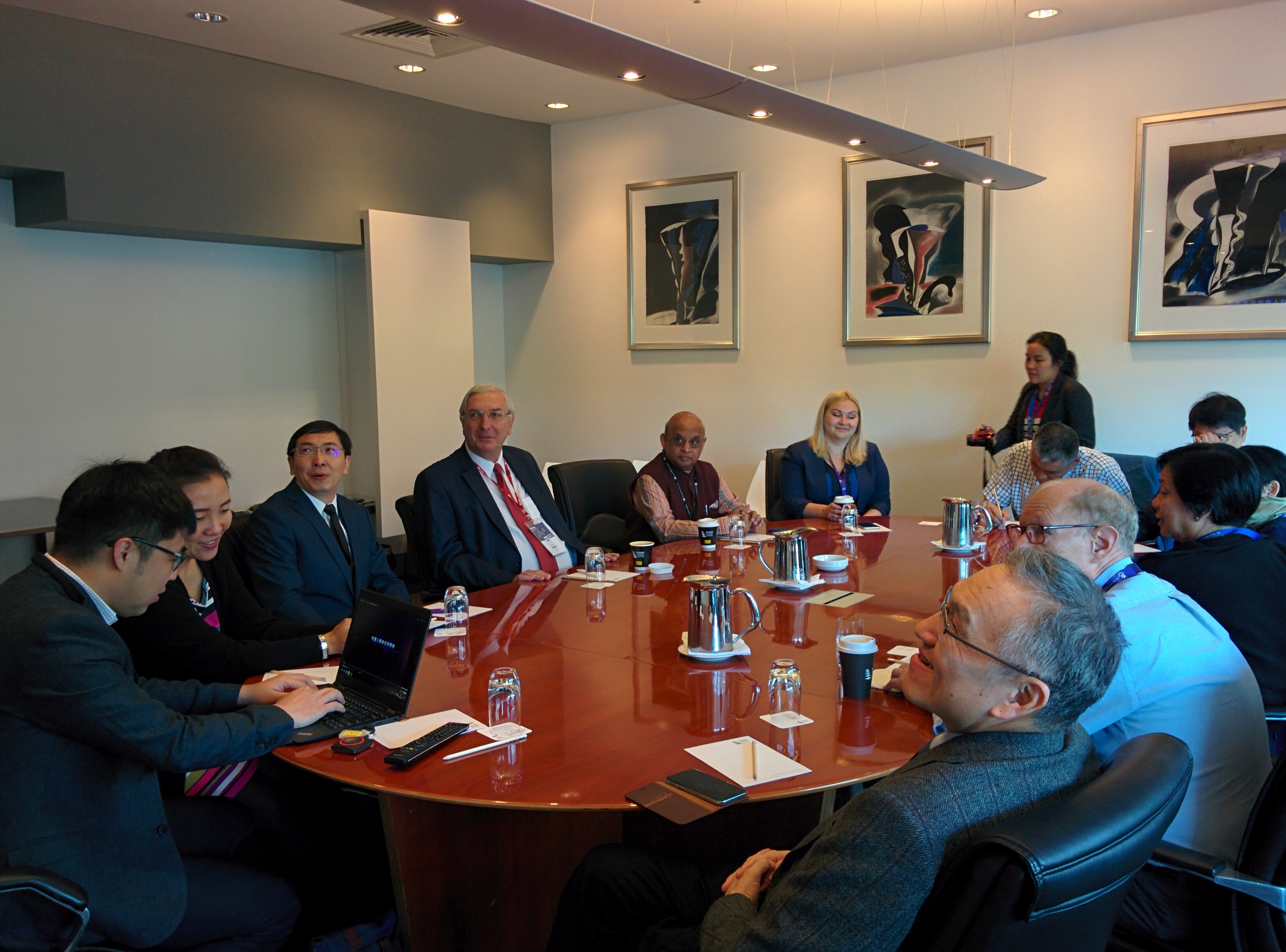
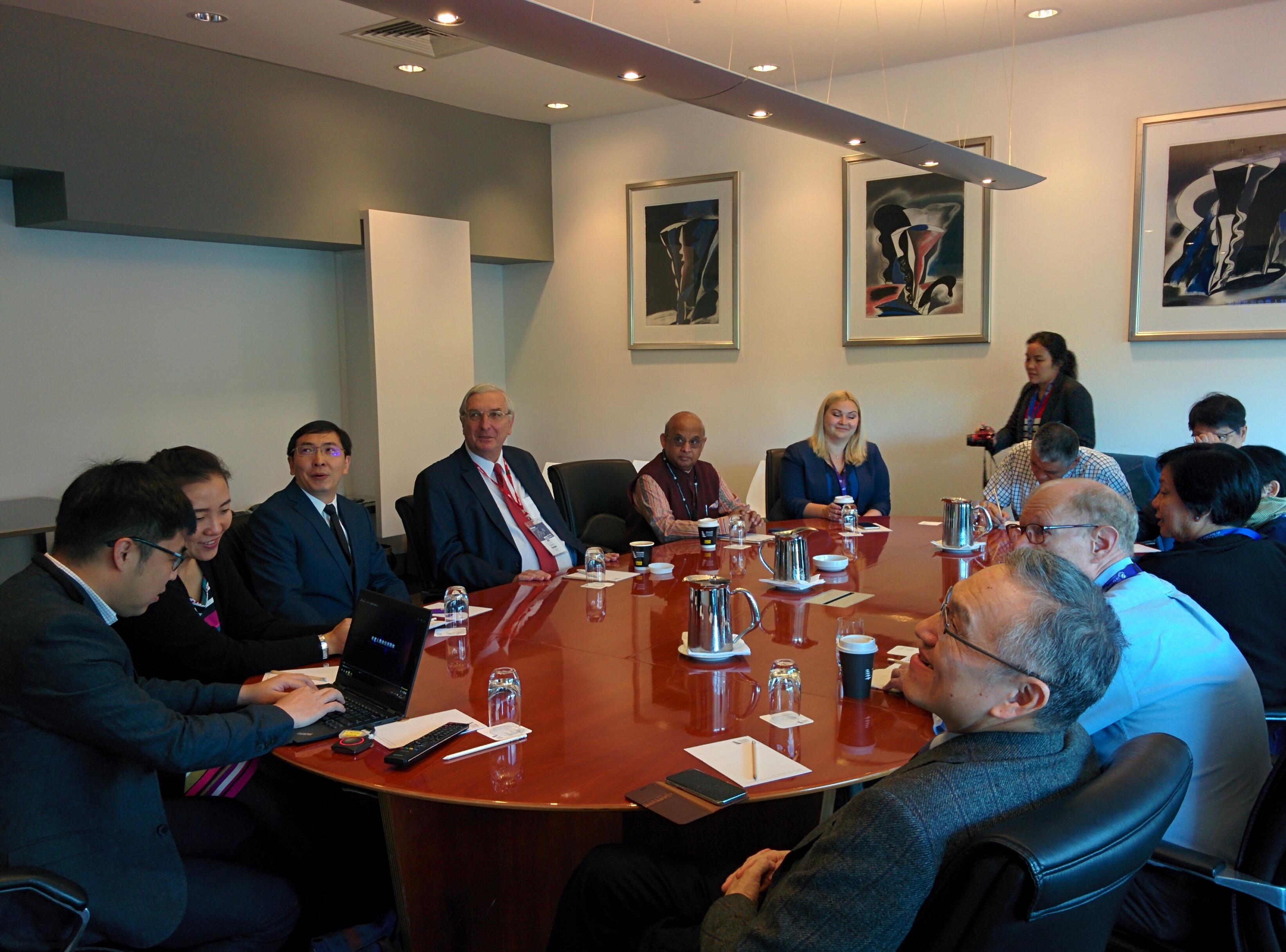
The GBS working meeting was held in Brisbane on July 24 to report and discuss the status of every regional survey. The Arab Barometer Survey is conducting the fifth wave of surveys and is expected to complete the survey interviews with 15 countries by the end of this year. The Asian Barometer Survey is also conducting the fifth wave of surveys, started from Taiwan this summer and then follows the investigations of Vietnam, Philippines, and Mongolia. It is expected to complete the fifth wave with 15 countries by 2020, with Australia as the new survey country. It is likely to cover New Zealand and East Timor in the future survey. The South Asian Barometer Survey will investigate India before the 2019 congressional election, and the scheduled date and process of other countries surveys depend on the research funding. It is likely to include Bhutan in the survey in the future. The Eurasian Barometer Survey will complete the investigation of 15 countries next year.
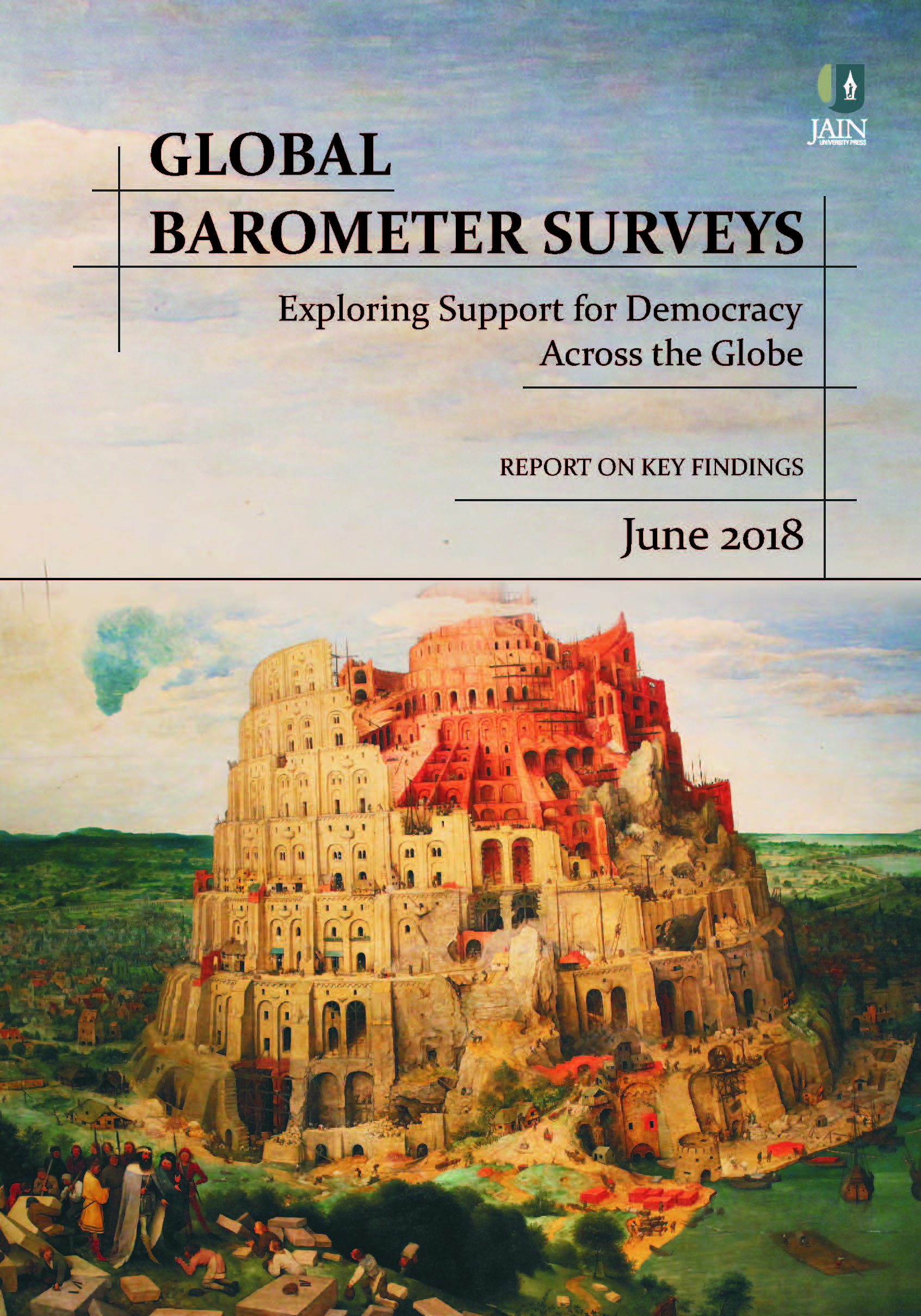
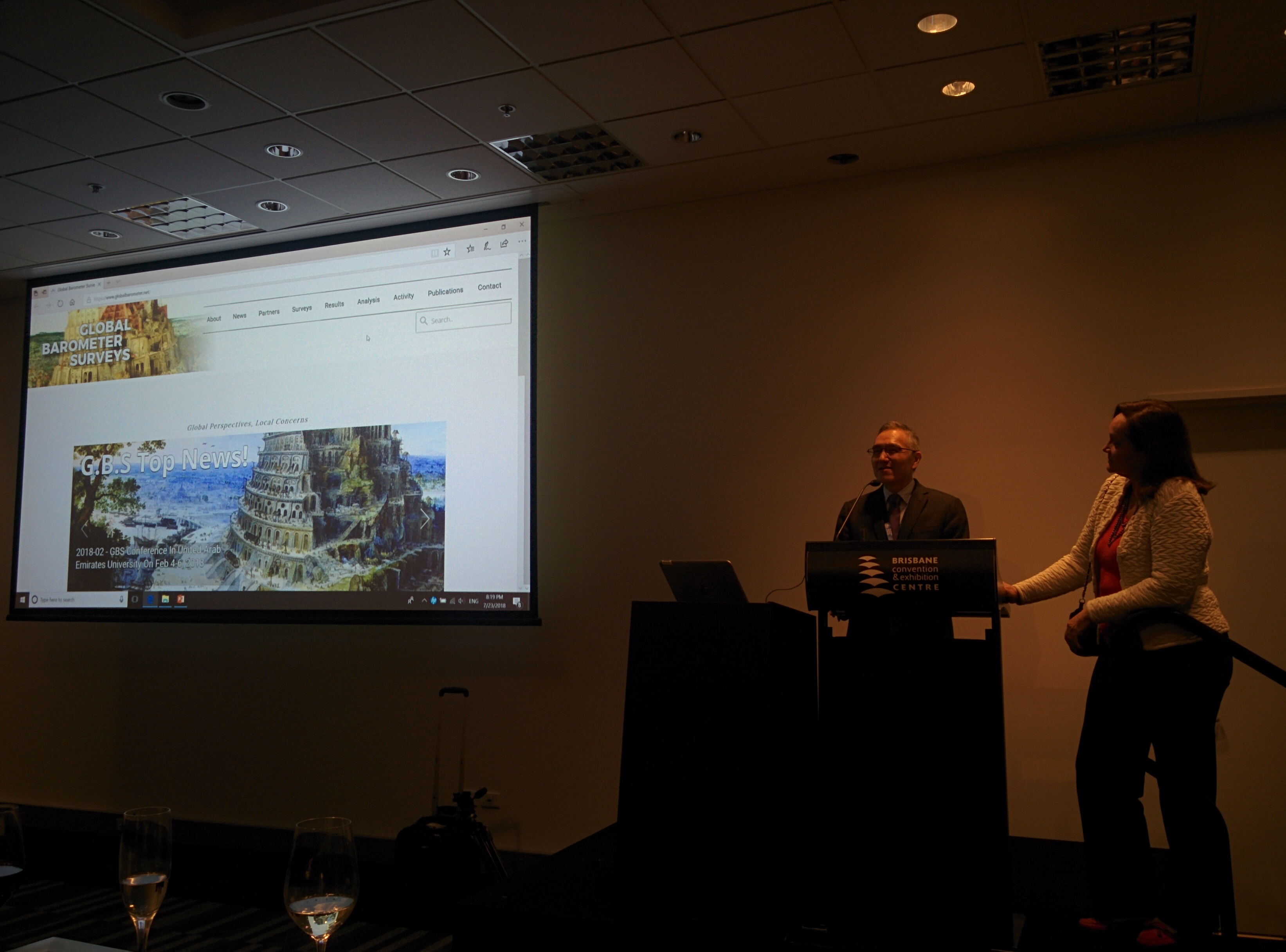
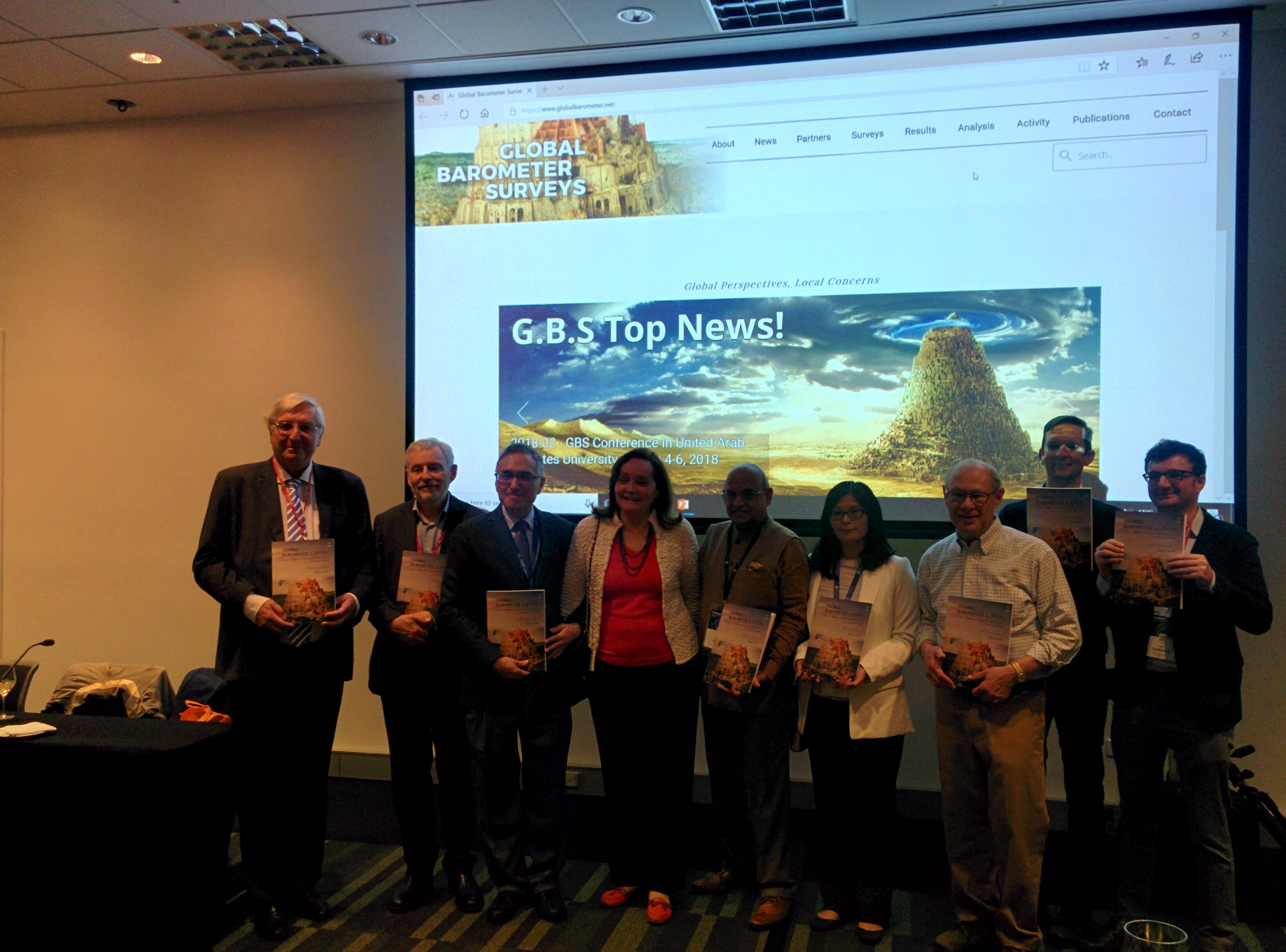
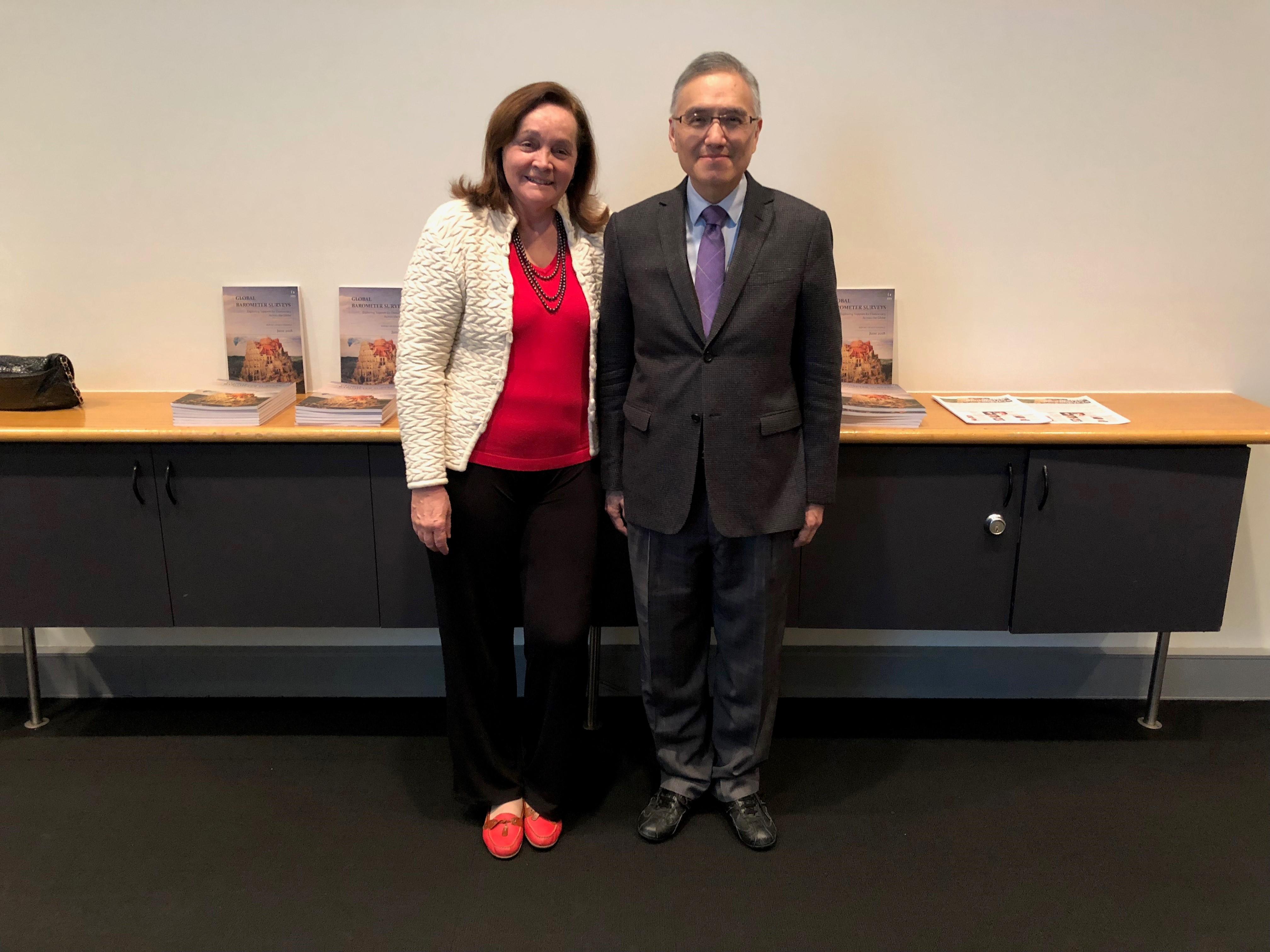
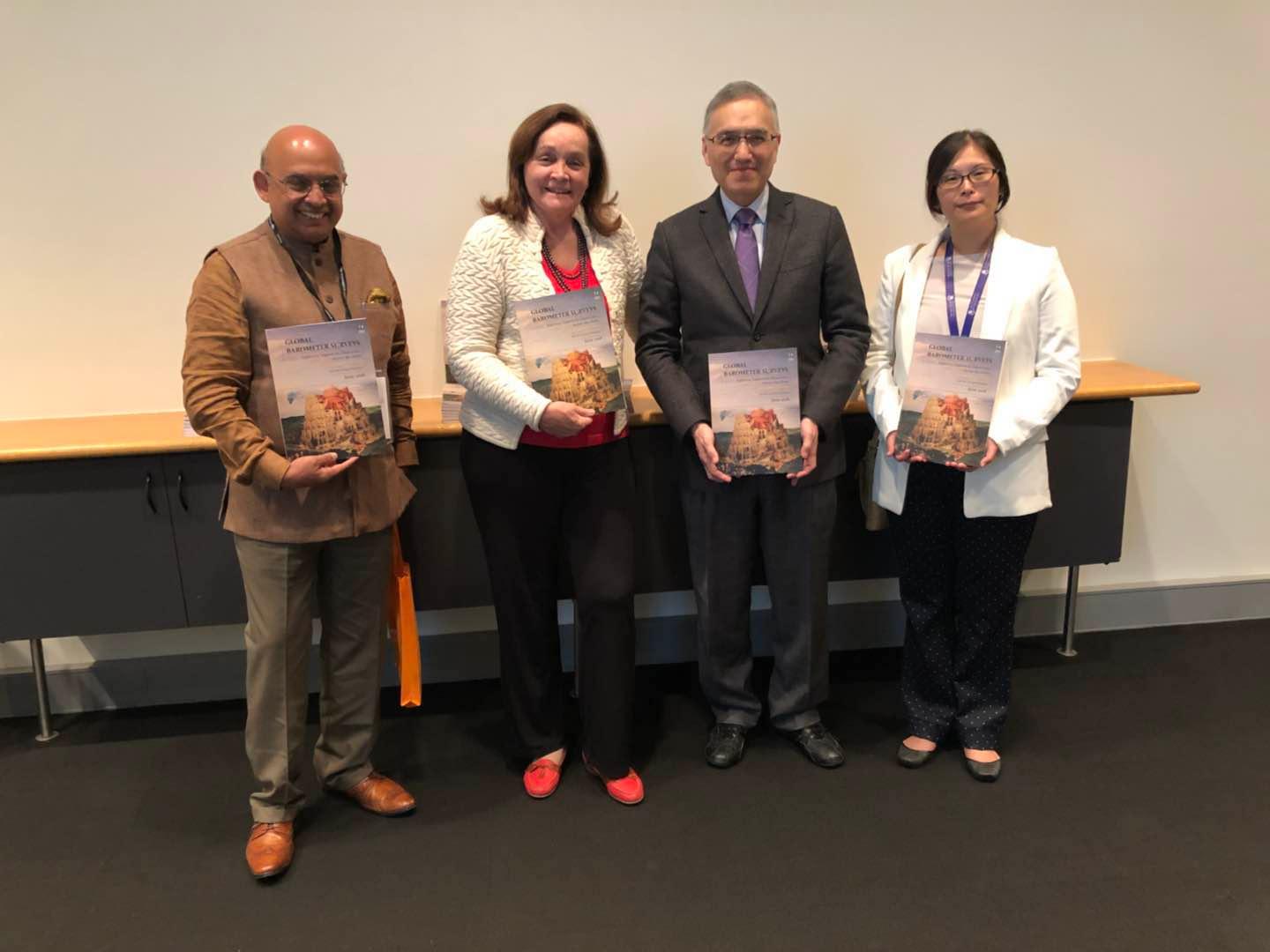
On the evening of July 23, Global Barometer Surveys (GBS) co-hosted a welcome reception with another global research survey project, World Values Survey (WVS). The welcome reception invited all the regional and national team directors and supervisors of GBS and WVS project, some scholars from the International Political Science Association (IPSA), and Taiwan scholars. The purpose of the welcome reception is to launch the first GBS global report: "Global Barometer Surveys - Exploring Support for Democracy across the Globe." The 7-chapter GBS reports focus on the democratic support of developing countries people, with the comparative analysis of democratic cognition, democratic values, political participation, institutional trust, and governance.
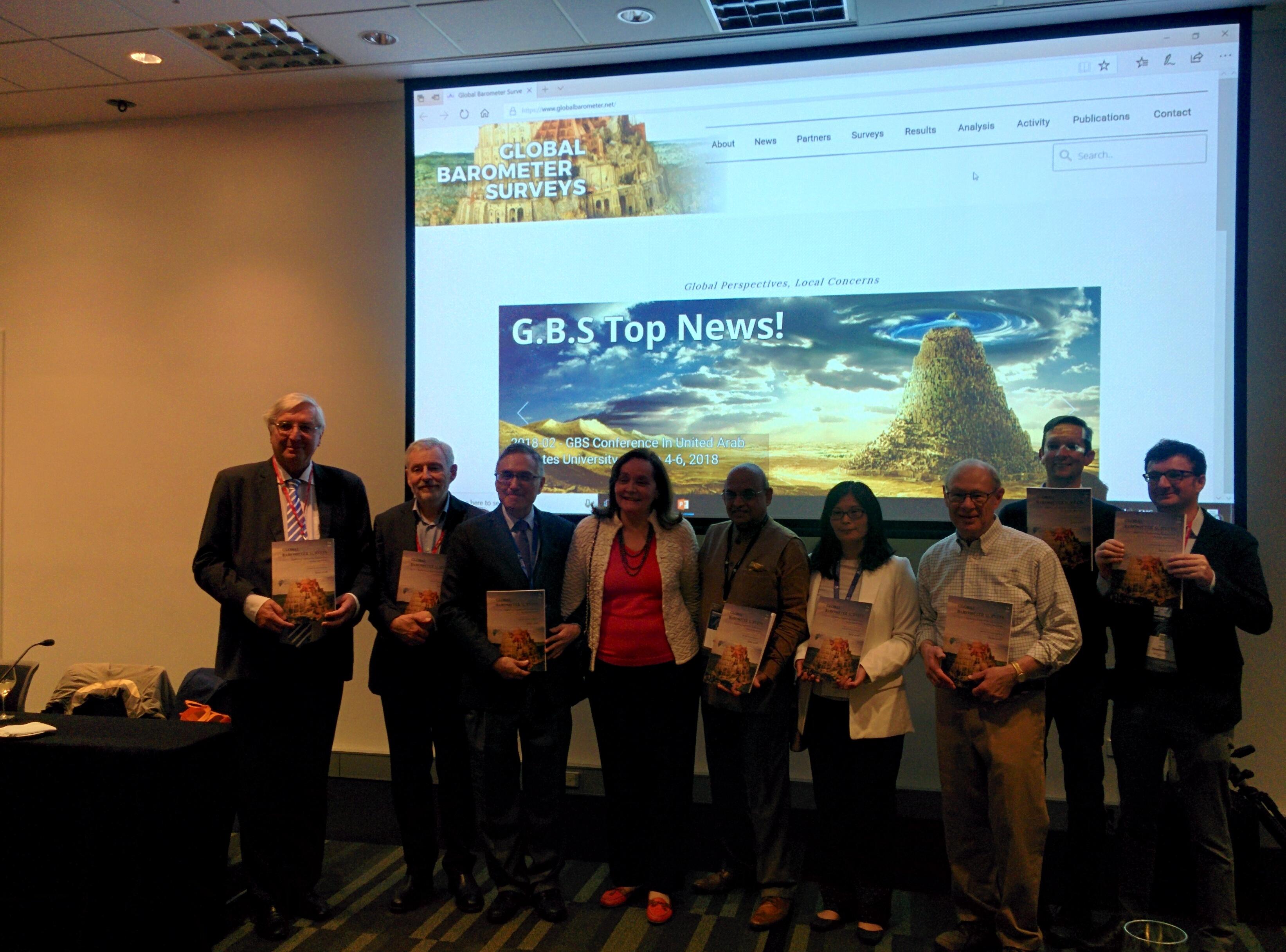
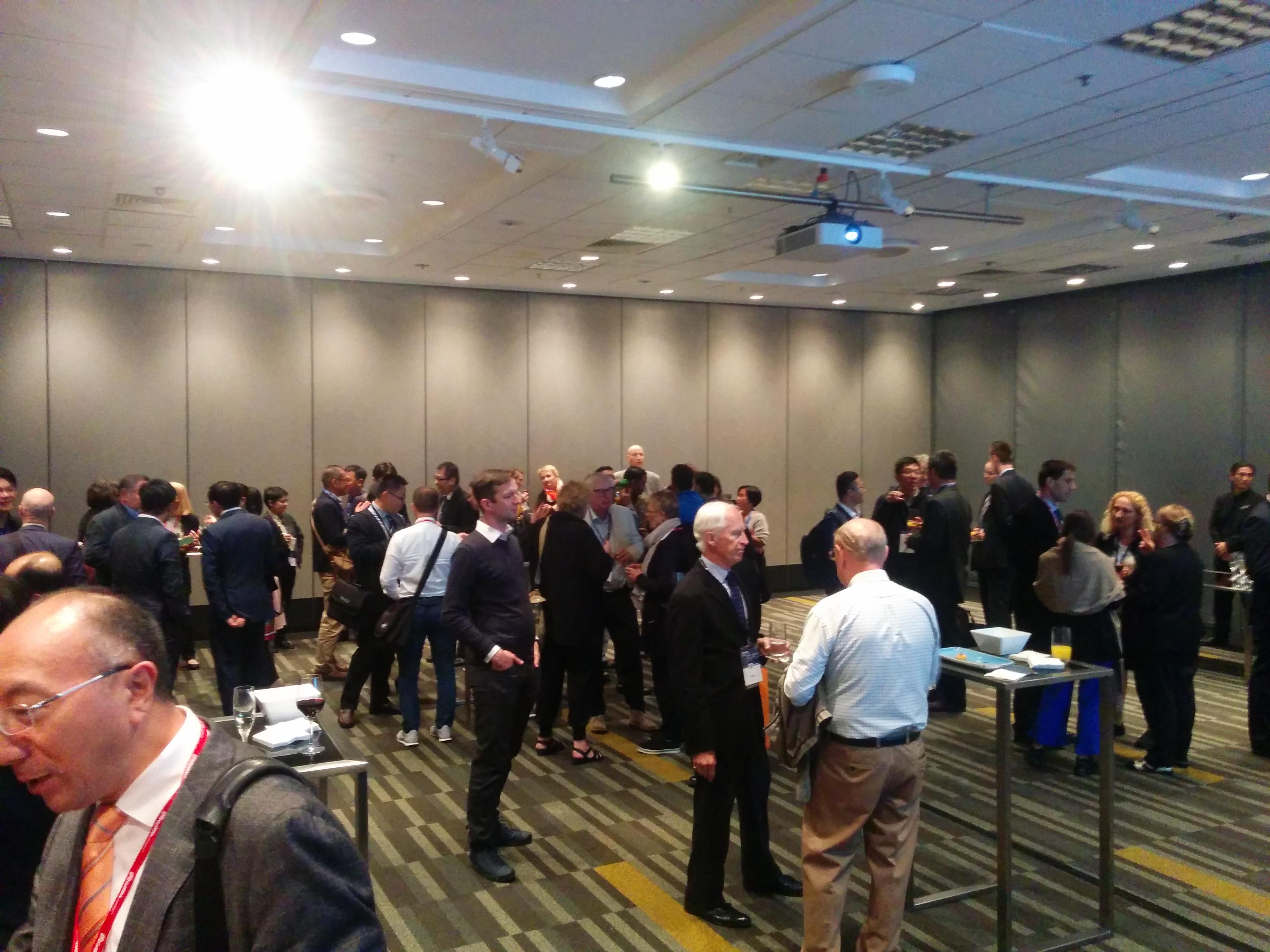
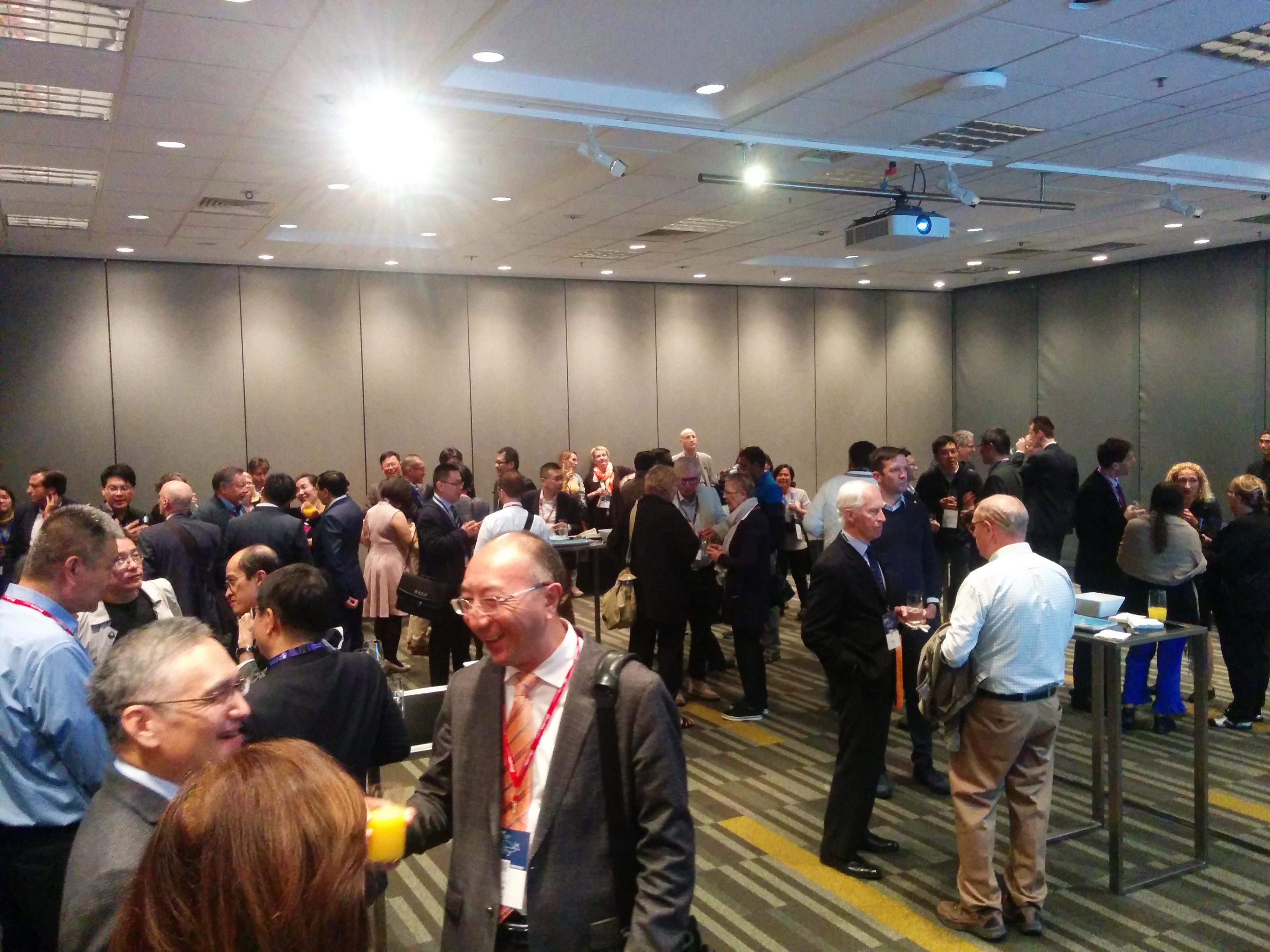
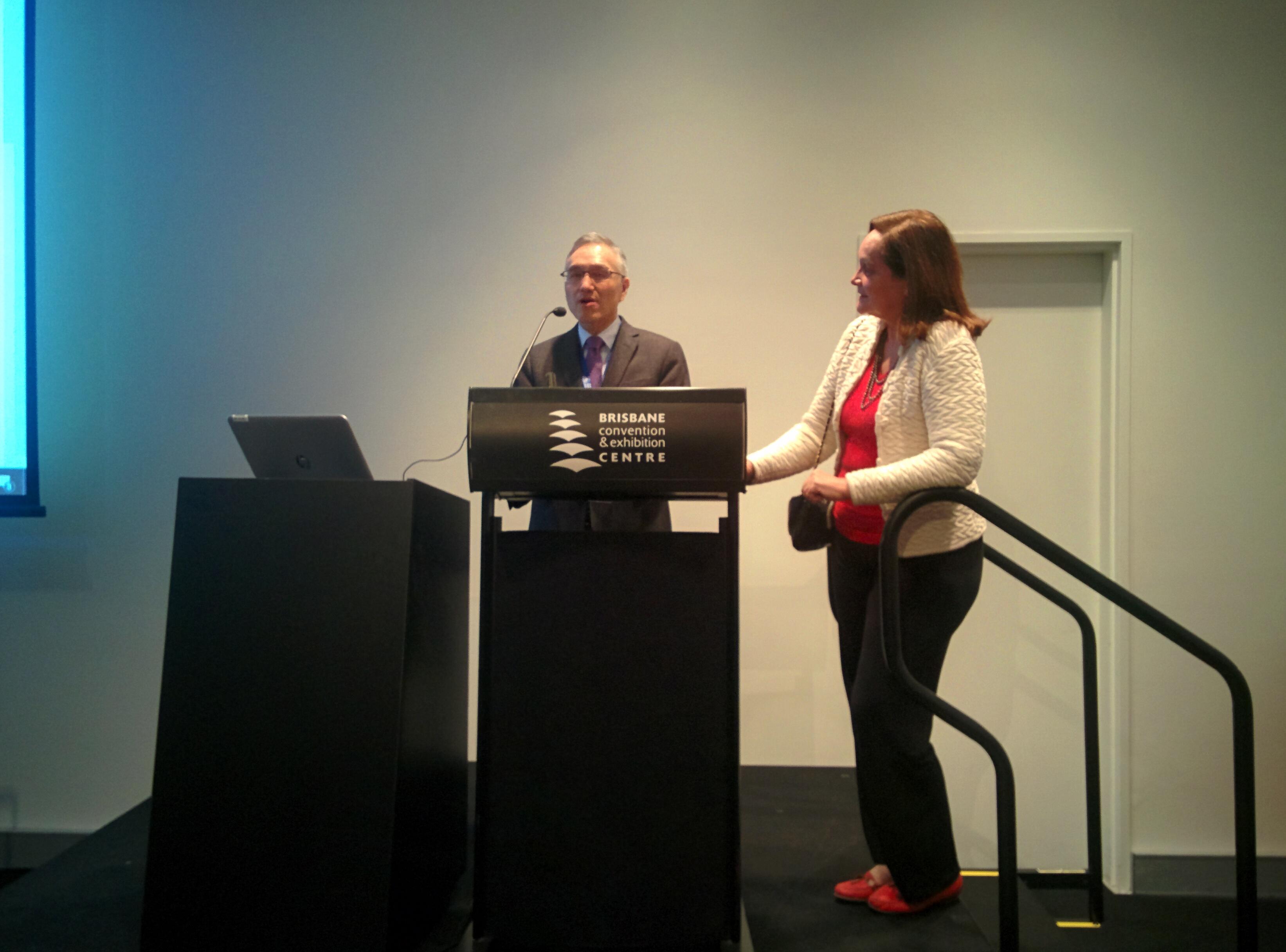
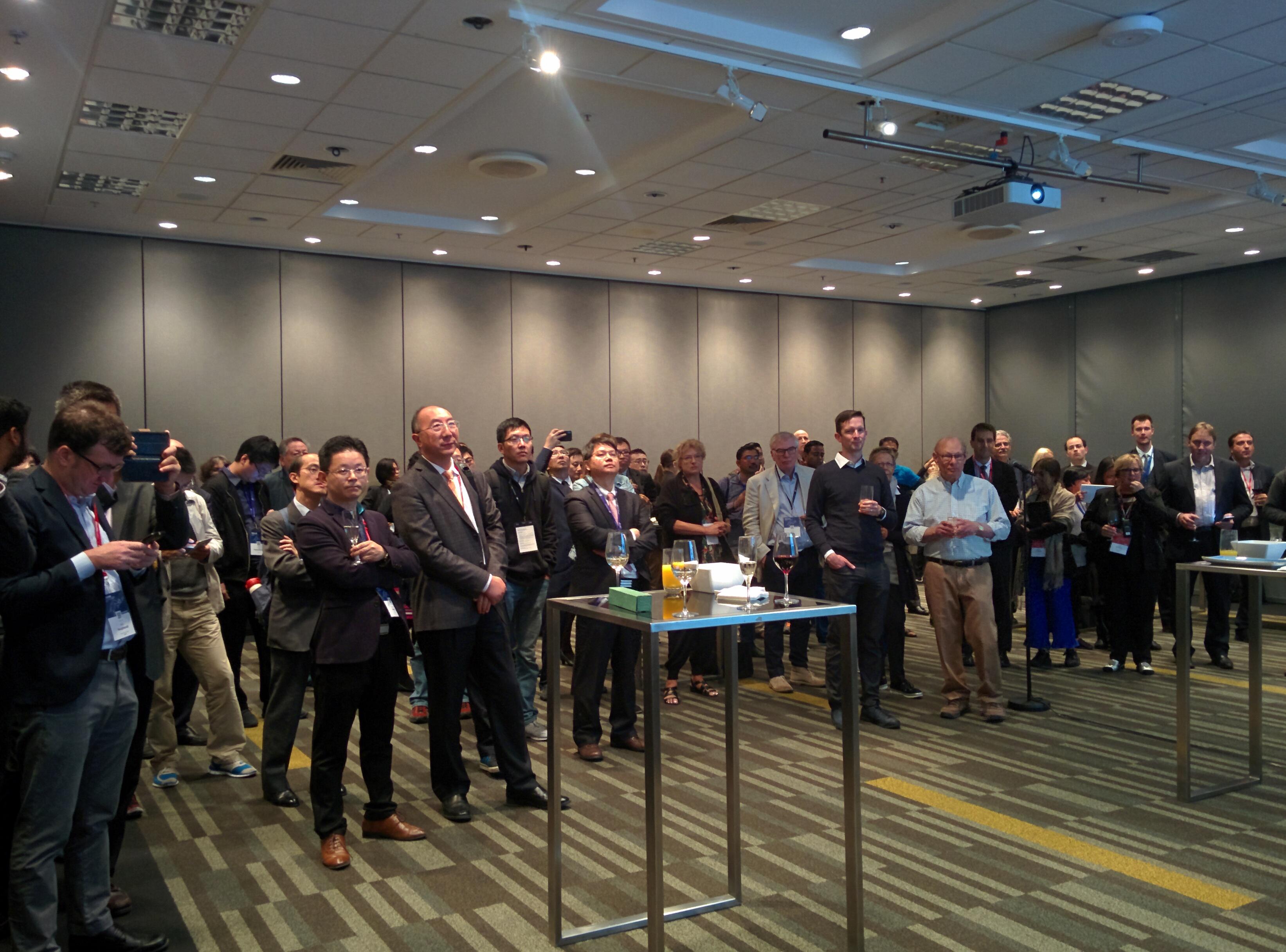
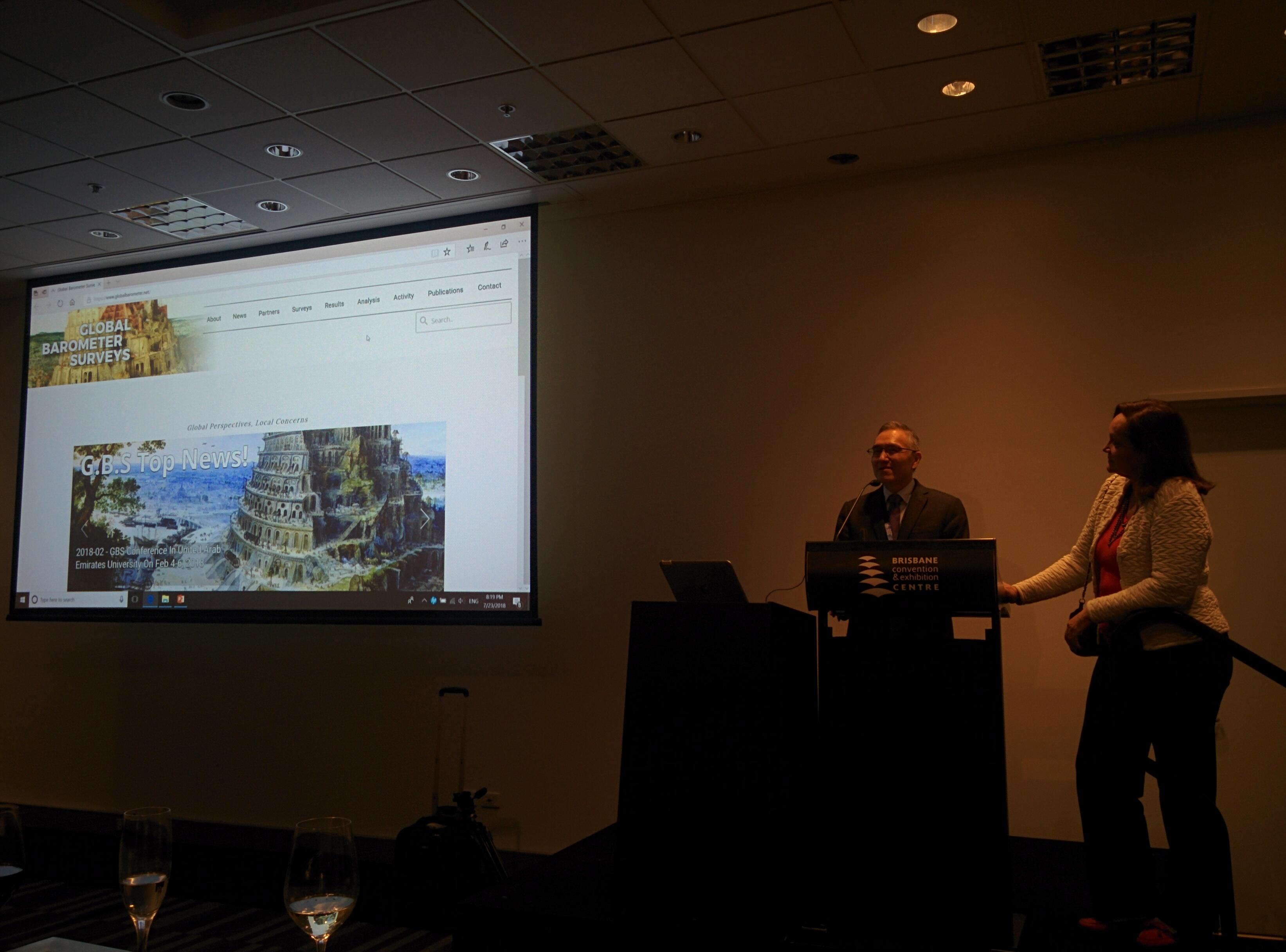
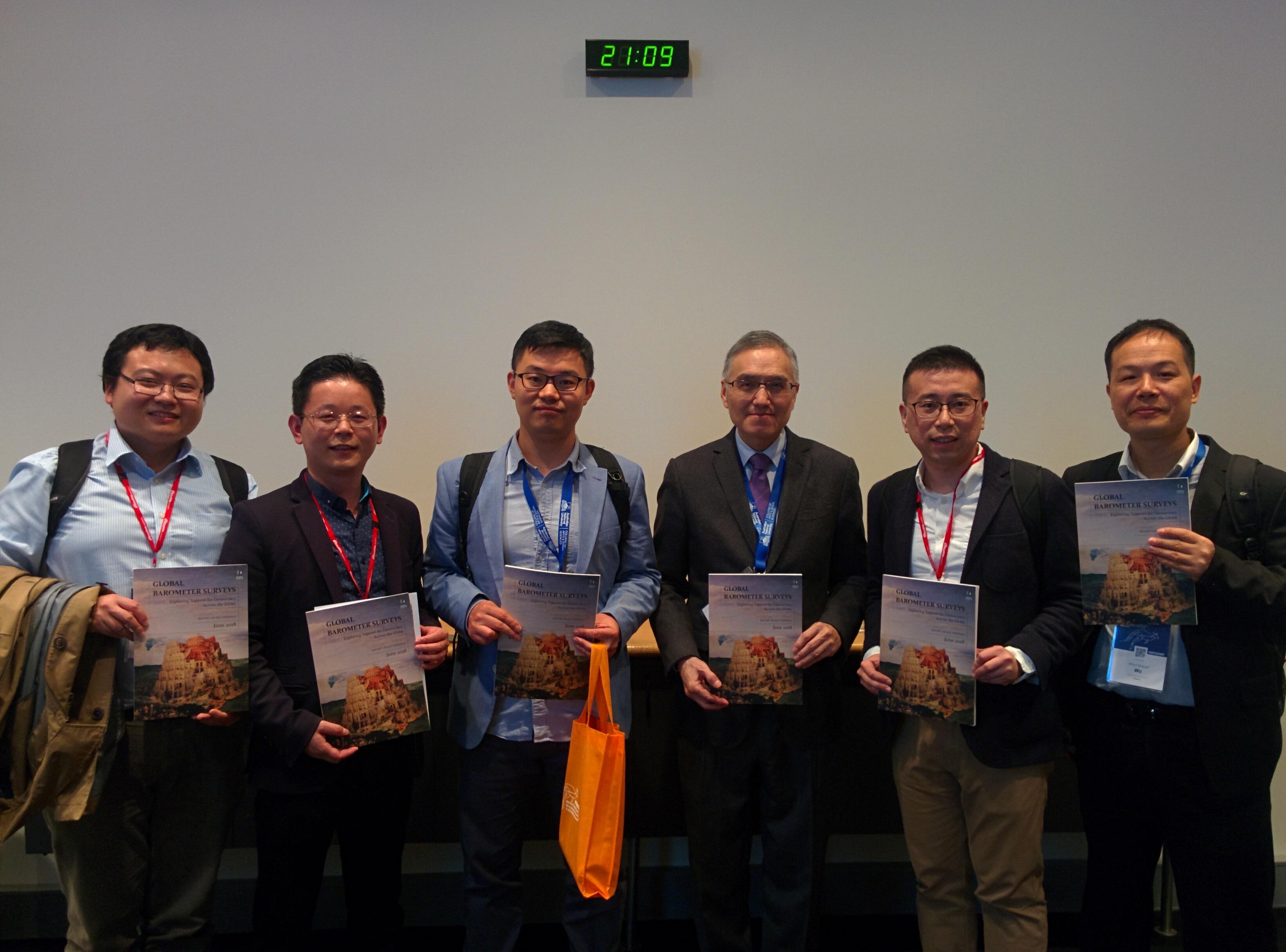
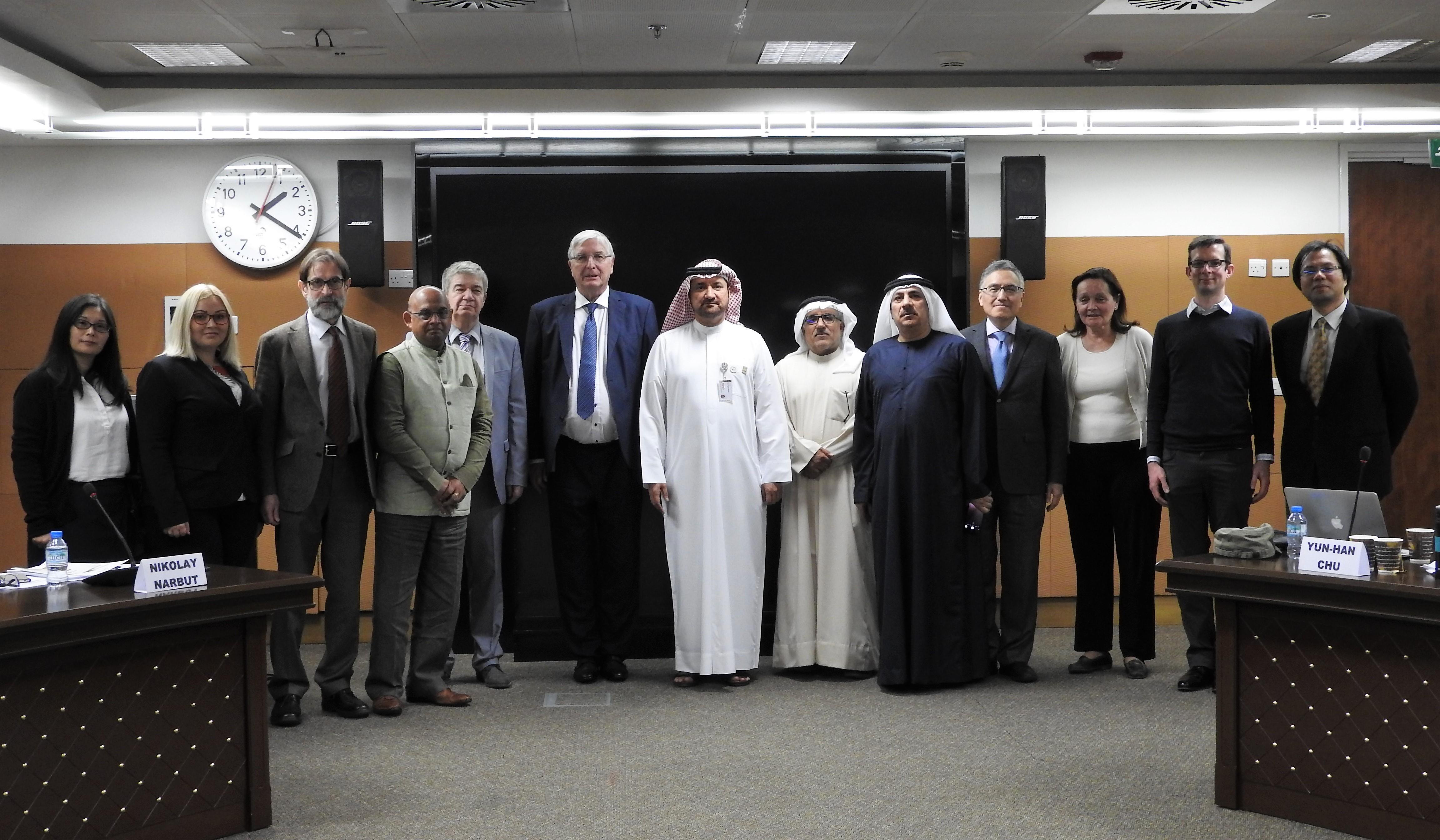
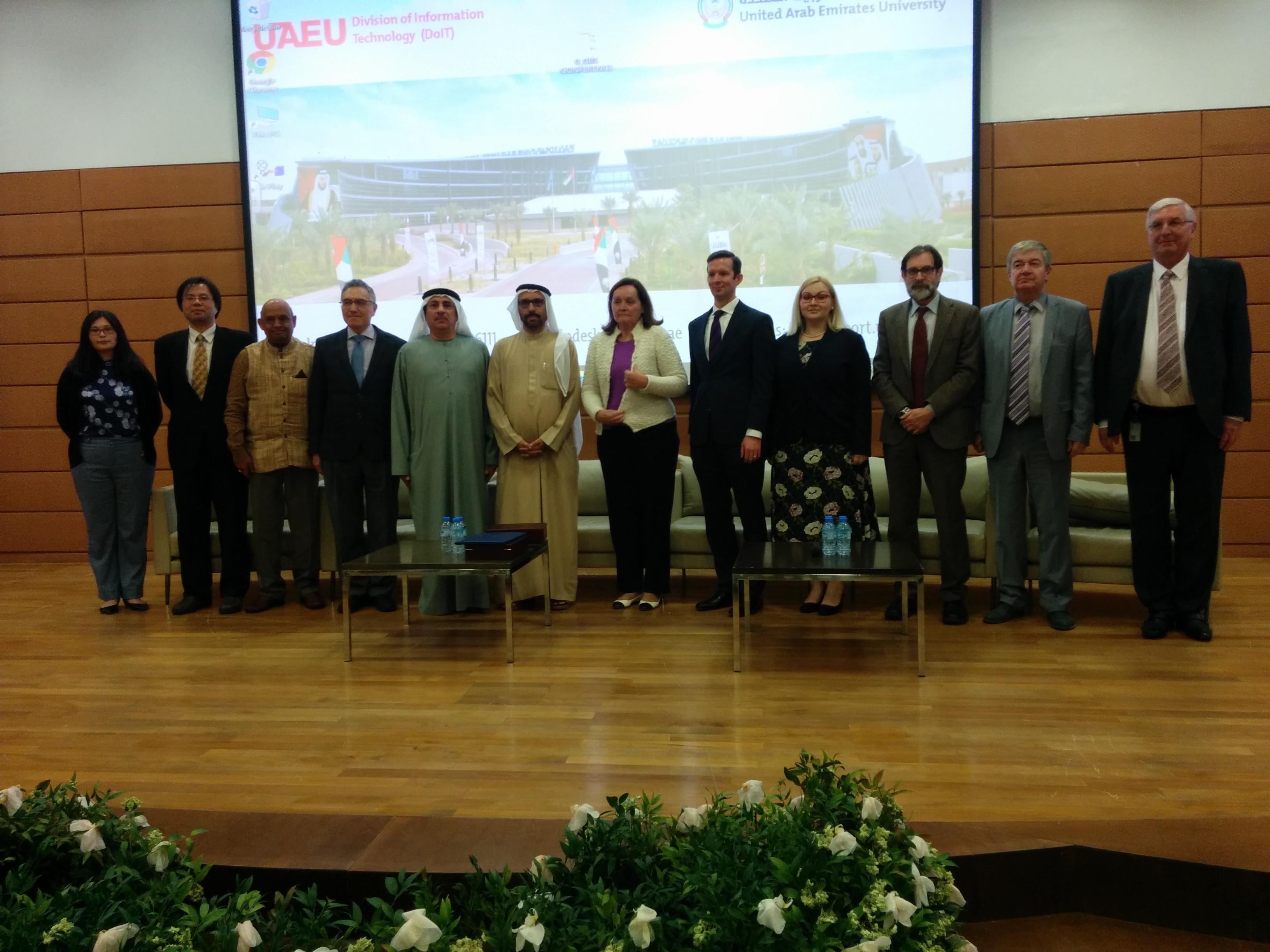
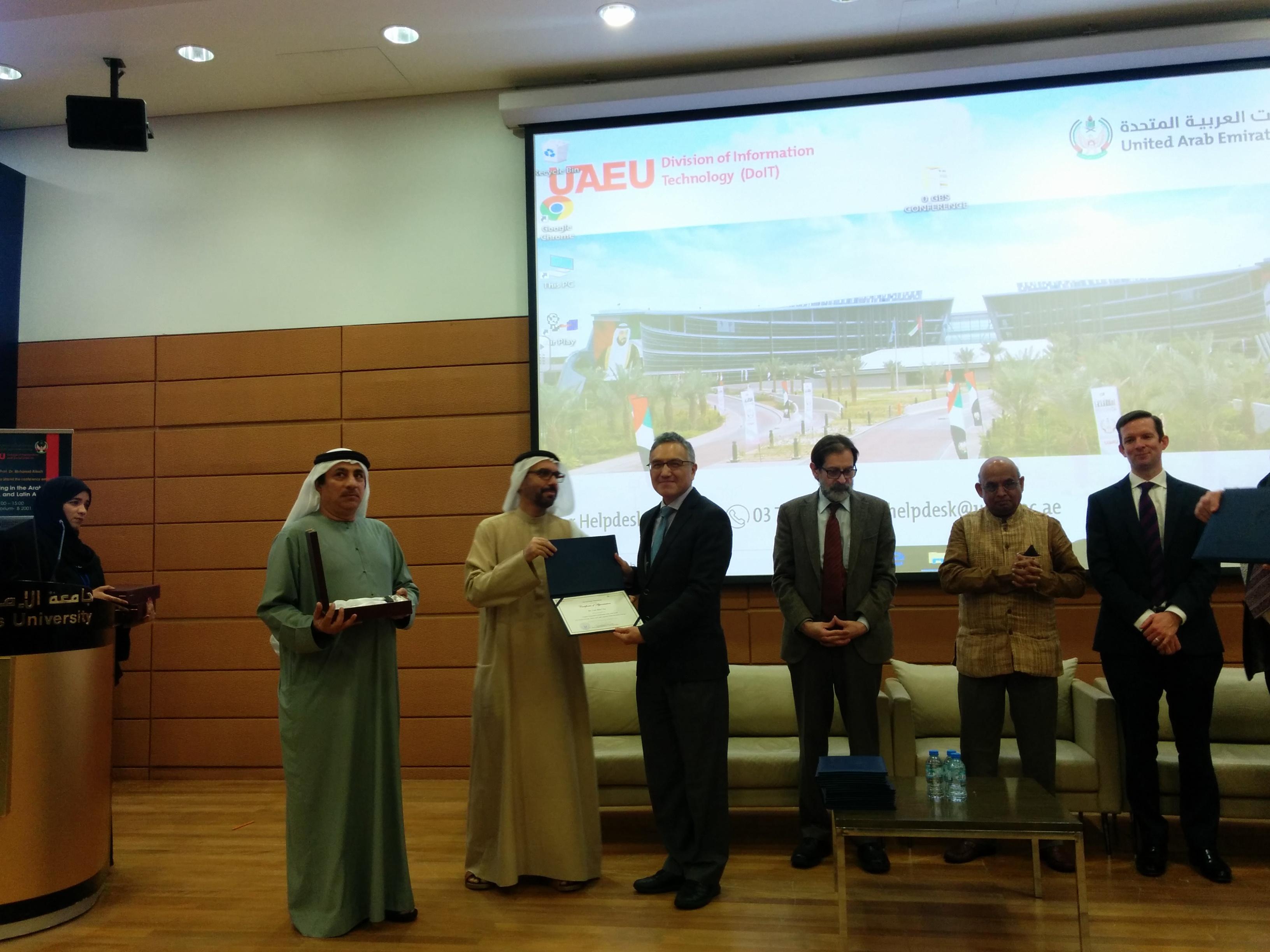
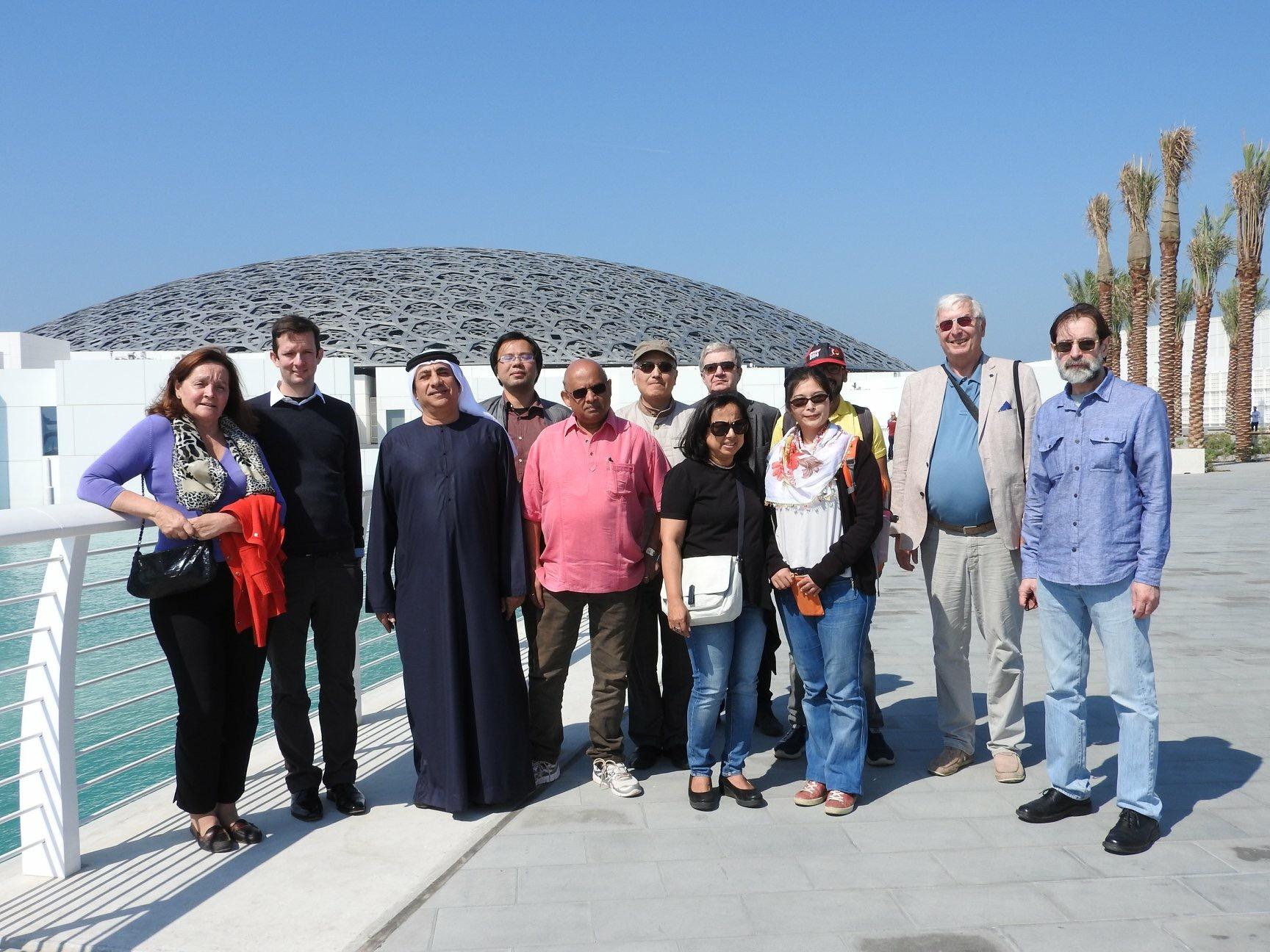
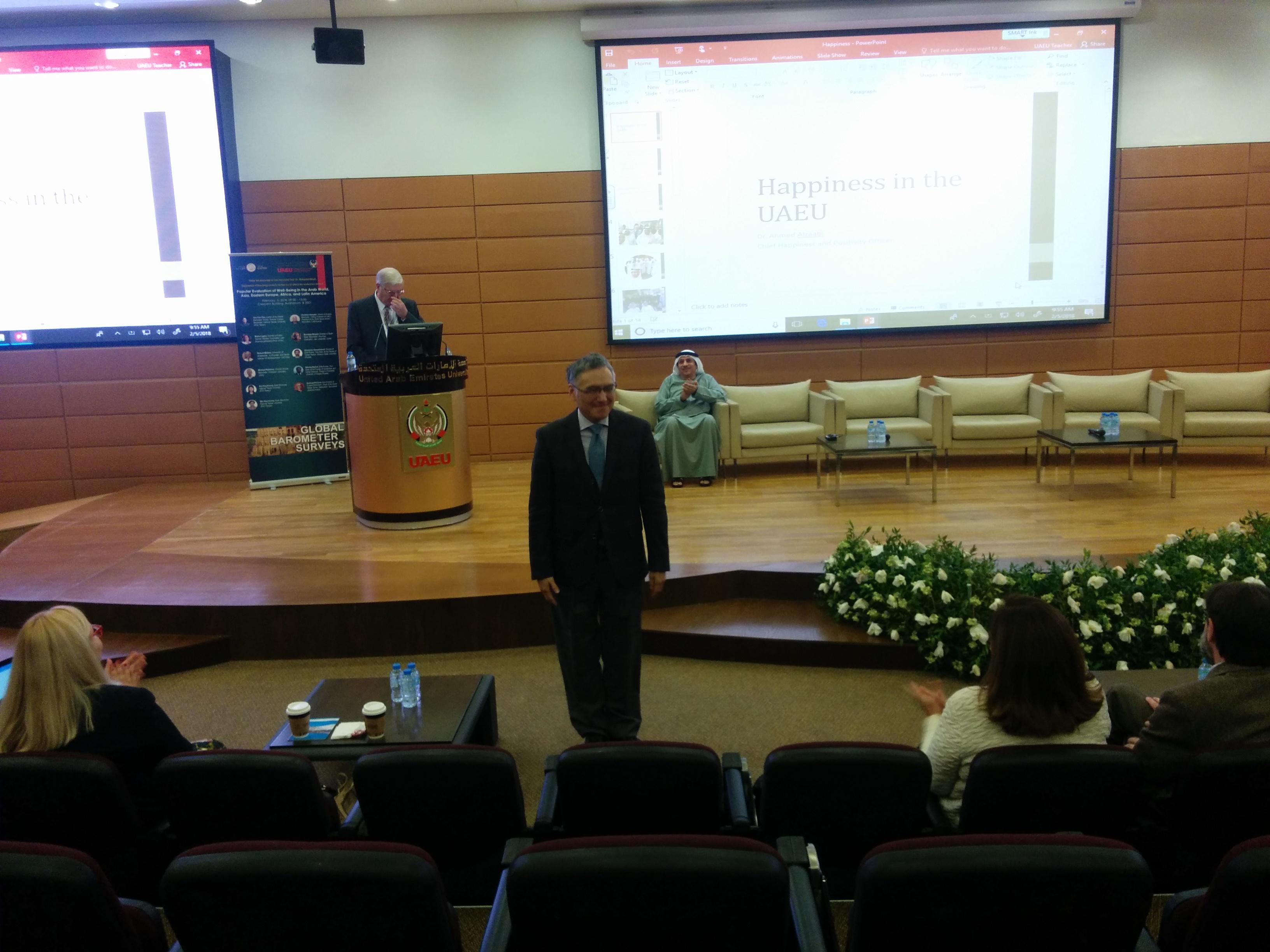
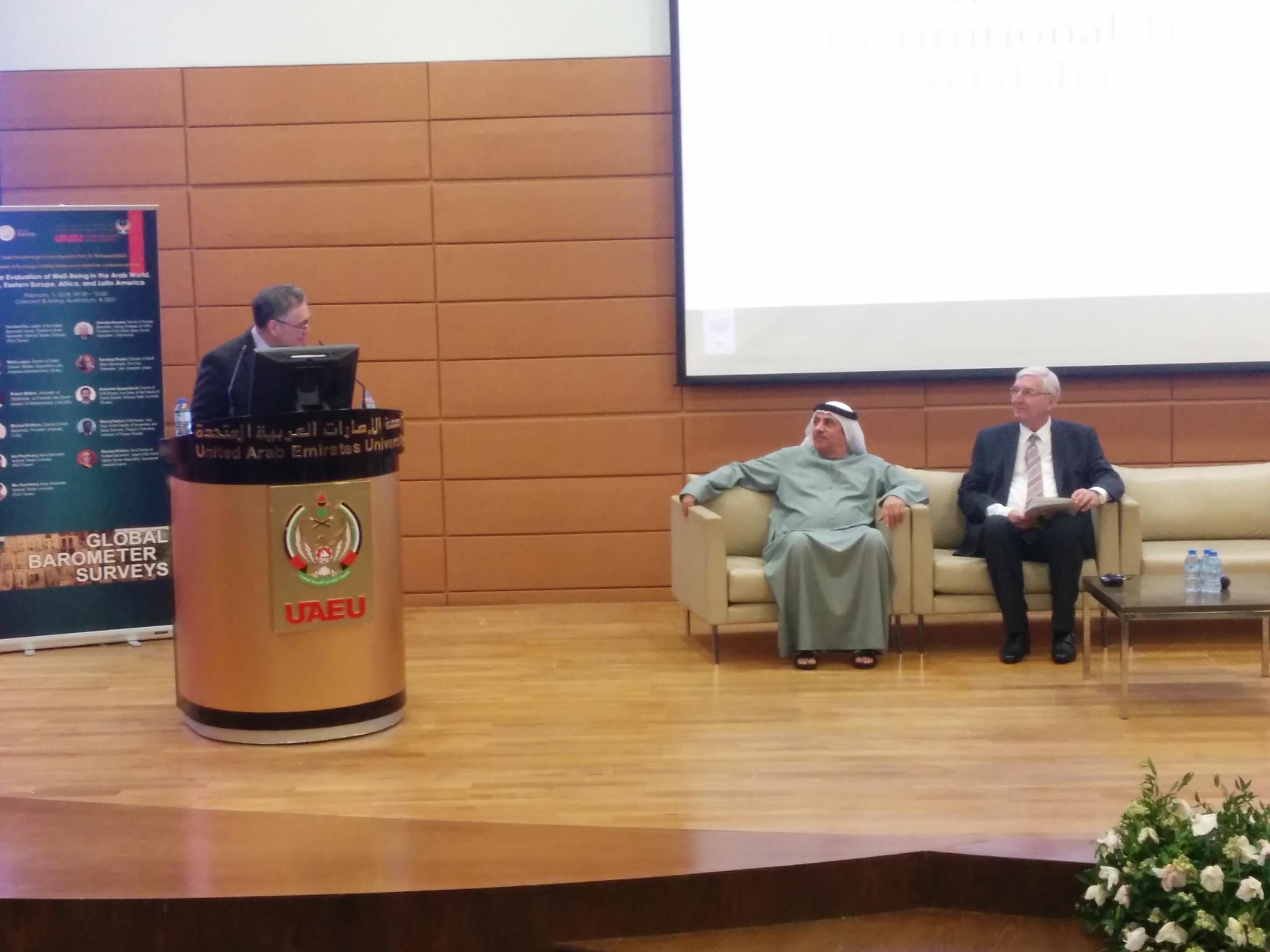
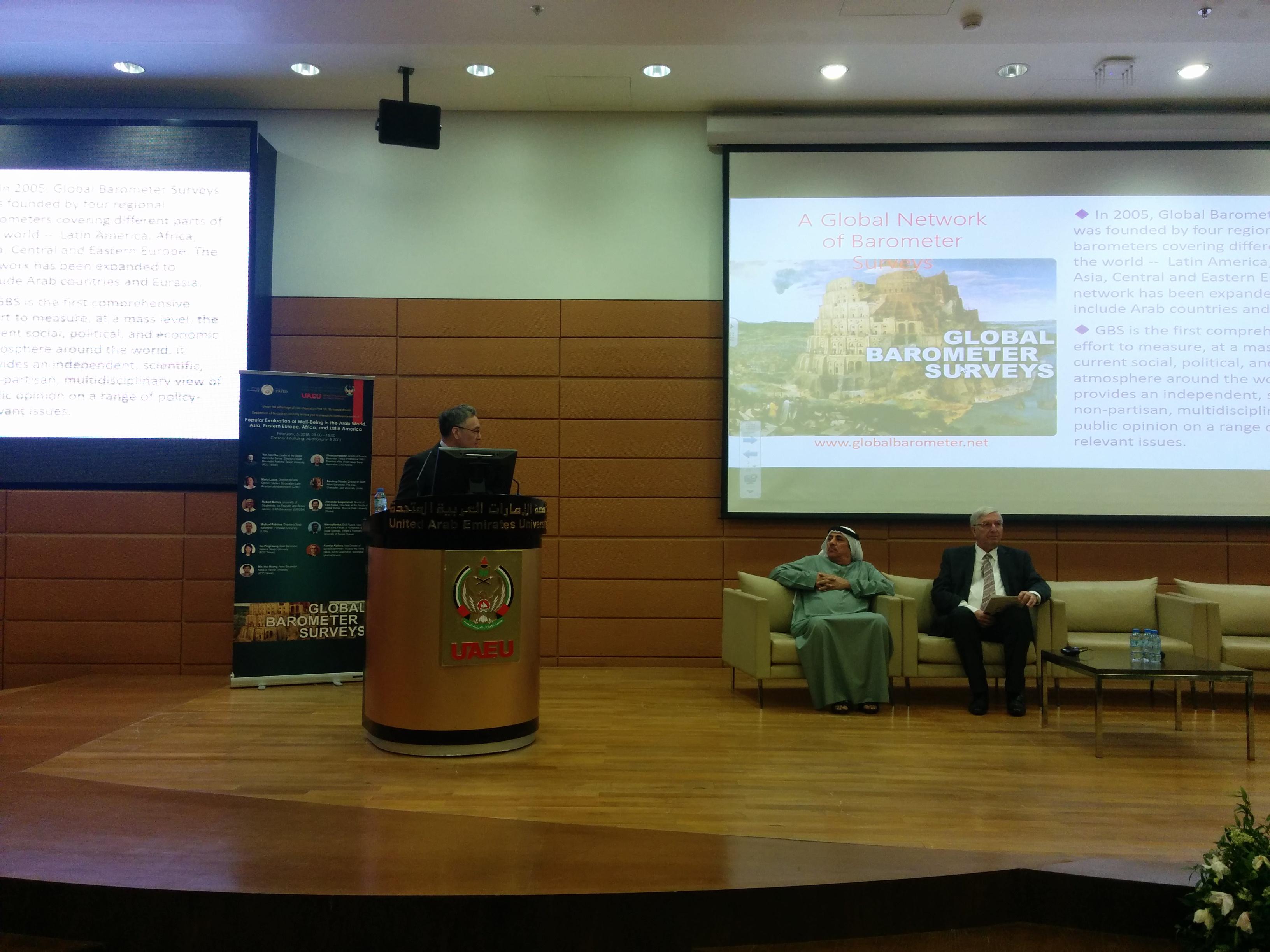
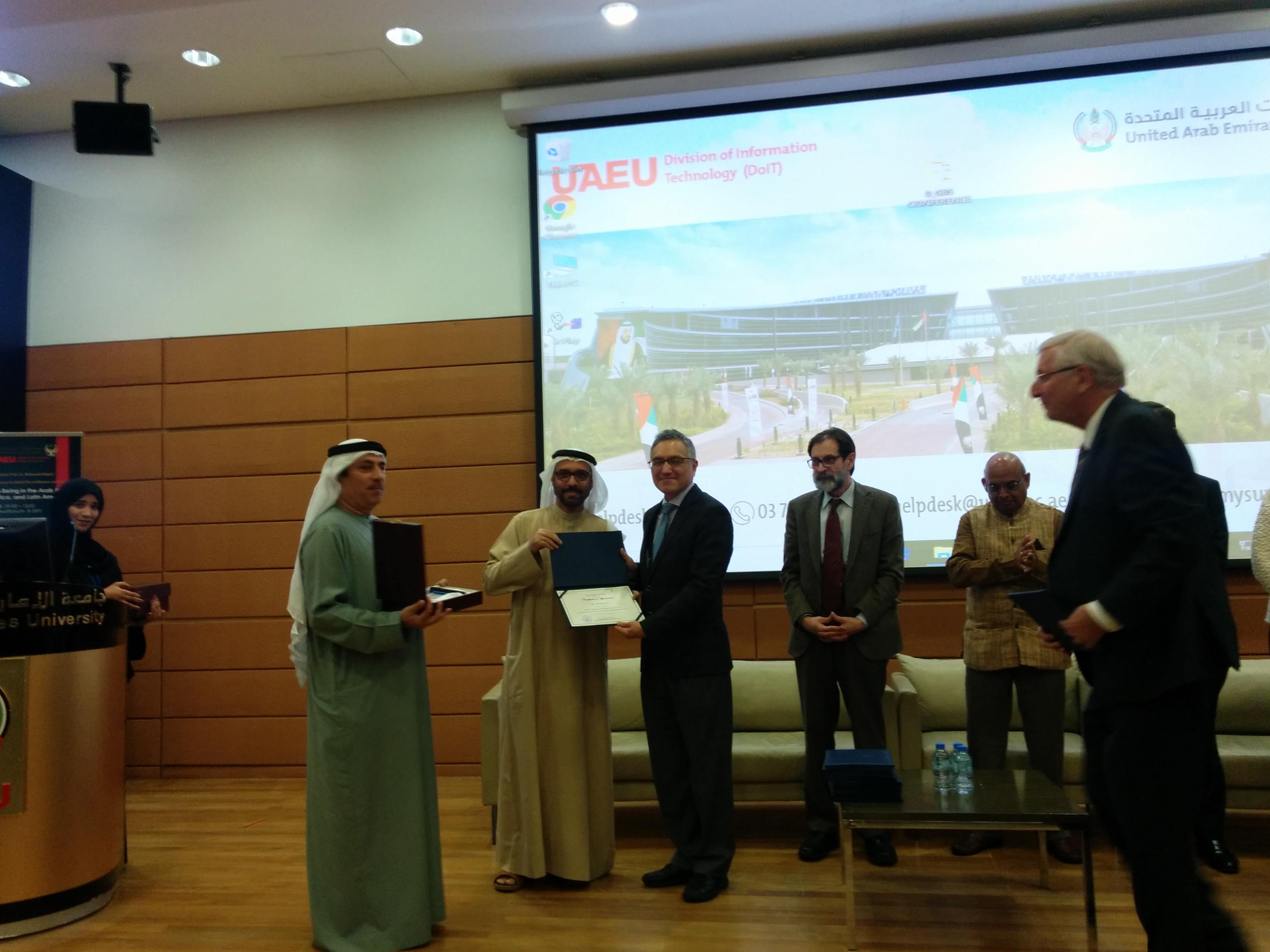
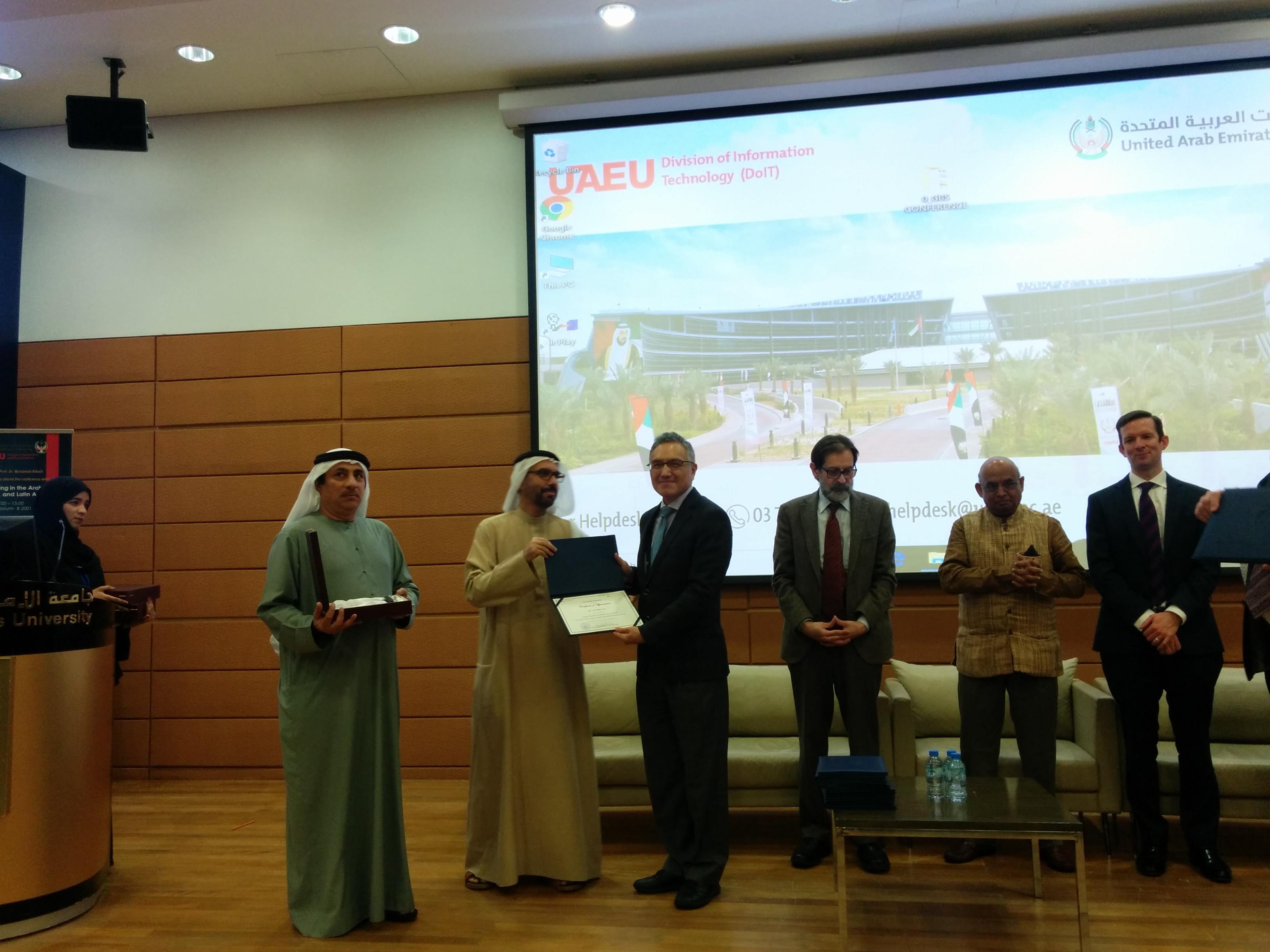
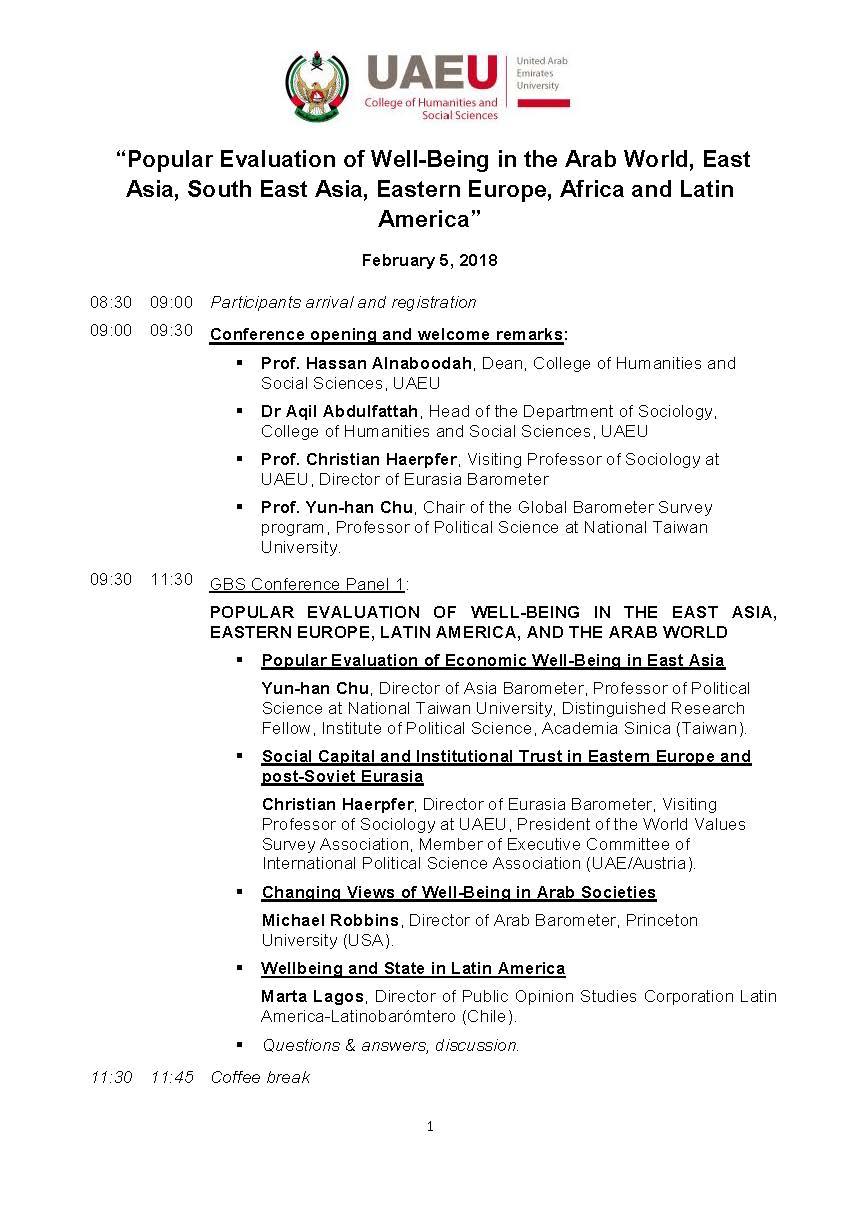
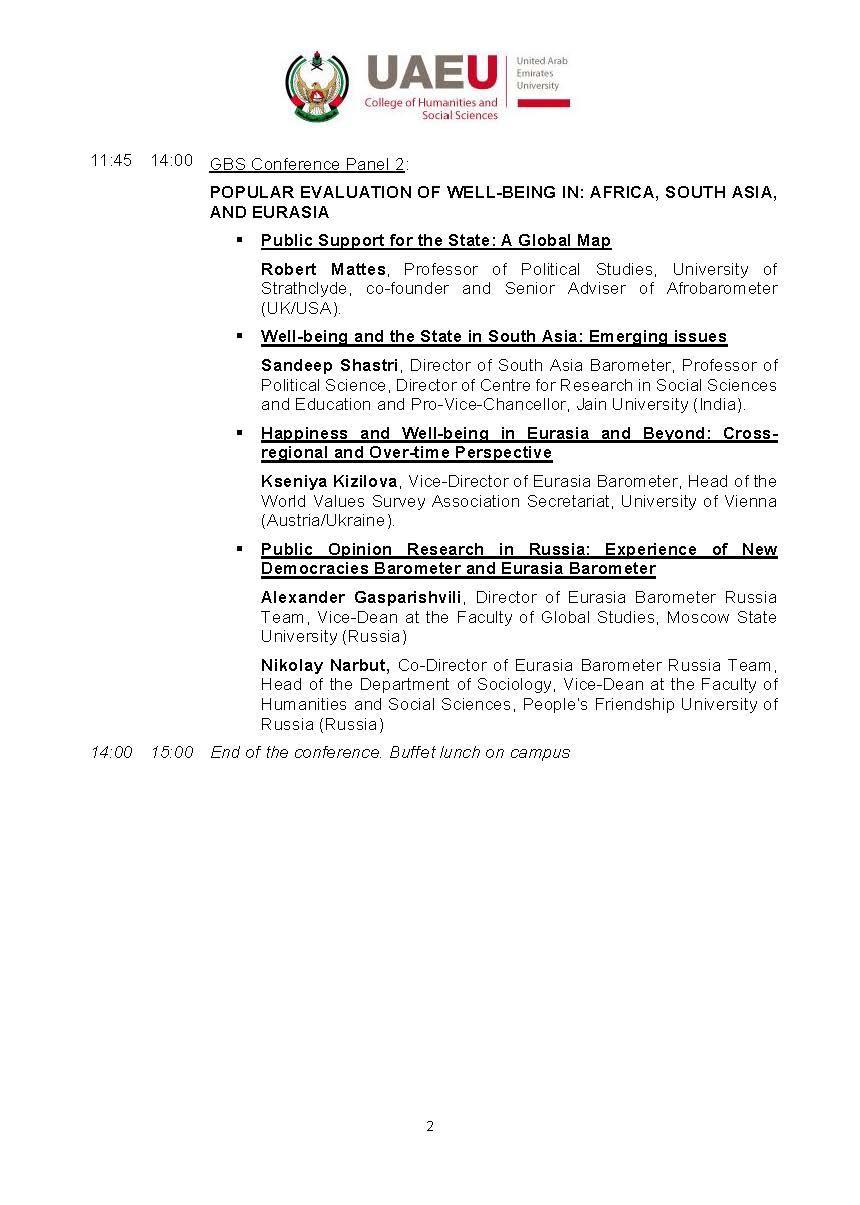
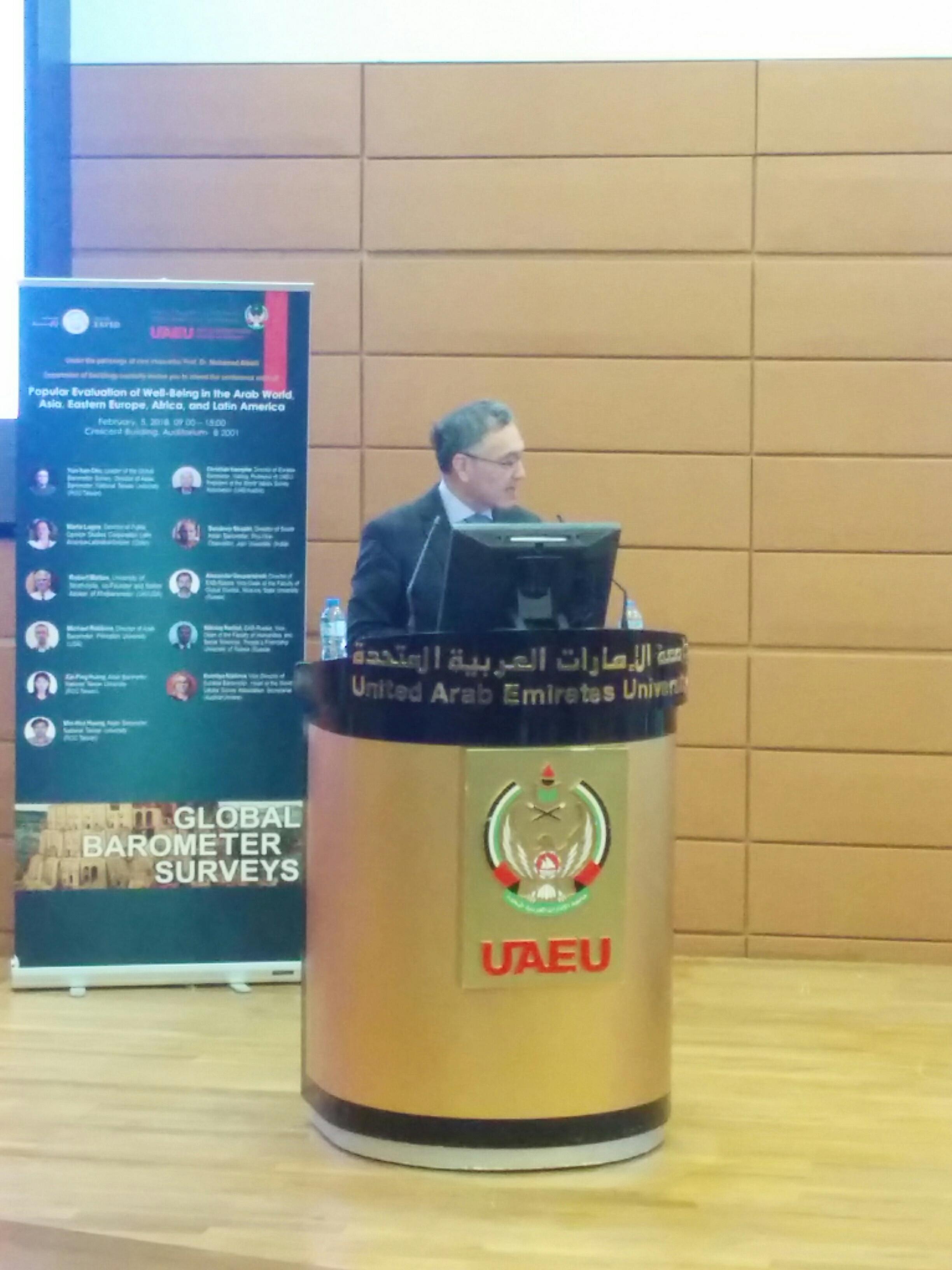
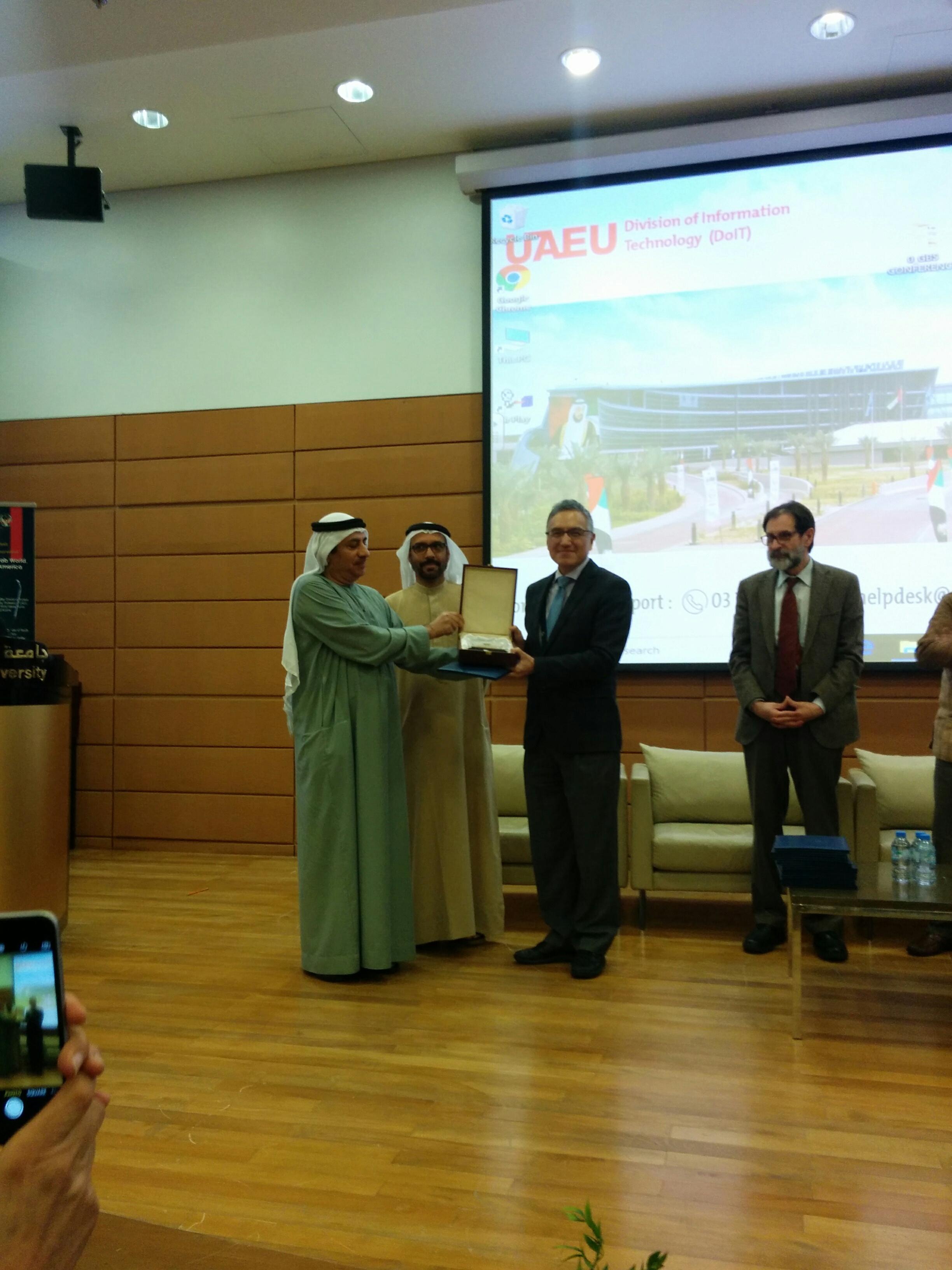
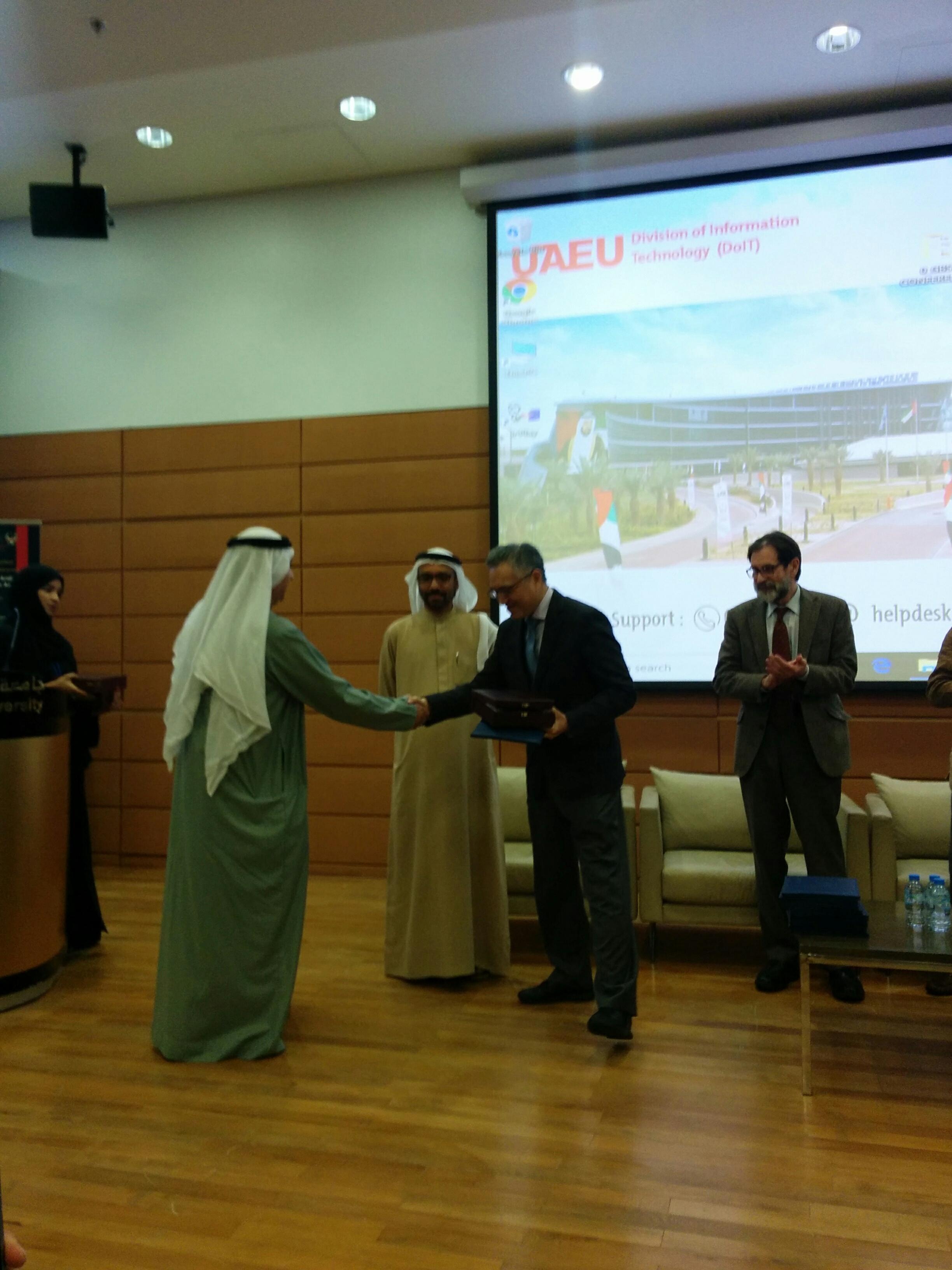
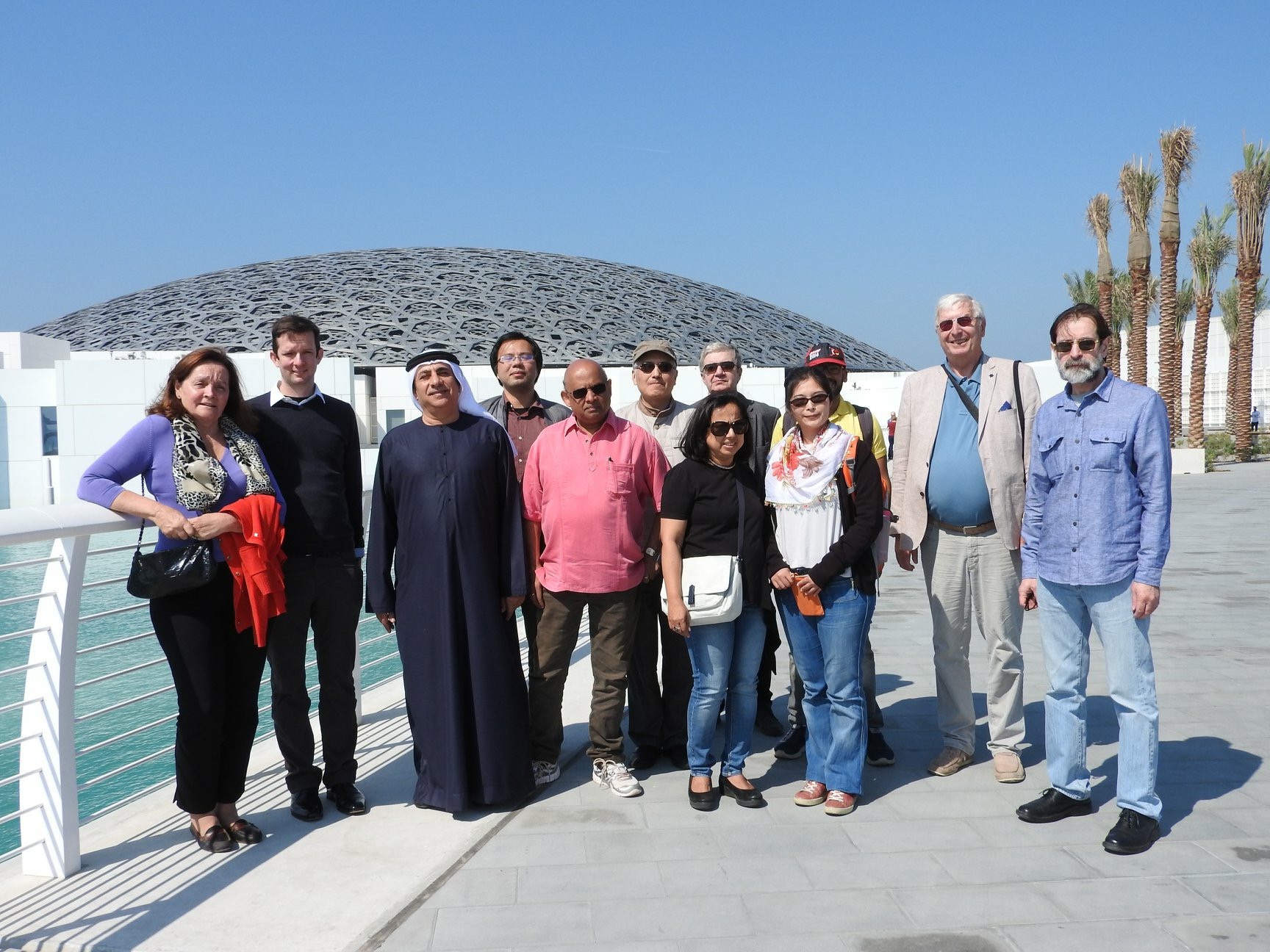
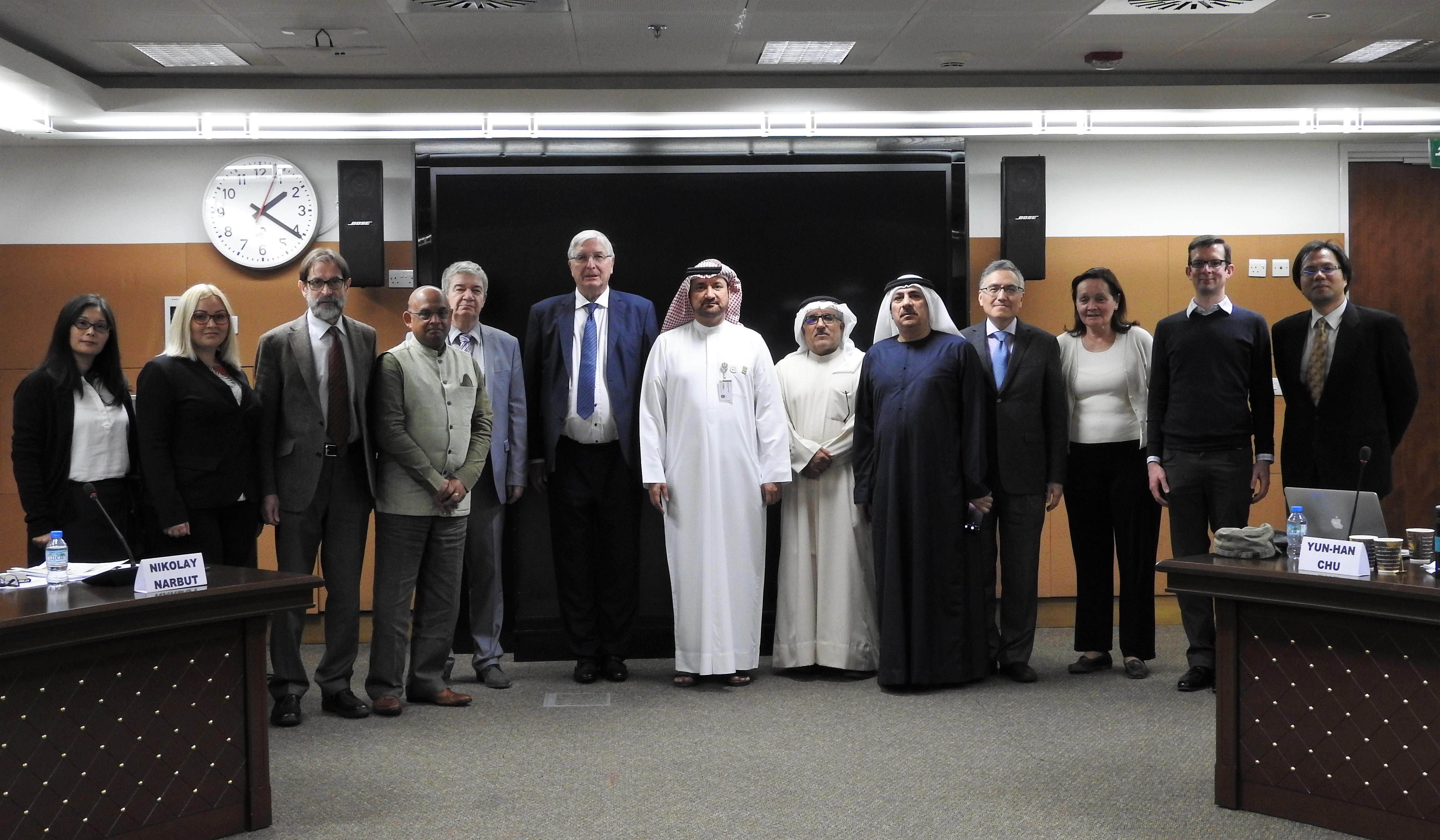
GBS Conference on “Popular Evaluation of Well-Being in the Arab World, East Asia, South East Asia, Eastern Europe, Africa and Latin America” was held in United Arab Emirates University on Feb 4-6, 2018. The conference was co-organized by Center for East Asia Democratic Studies, NTU and United Arab Emirates University.
Fair Winds Foundation has invited notable scholar Dr. Francis Fukuyama, Olivier Nomellini Senior Fellow at the Freeman Spogli Institute for International Studies at Stanford University, to visit Taiwan and speak at an April event in Taipei on April 14-15, 2017. The forum had Fukuyama share his insights and research on the difficulties of democratic governance.
Francis Fukuyama is Olivier Nomellini Senior Fellow at the Freeman Spogli Institute for International Studies (FSI), and the Mosbacher Director of FSI's Center on Democracy, Development, and the Rule of Law. He is professor (by courtesy) of political science.
On April 15, Fair Winds Foundation also has invited Professor Yun-han Chu, Academician, Academia Sinica and Director of Asian Barometer Survey of National Taiwan University, as the speaker at the forum on The Sino-American Competition and Its Impact.
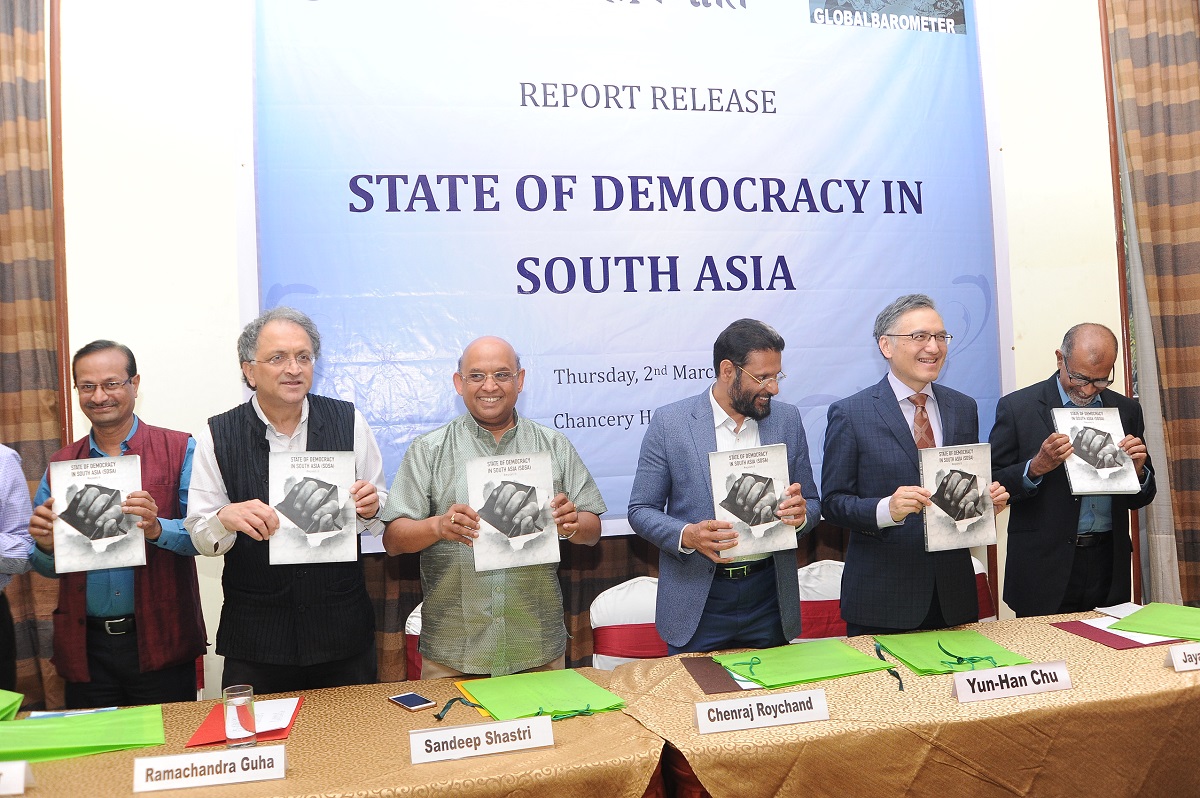
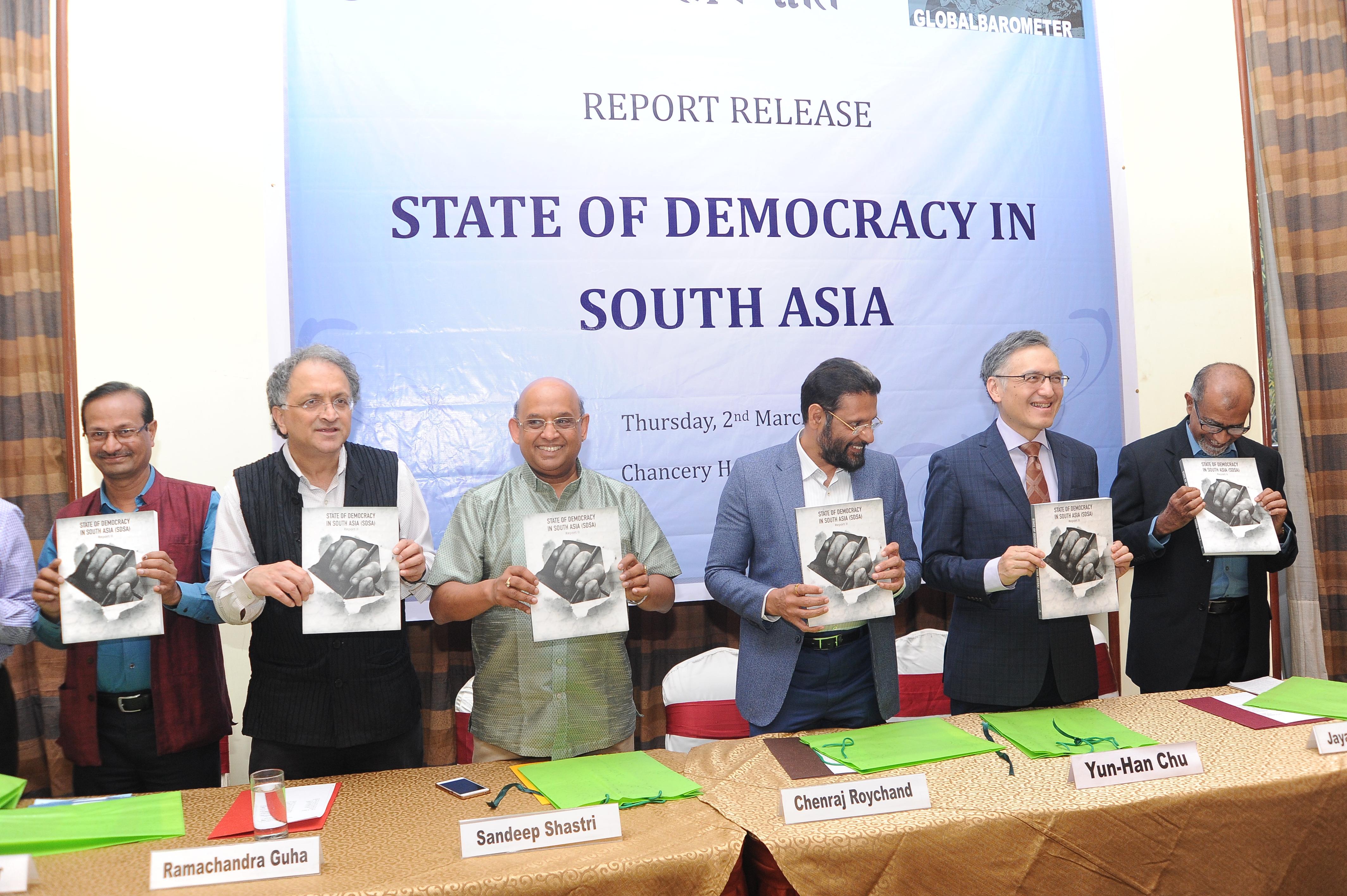
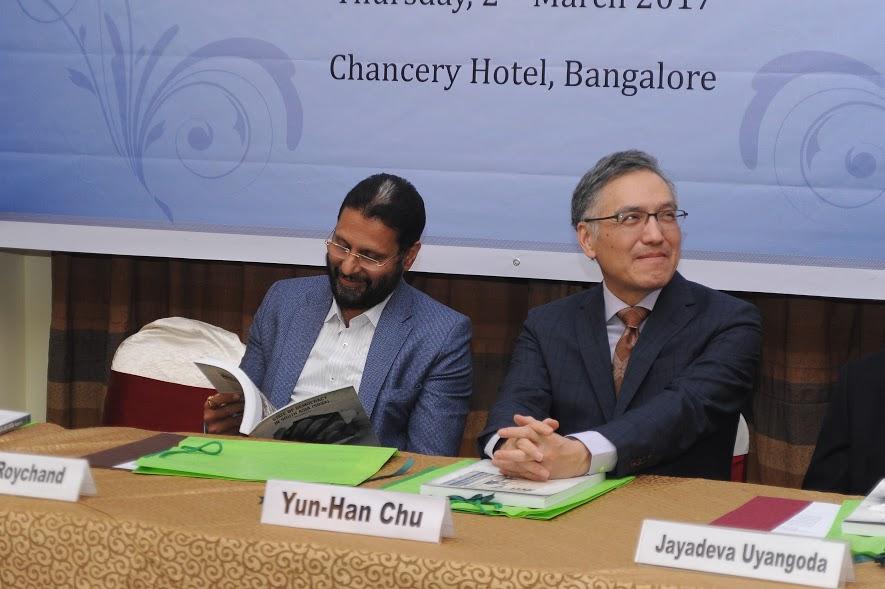
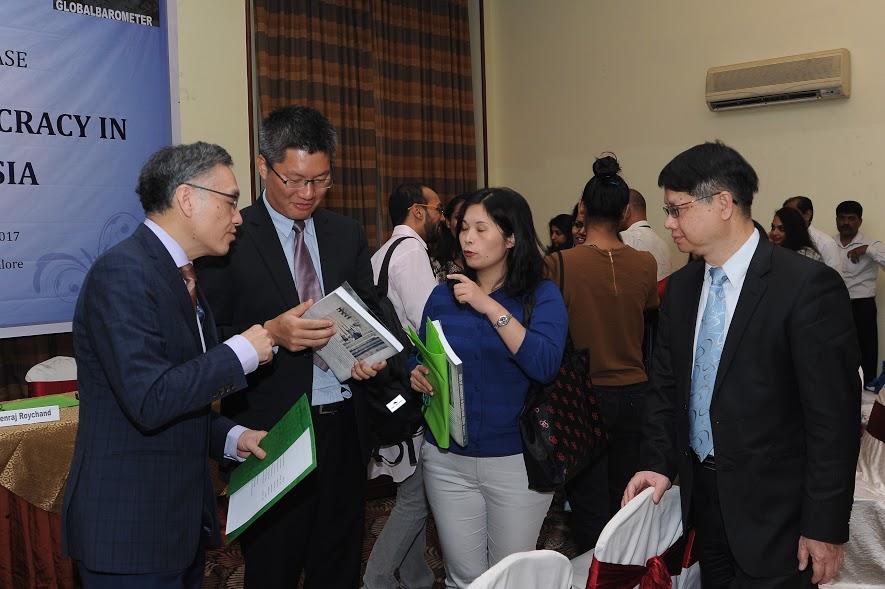
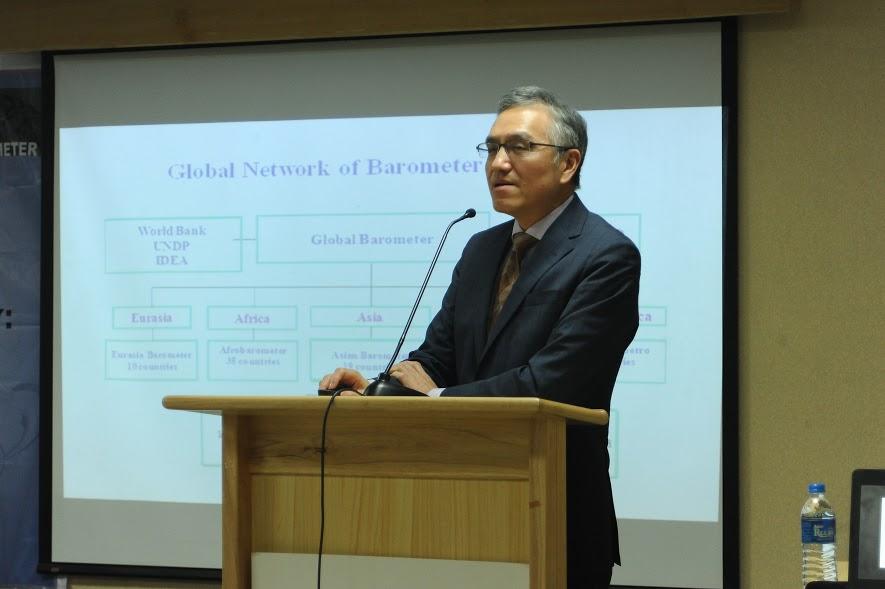
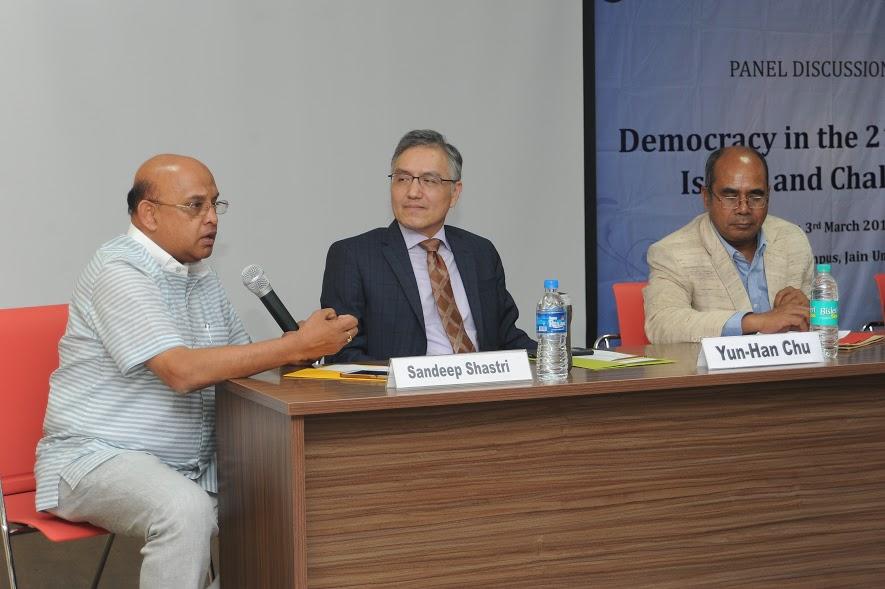
A Global Barometer Surveys workshop was held at Bangalore in India between March 2 and March 3, 2017. At this conference, scholars shared and discussed the overview of the State of Democracy in South Asia Barometer report, political performance, and further discussed the Global Barometer Survey Publication Book Project.
Professor Yun-han Chu, Director, Asian Barometer Survey; Distinguished Research Fellow, Institute of Political Science at Academia Sinica; and Professor, Department of Political Science, National Taiwan University was elected a new fellow of the World Academy of Sciences (TWAS) at the Academy's 27th General Meeting in Kigali, Rwanda.
Professor Yun-han Chu is a world-renowned scholar of democratization and East Asian political economy and a pioneer in developing theories and methods for studying the consolidation of young democracies through survey research. He launched the Asian Barometer Survey, the region’s first and foremost comparative survey.
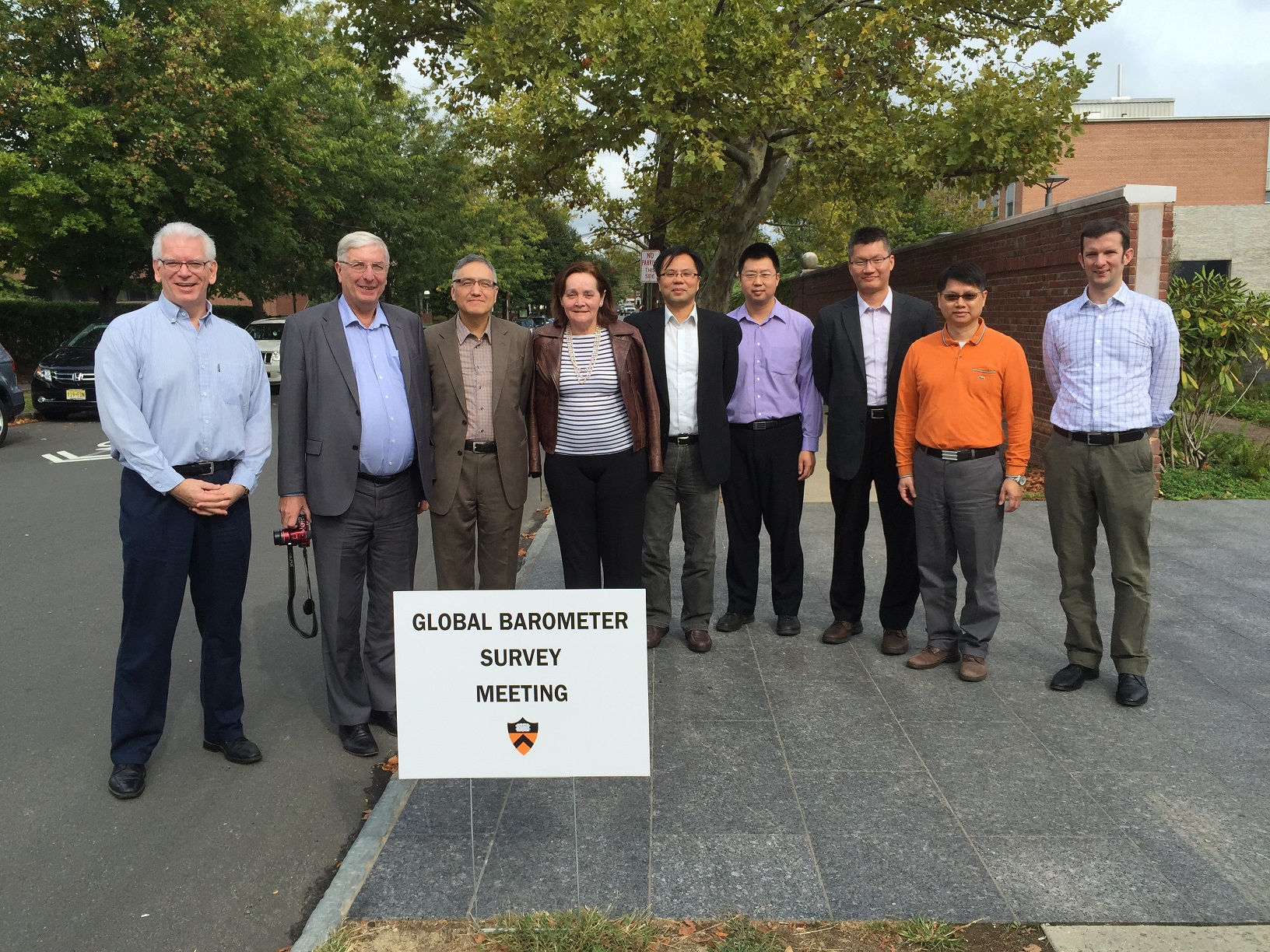
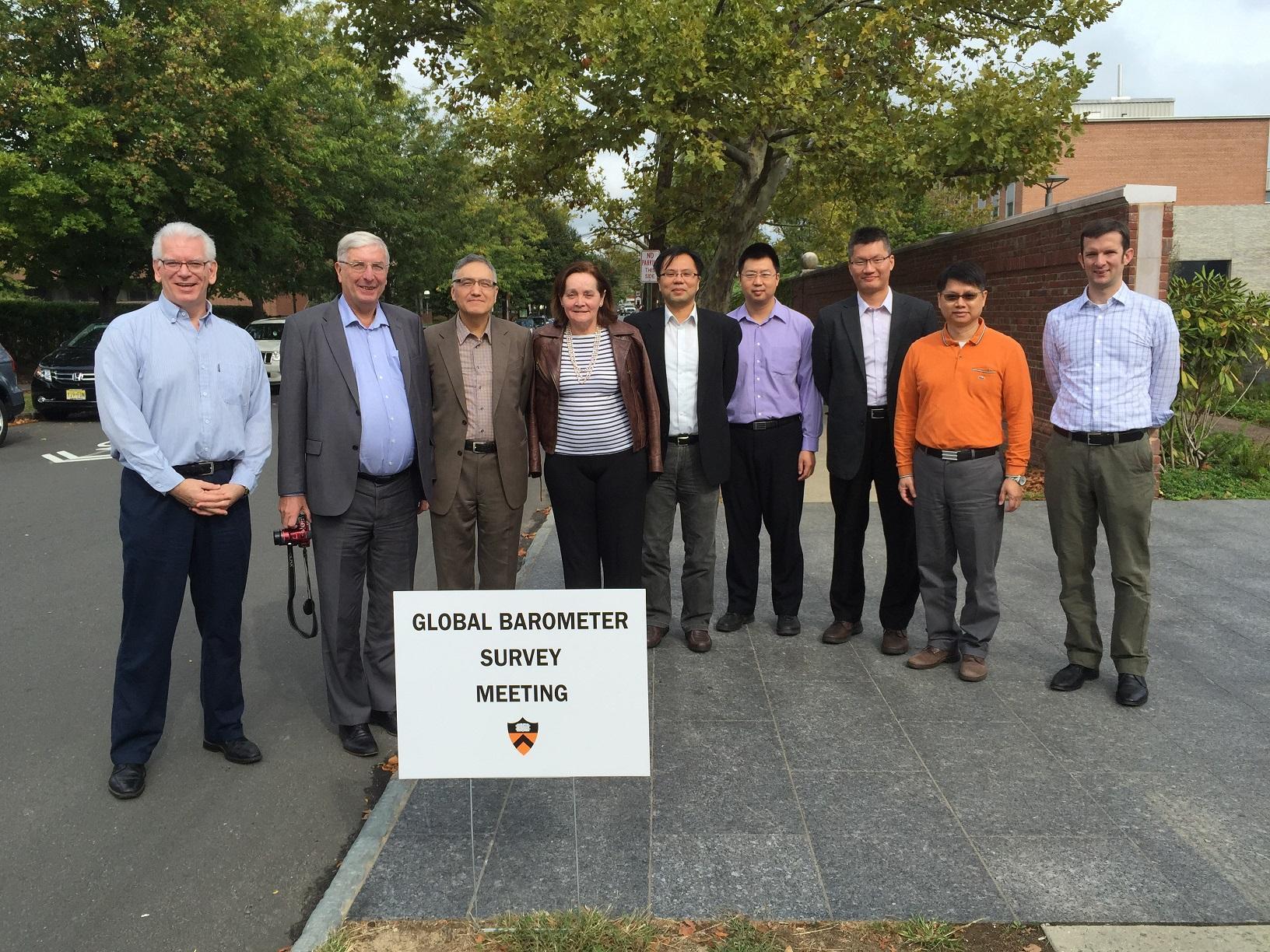
The GBS held a workshop on at Princeton University, USA, on 27-28 September 2016. At this conference, scholars discussed democratic participation, popular understandings of democracy, demand for democracy, political performance, and economic performance around the world.
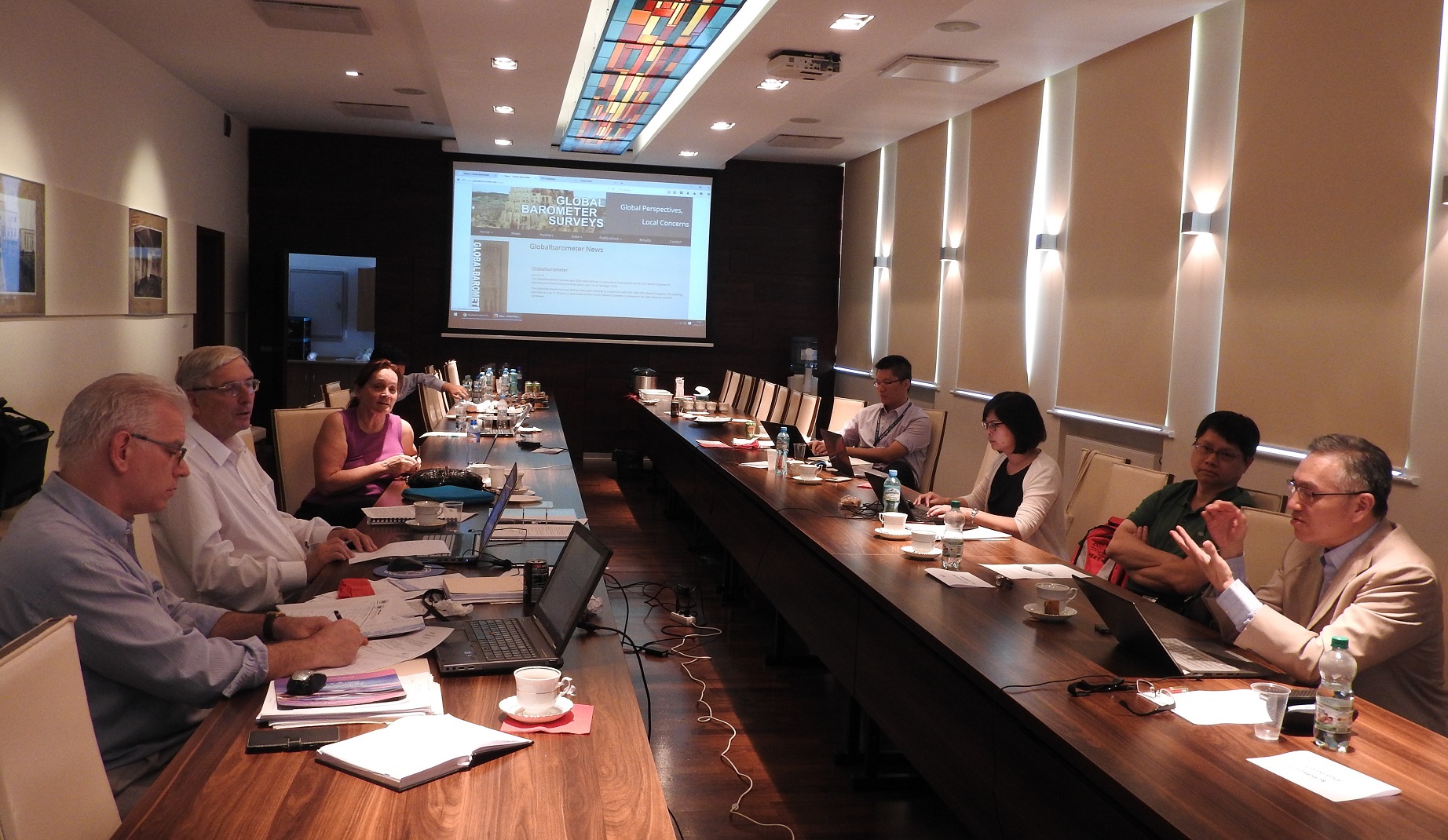
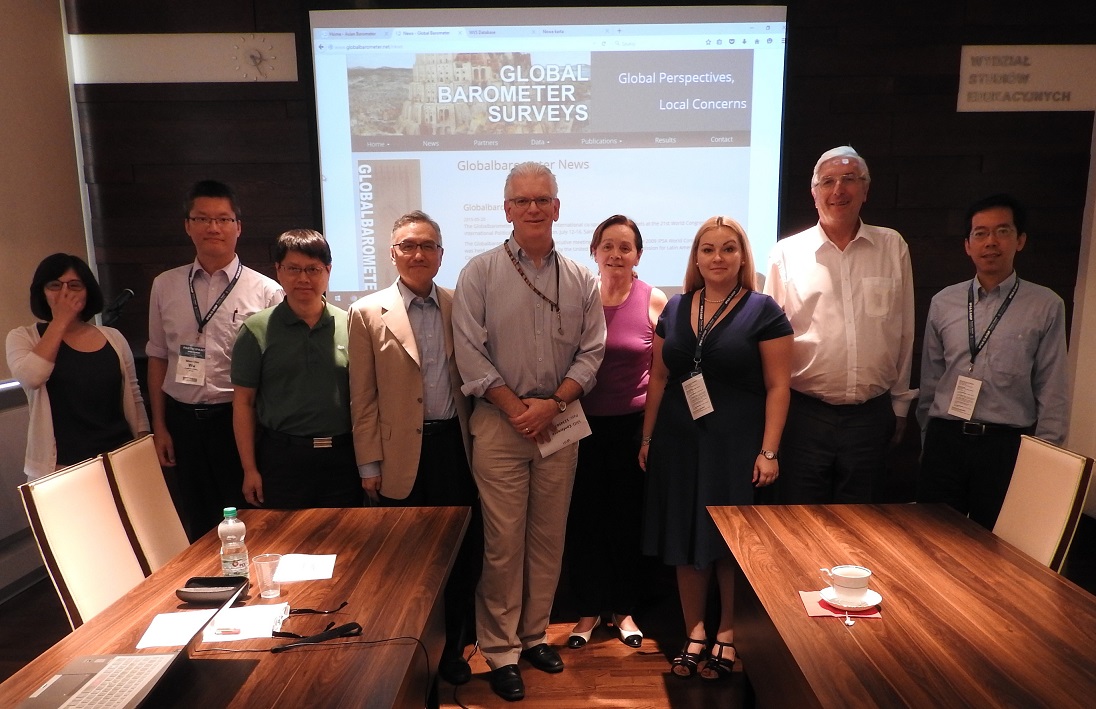
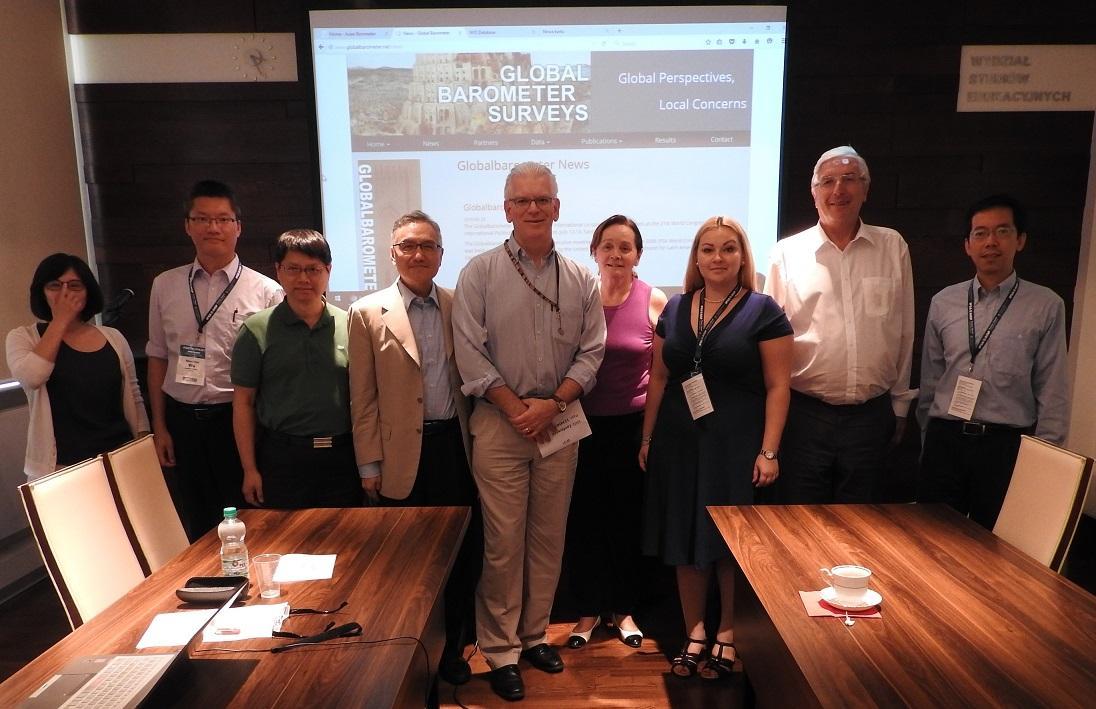
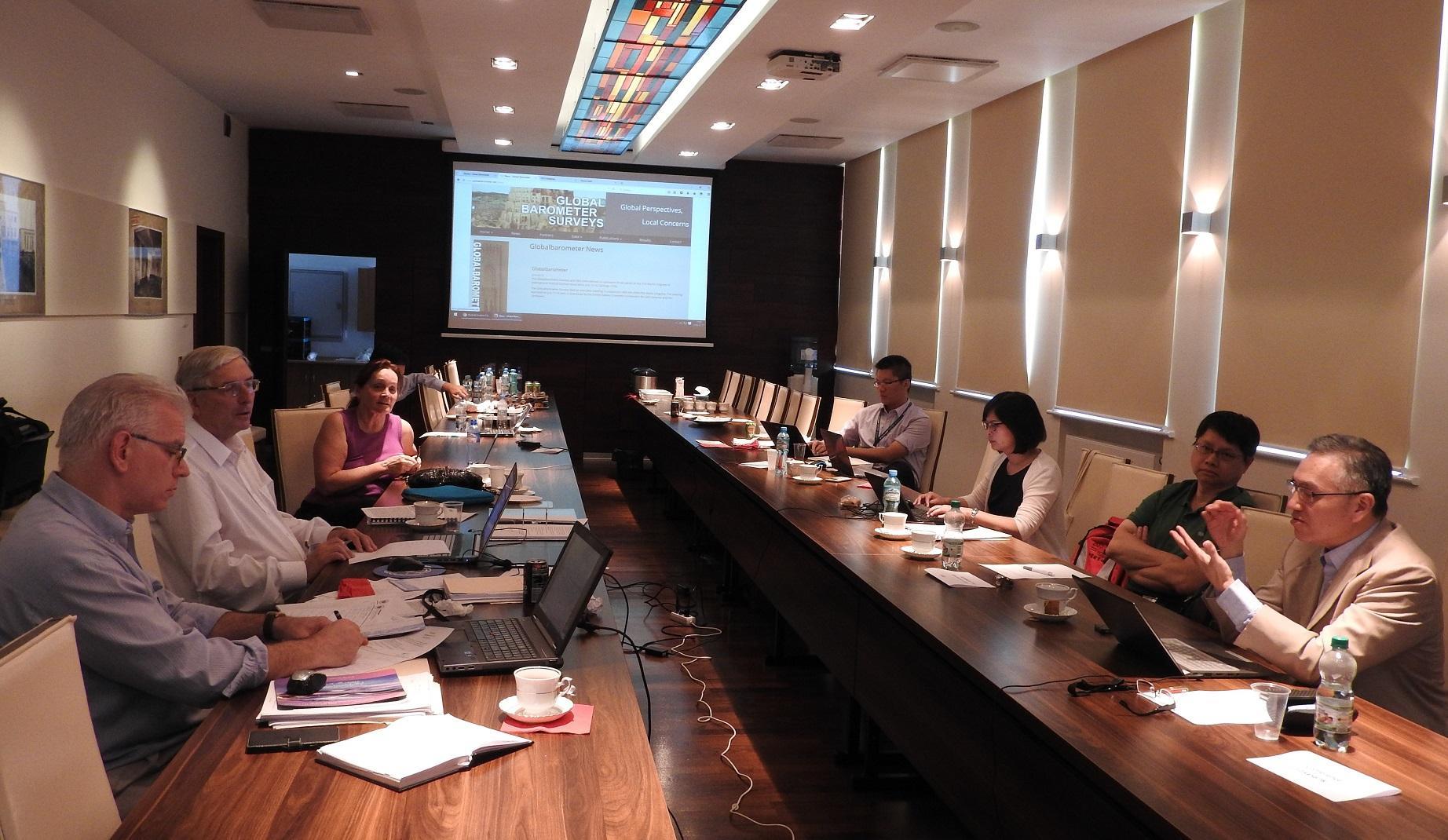
The GBS organizes three panels at the 24th World Congress of International Political Science Association (IPSA), July 23-28, 2016, Poznan, Poland. In conjunction with the IPSA meeting, the GBS held a workshop at Adam Mickiewicz University July 27 and discussed a collective book project titled People and Democracy in the Developing World: Citizenship in the Early 21st Century.
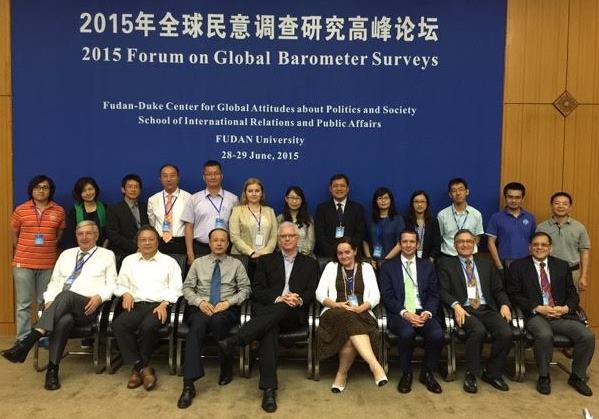
The 2015 Forum on Global Barometer Surveys hosted by the Fudan-Duke Center for Global Attitudes about Politics and Society at Fudan University in Shanghai. Director of Eurasia Barometer Prof. Christian Haerpfer made presentation on “Value systems and Value Change in Mainland China: Analysis of the World Value Survey in Mainland China 1990 – 2012” and a presentation on "Political Capital and Trust in Political Institutions in Post-Soviet Eurasia: Analysis of Eurasia Barometer and World Values Survey 1994 – 2013" which included findings of Eurasia Barometer surveys and the World Values Survey. Vice-Director of Eurasia Barometer Kseniya Kizilova presented findings of Eurasia Barometer survey in a presentation on “Support for Different Political Regimes in New Independent States: 1994 – 2014” and a presentation on the “Image of Mainland China in the Countries of Middle East and North Africa”. The Forum was followed by a Eurasia Barometer Consortium presentation at the conference “Belt and Road Initiatives: Public Opinion Survey and the Image of Mainland China” hosted by China Center for Contemporary World Studies in Beijing.
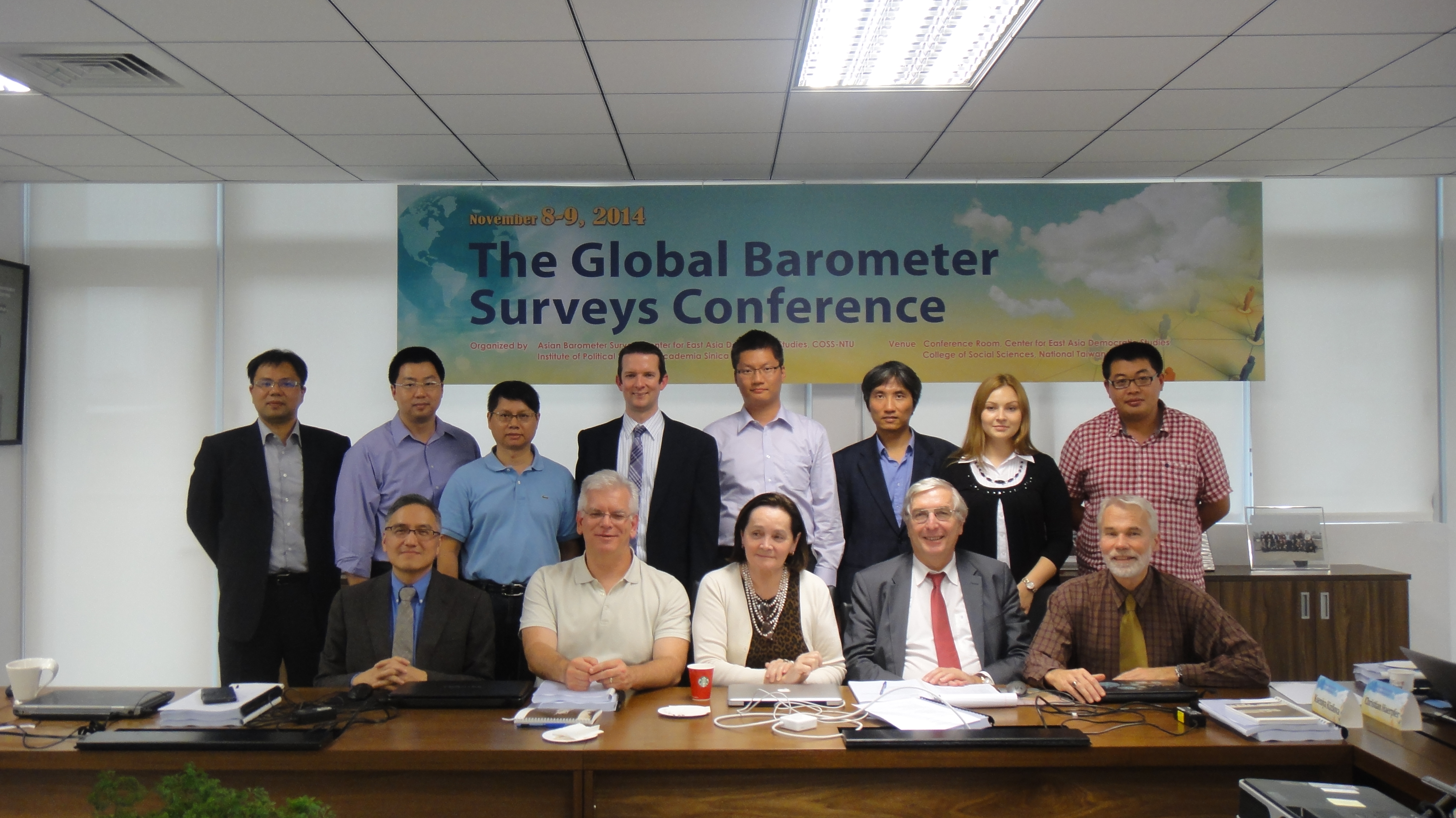
The conference included a thematic session on "How People Understand Democracy", moderated by Prof. Christian Haerpfer; list of speakers included Min-hua Huang (Asian Barometer), Marta Lagos (Latino Barometer), Robert Mattes (Afrobarometer), Michael Robbins (Arab Barometer). The second conference session was devoted to the "Regime Preference and Support for Democracy" and was moderated by Prof. Yun-han Chu. The list of speakers included Christian Haerpfer & Kseniya Kizilova (Eurasia Barometer), Marta Lagos (Latino Barometer), Michael Bratton (Afrobarometer), Michael Robbins (Arab Barometer). Also within the conference the Global Barometer Module was reviewed, and new topics were considered.
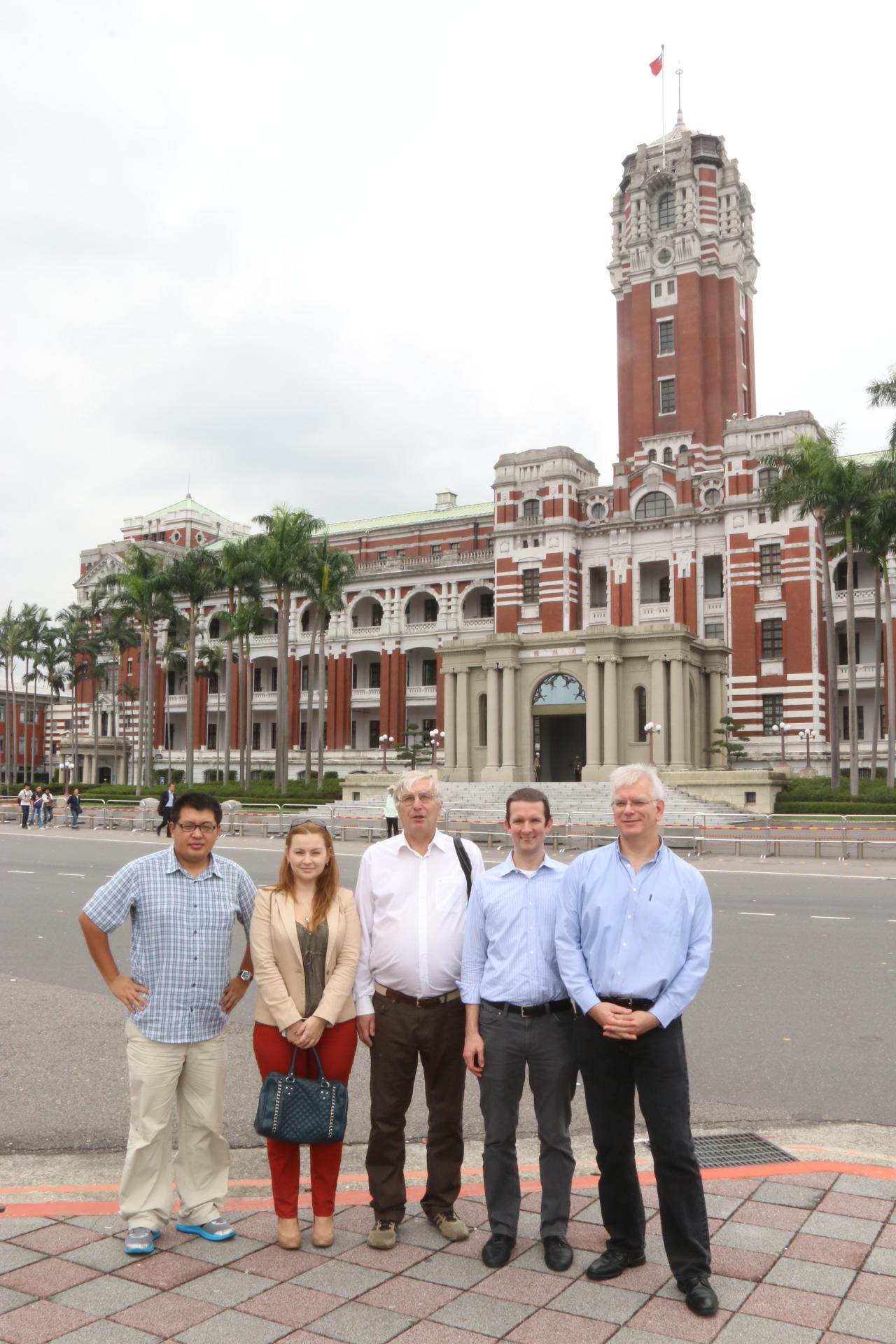
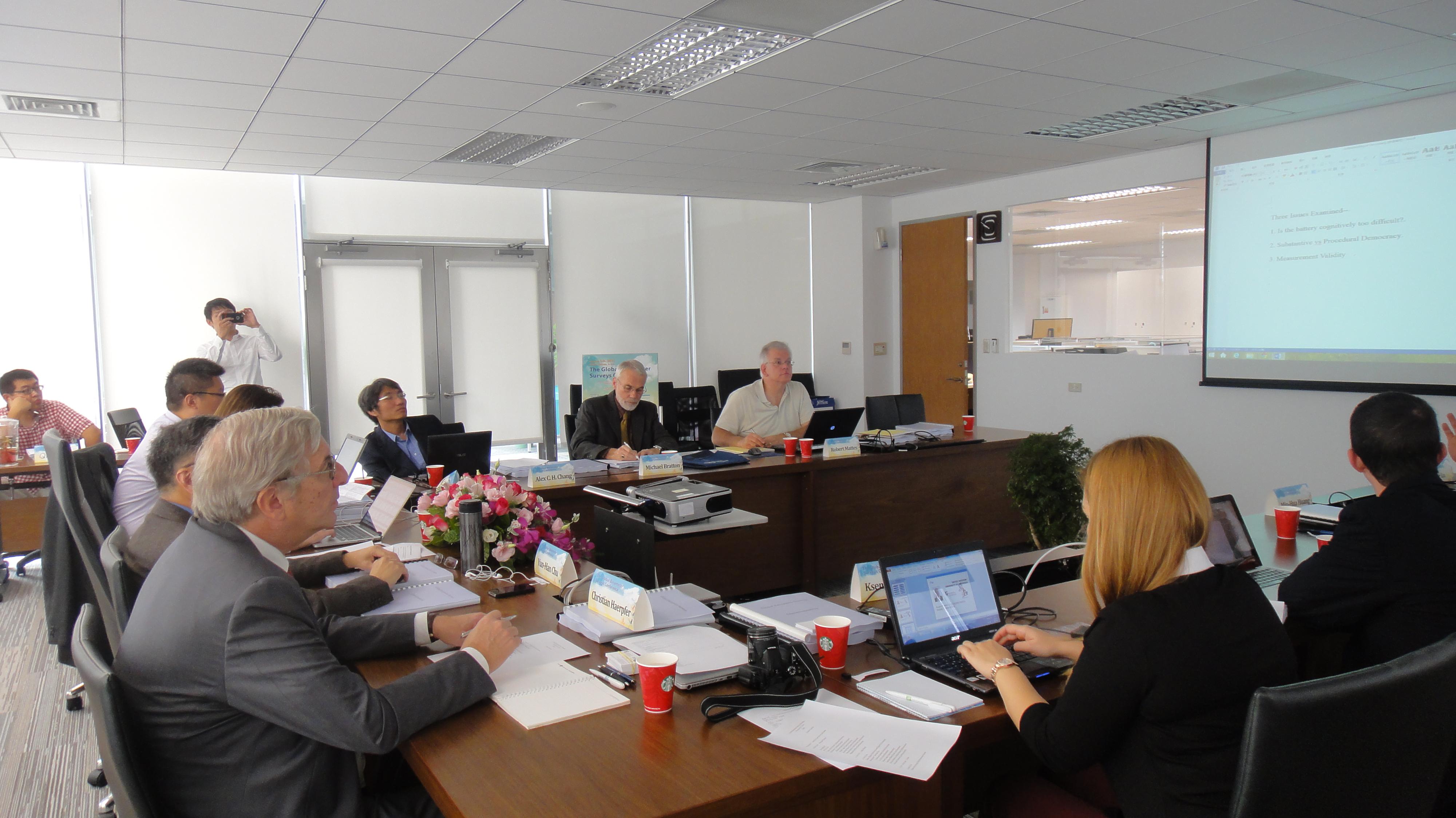
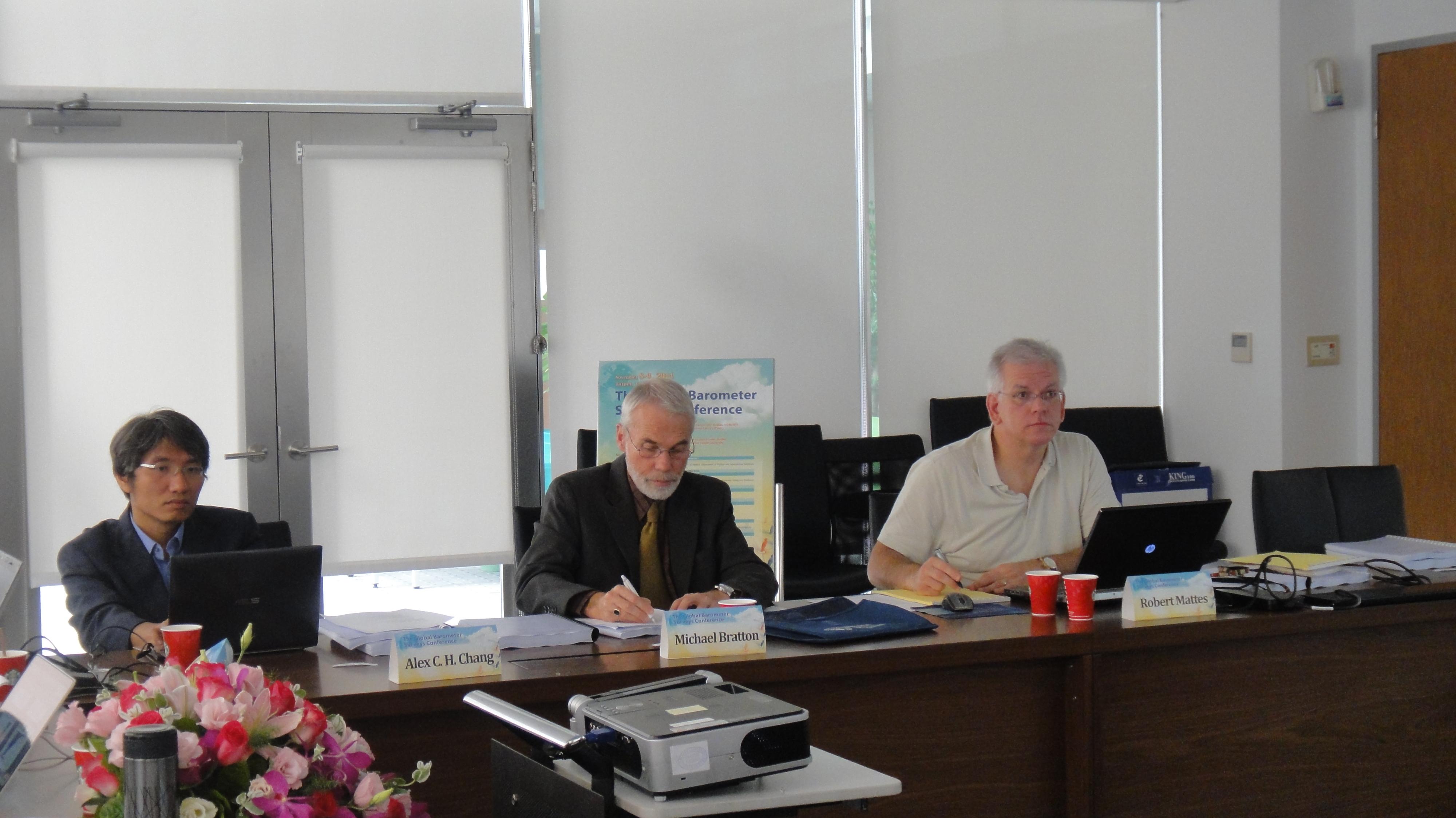
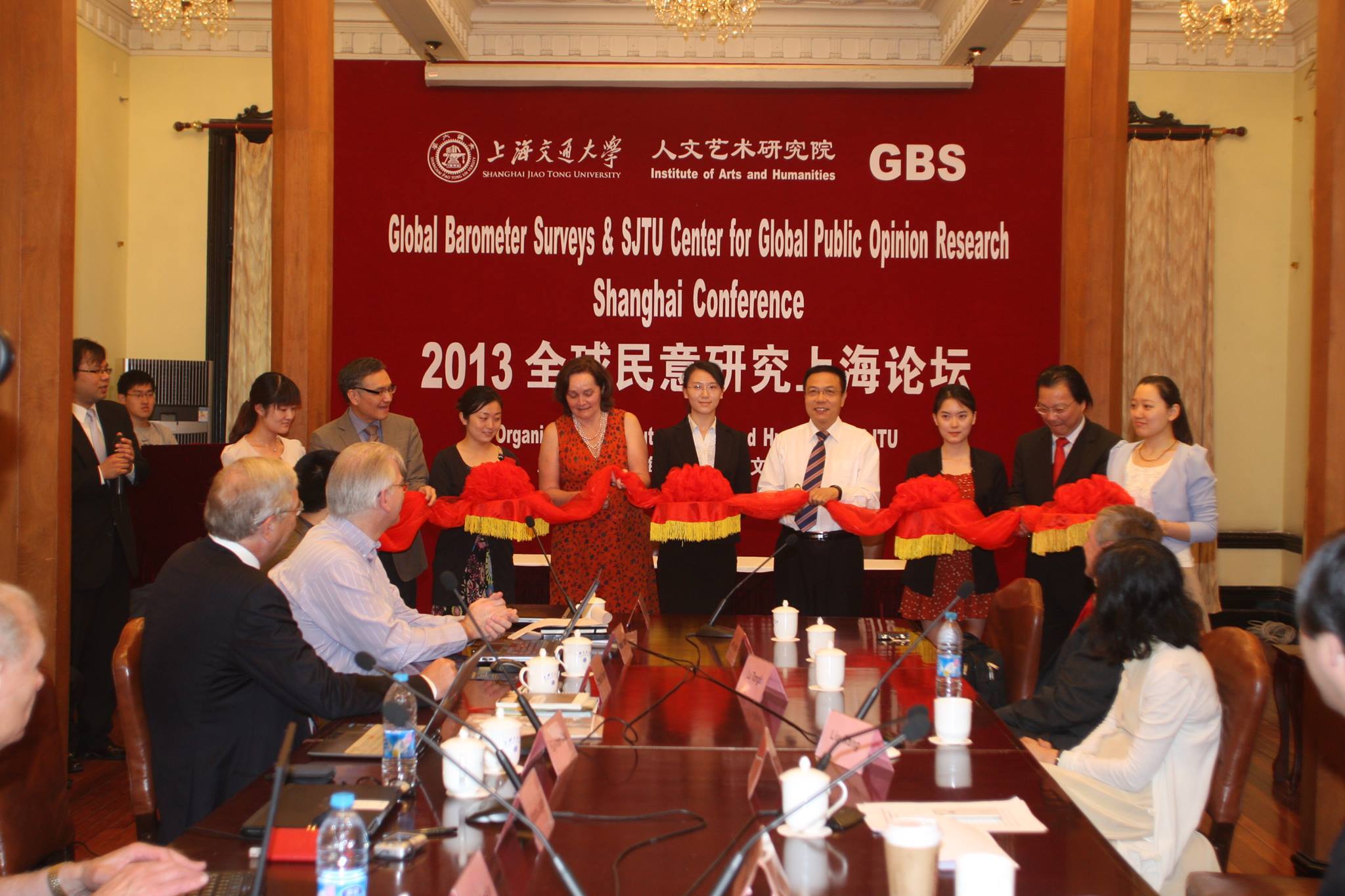
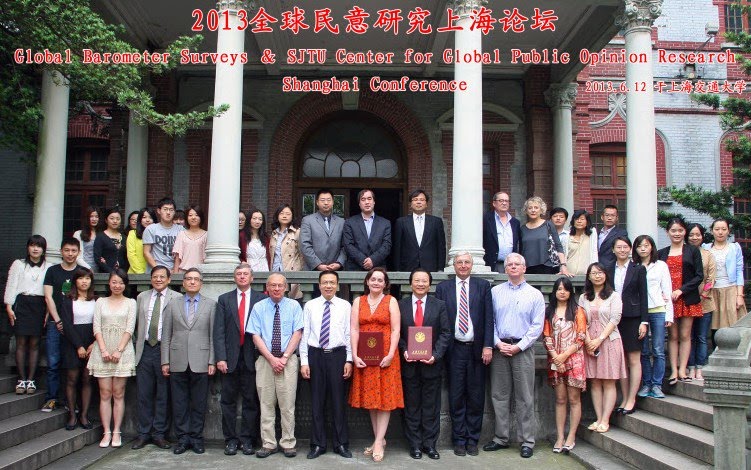
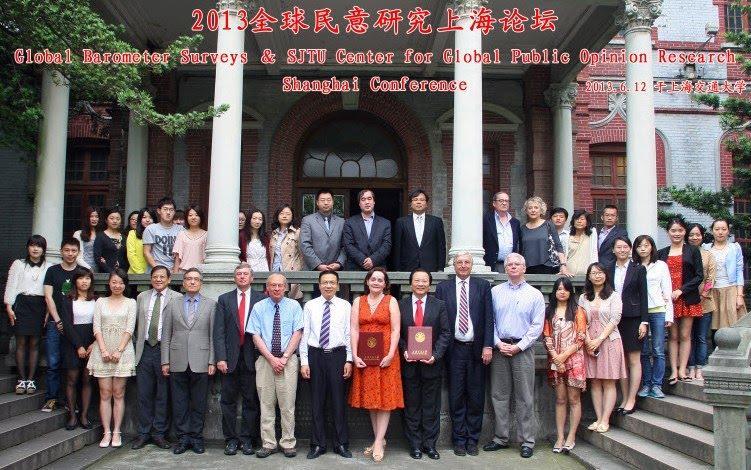
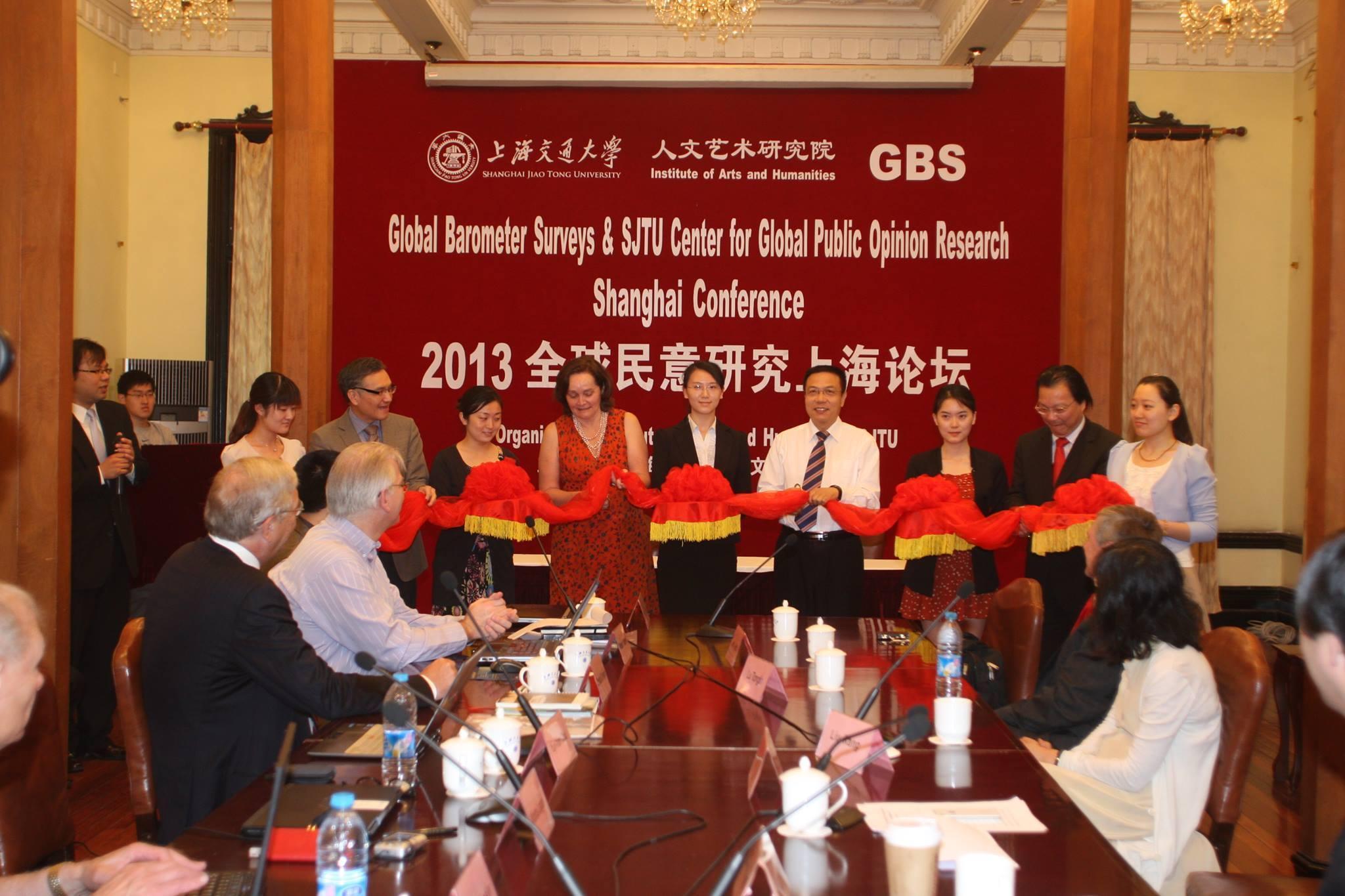
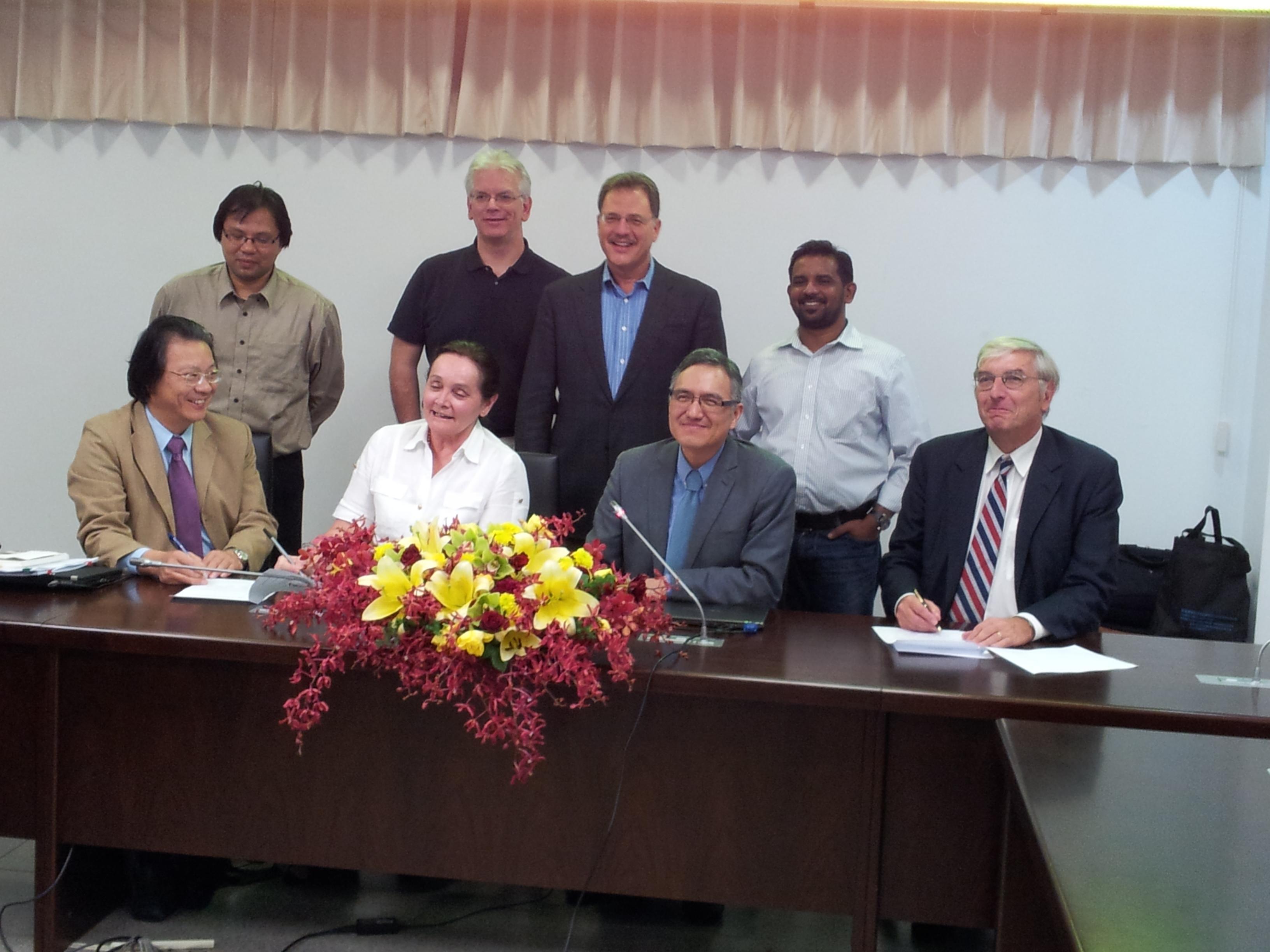
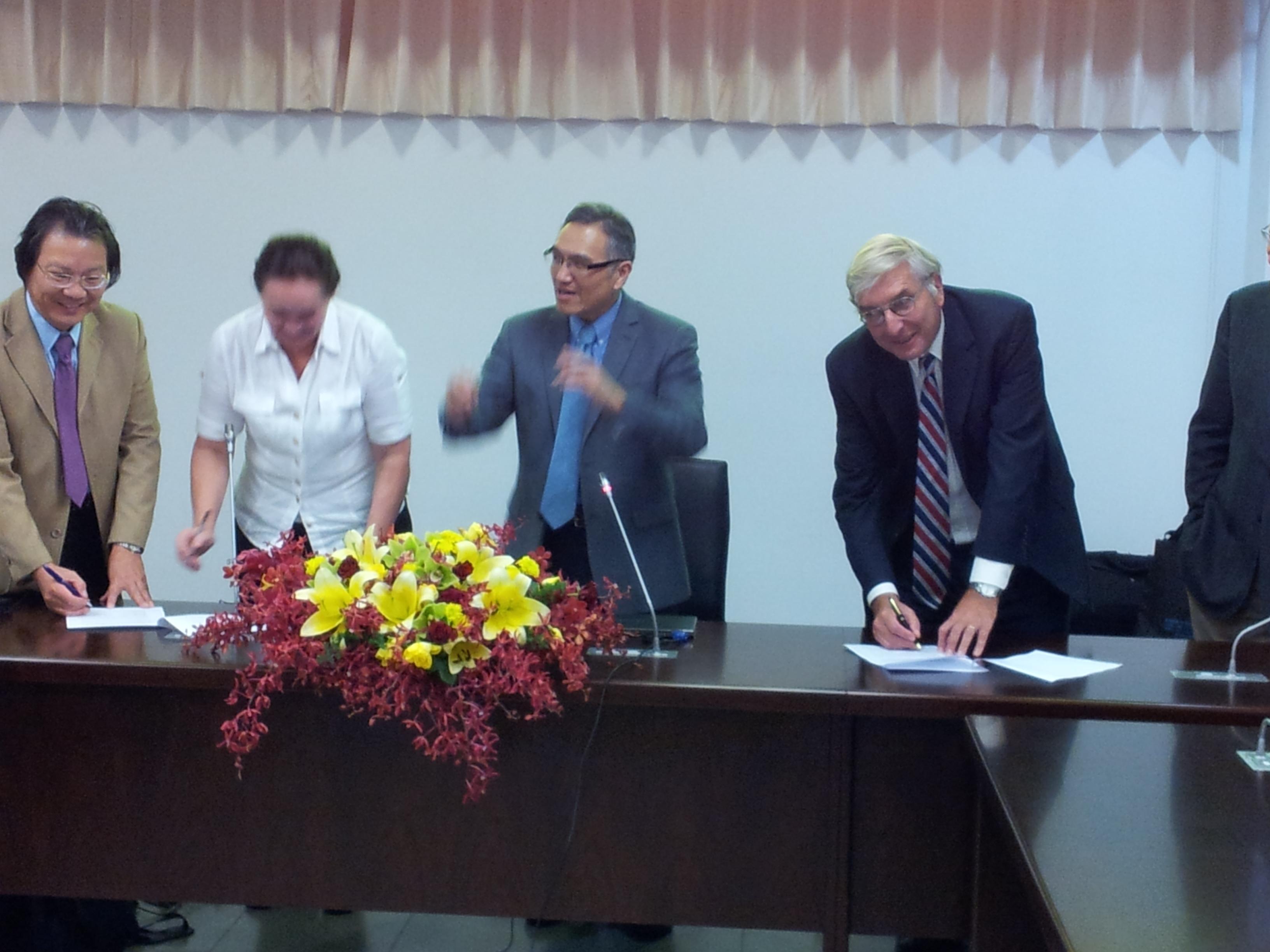
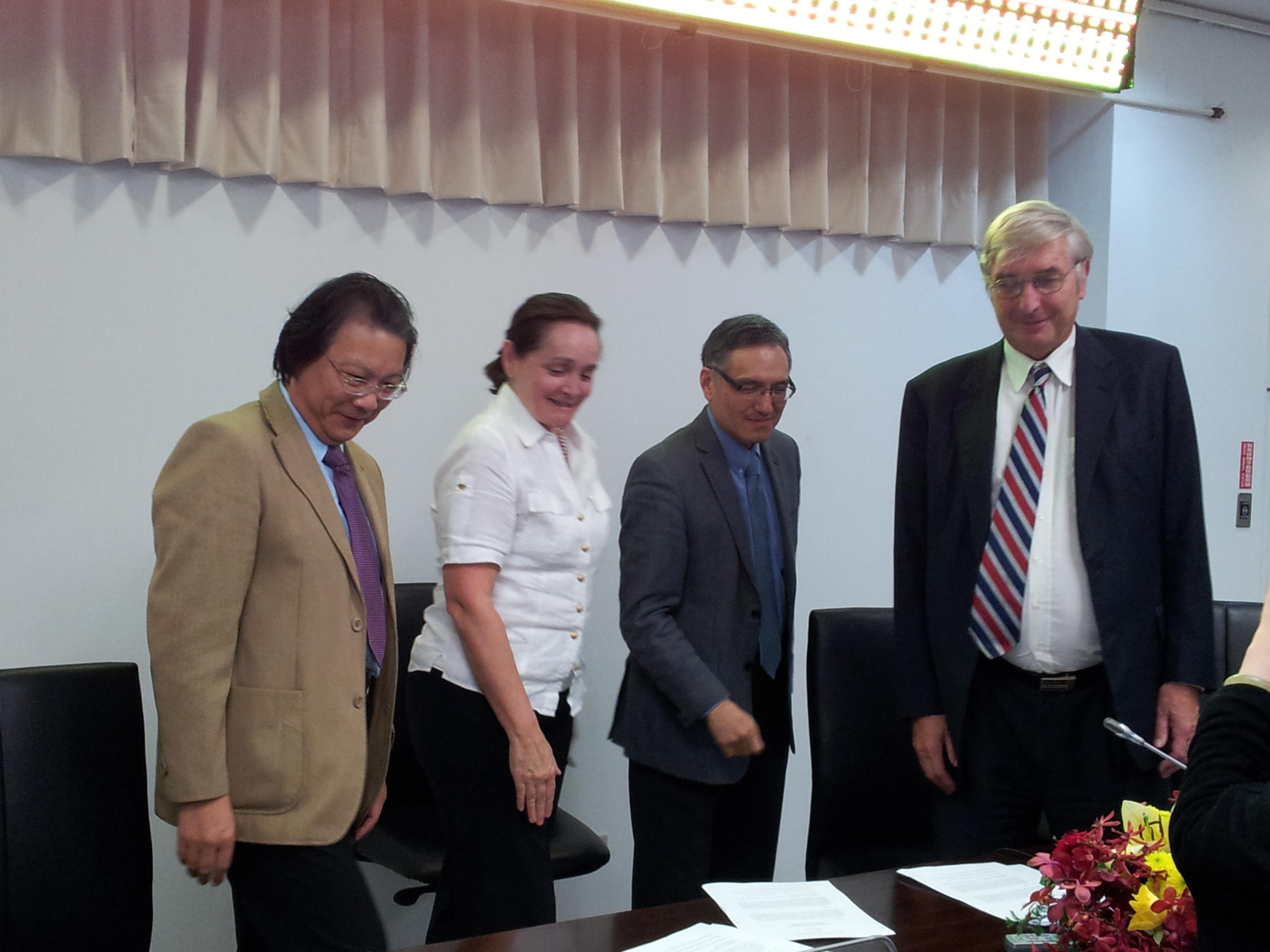
On 12 June 2013 Marta Lagos, the president of Global Barometer Surveys (GBS), and Liu Kang, the dean of the humanities faculty of Shanghai Jiao Tong University (SJTU), signed the document that consolidated the opening of the SJTU Center for Global Public Opinion Research (GPOR).
During the official ceremony, the president of GBS and the director of GPOR, Liu Kang, together with the principal of Jiao Tong University cut the ribbon for the inauguration of the Center.
This marks the opening of the first center for the study of public opinion in Mainland China.
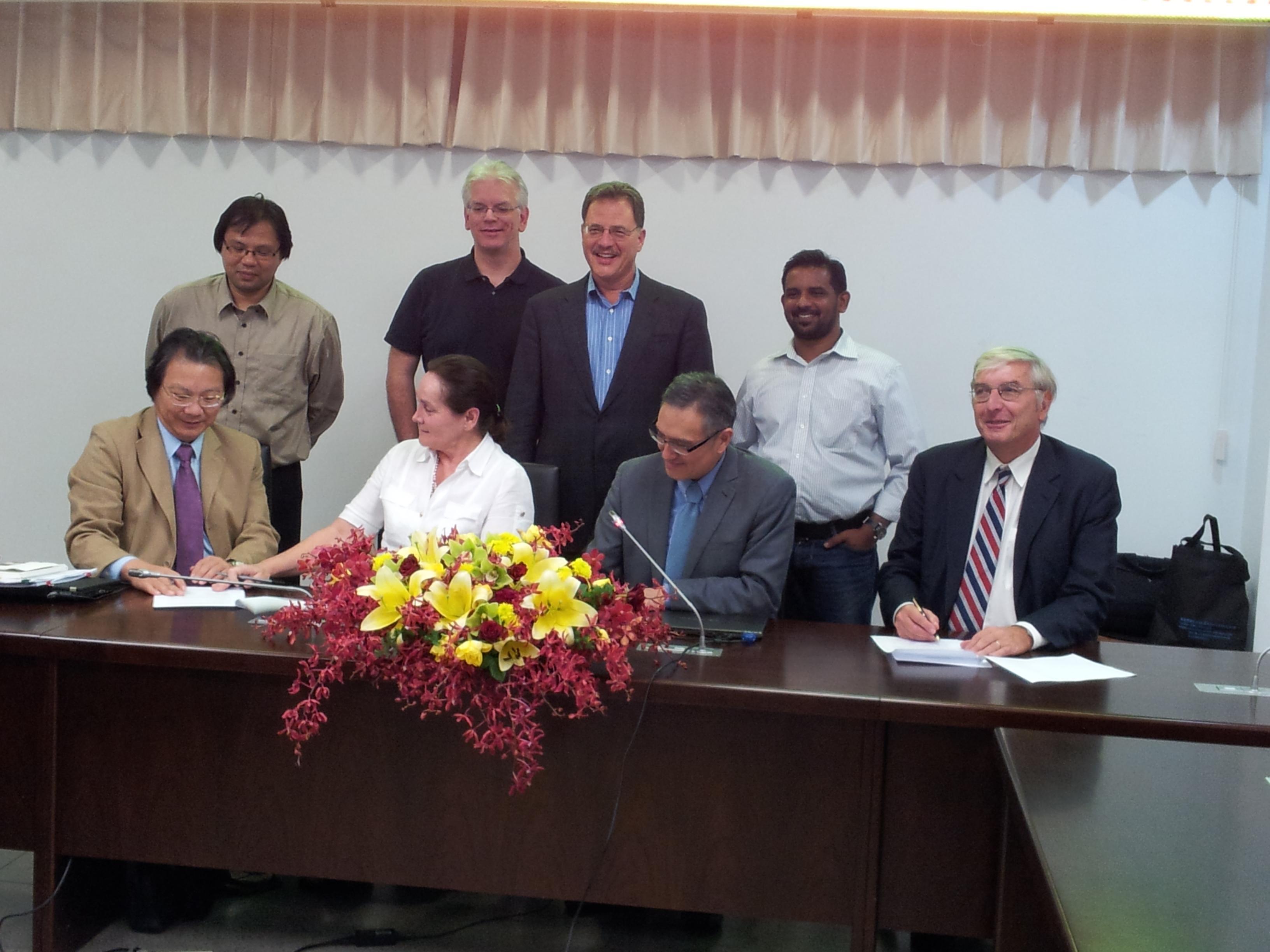
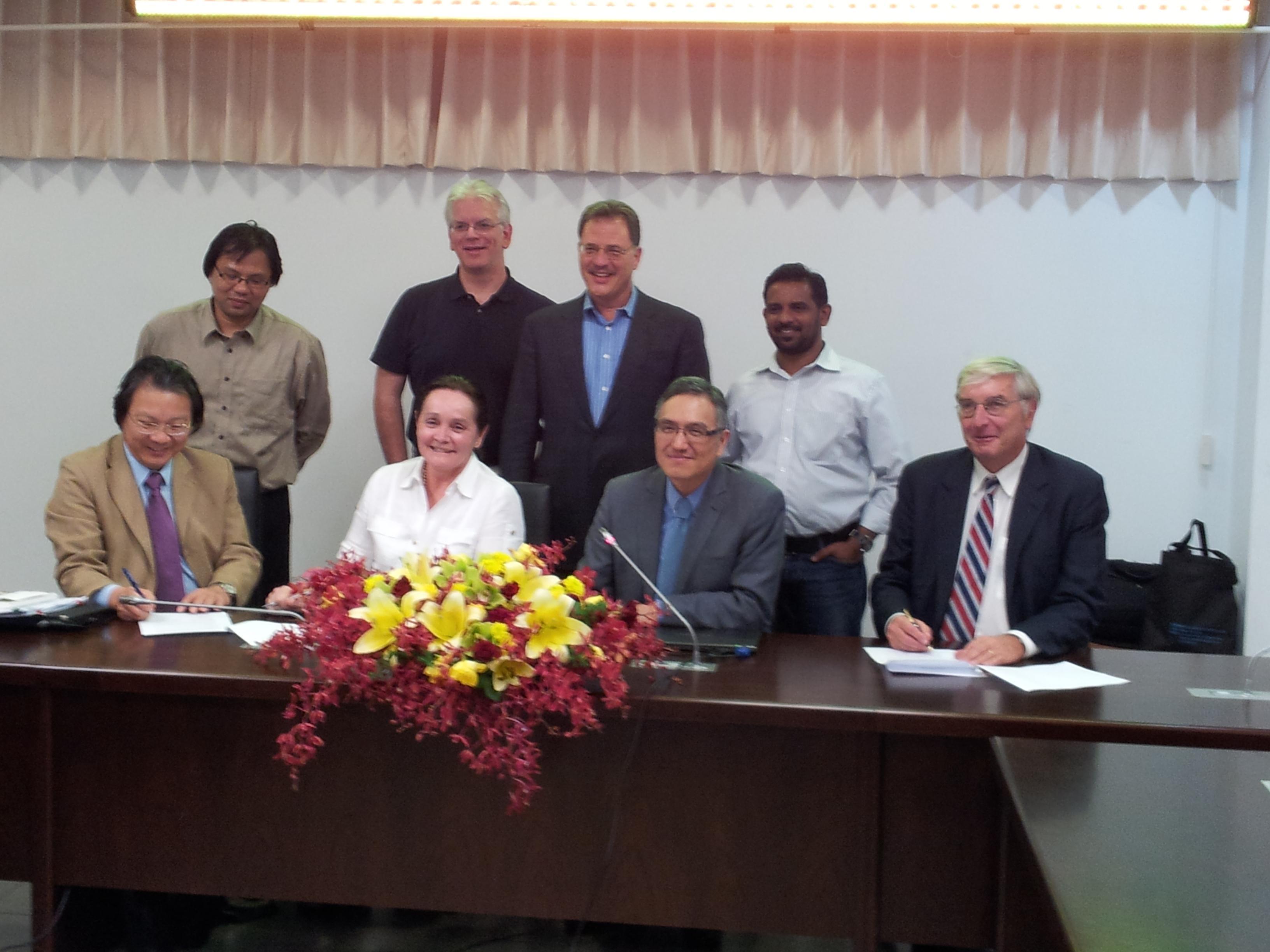
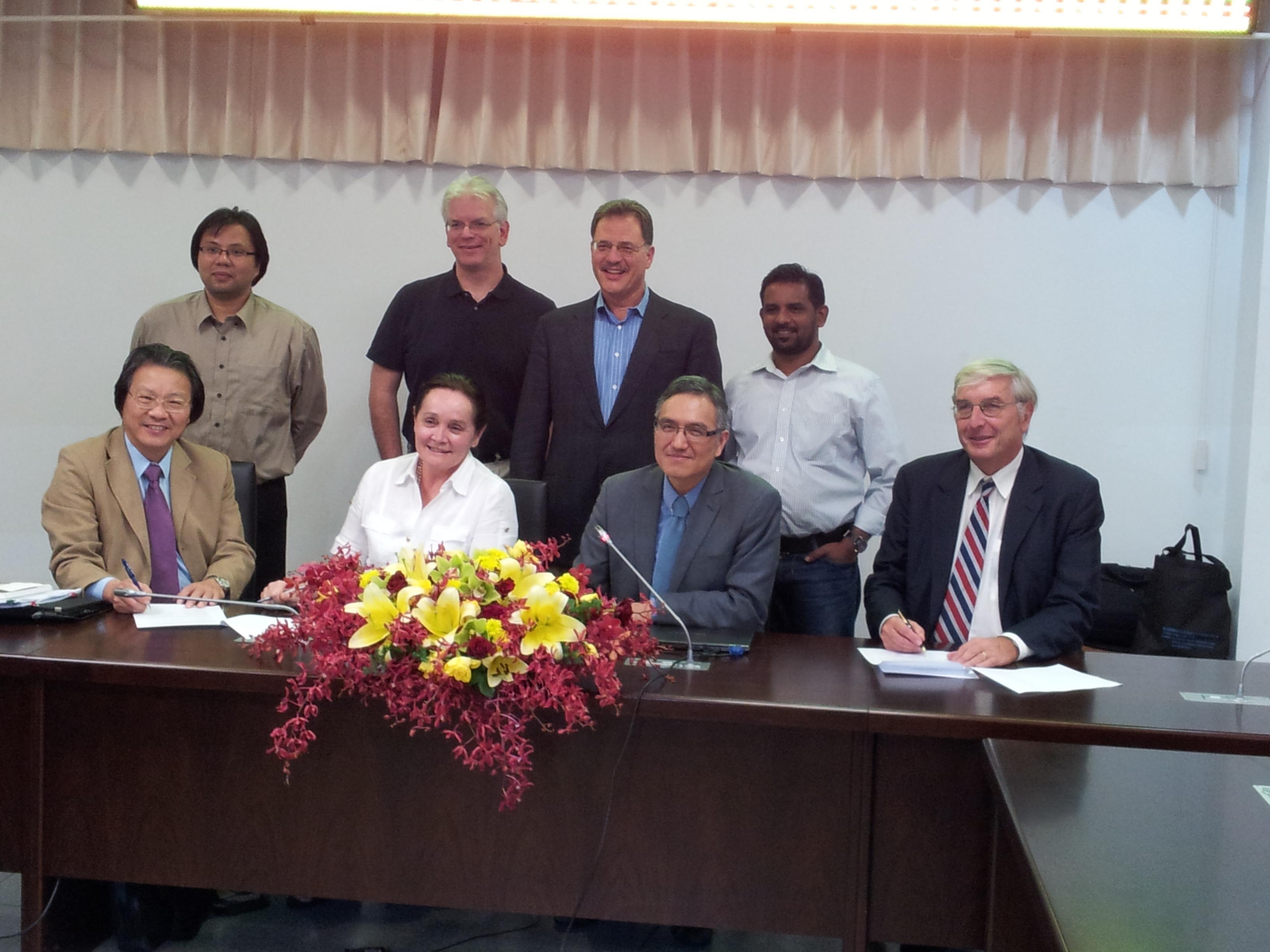
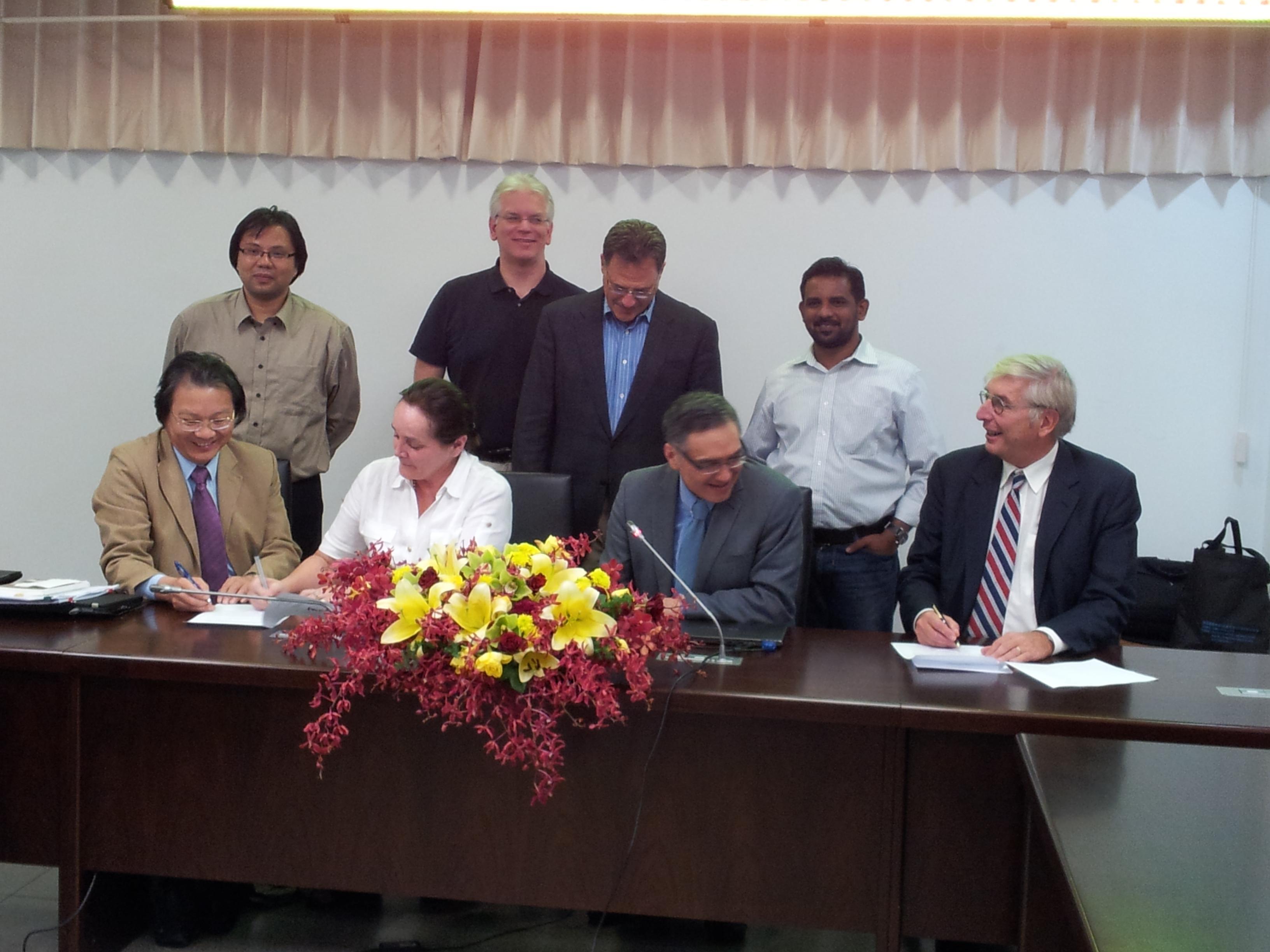
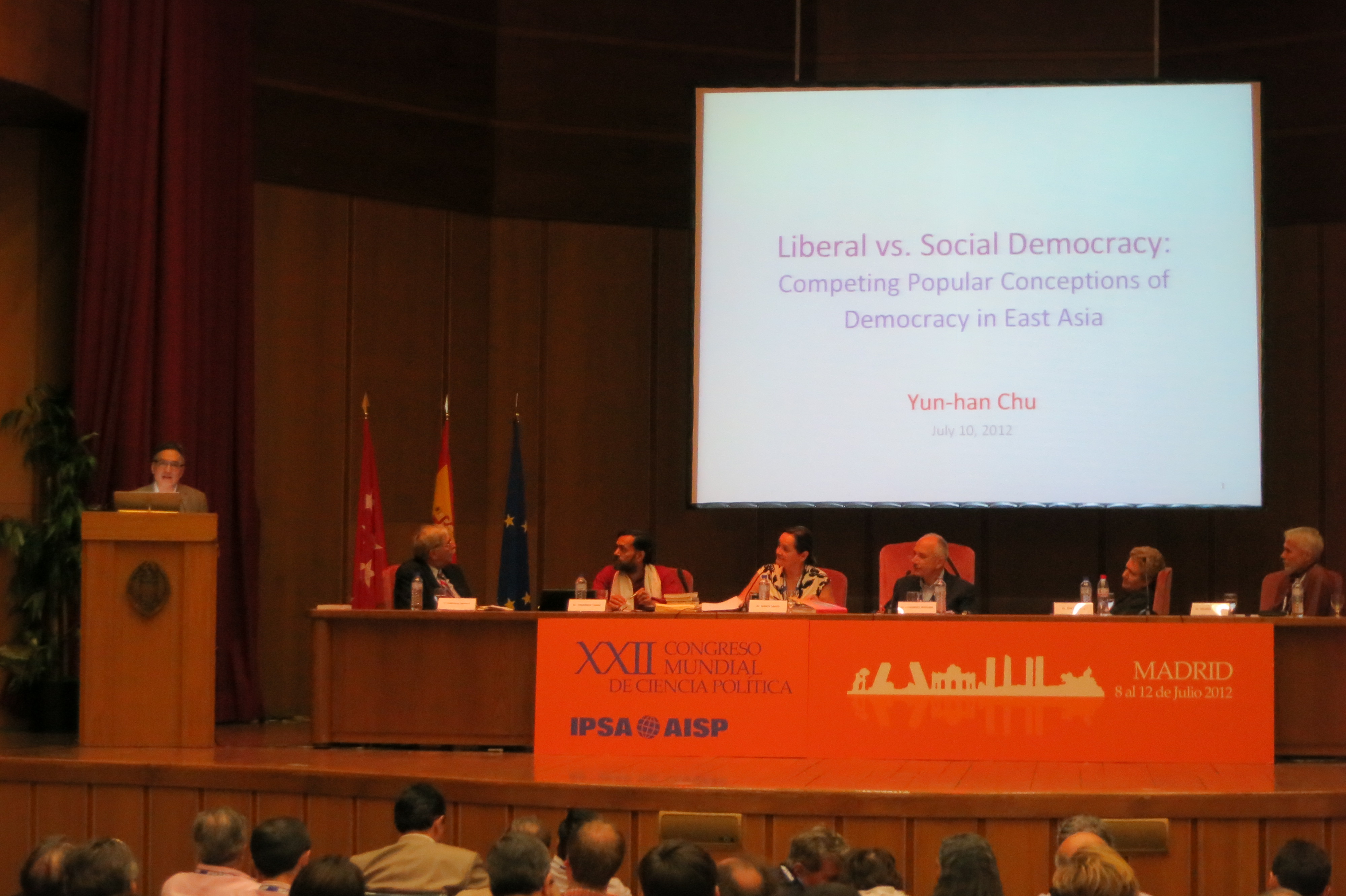
Professor Yun-han Chu was invited by Leonardo Morlino, the President of the International Political Science Association (IPSA), to give a talk, which titled "Liberal vs. Social Democracy: Competing Views on Democracy among East Asian Citizens" under the subject "Is There a Global-Democratic Citizen?" of the President Plenary at the 22nd World Congress of Political Science of IPSA in Madrid (Spain) on July 12, 2012. Professor Chu is the first Asian scholar to participate in the President Plenary of IPSA.
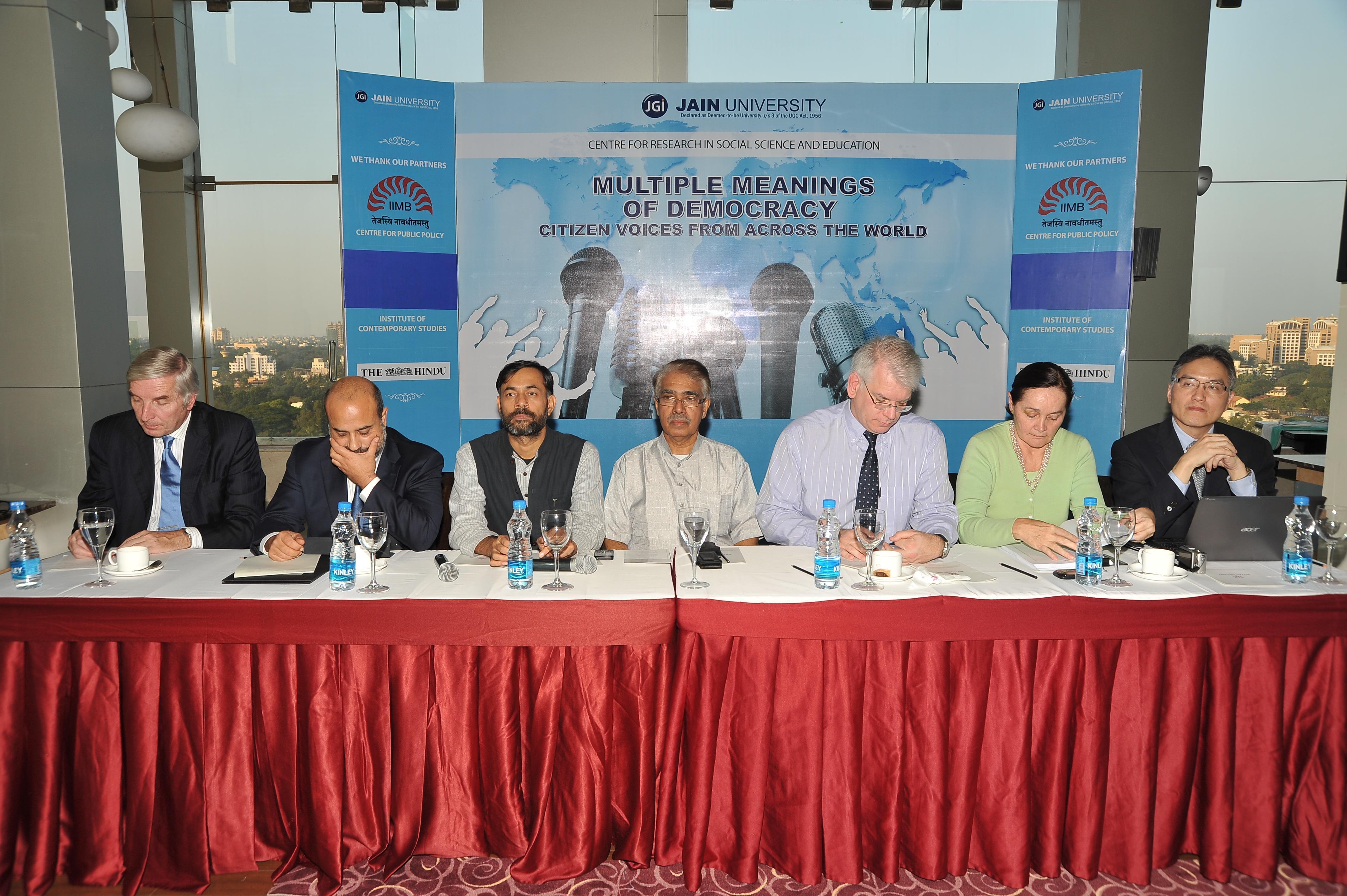
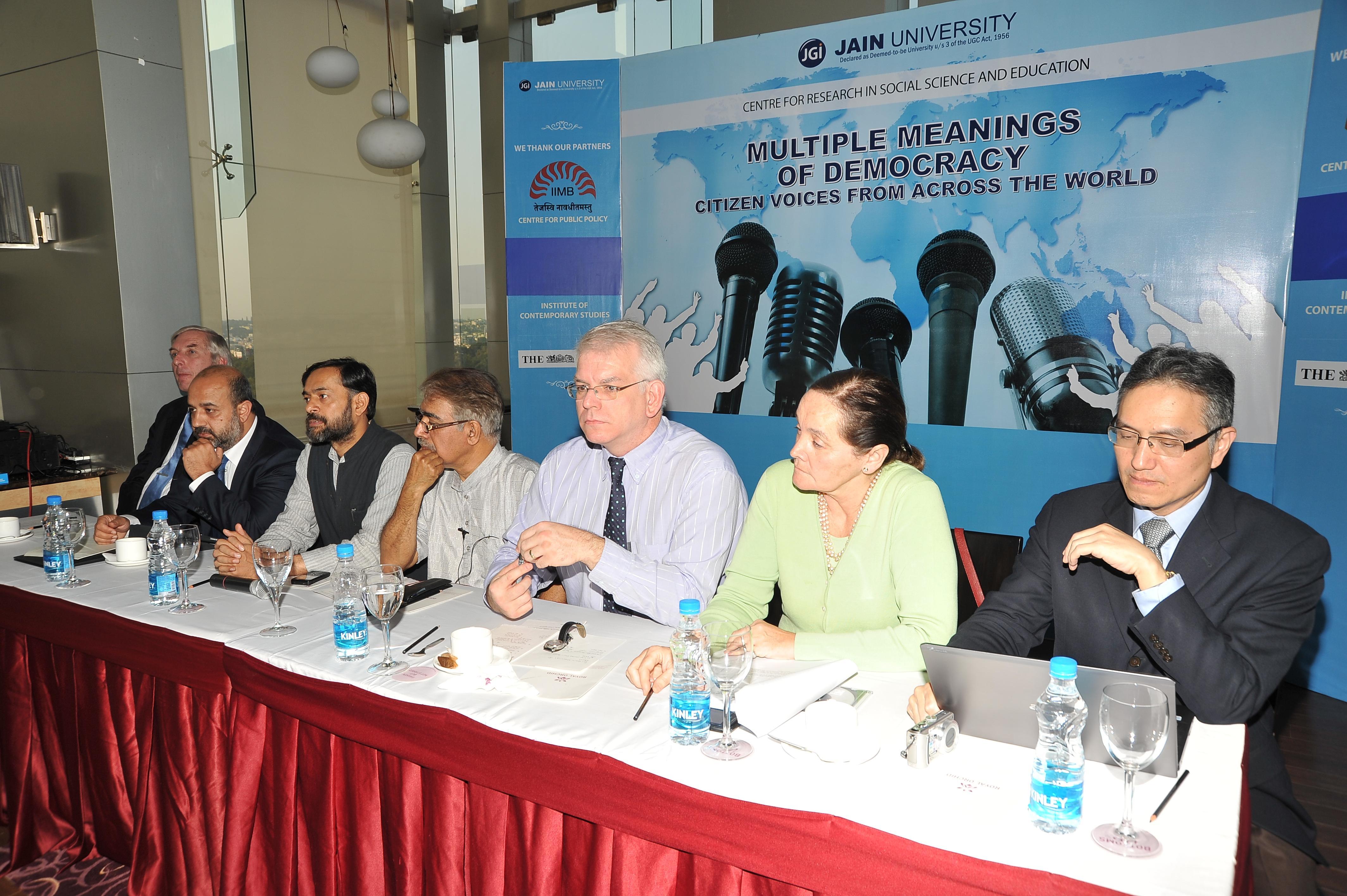
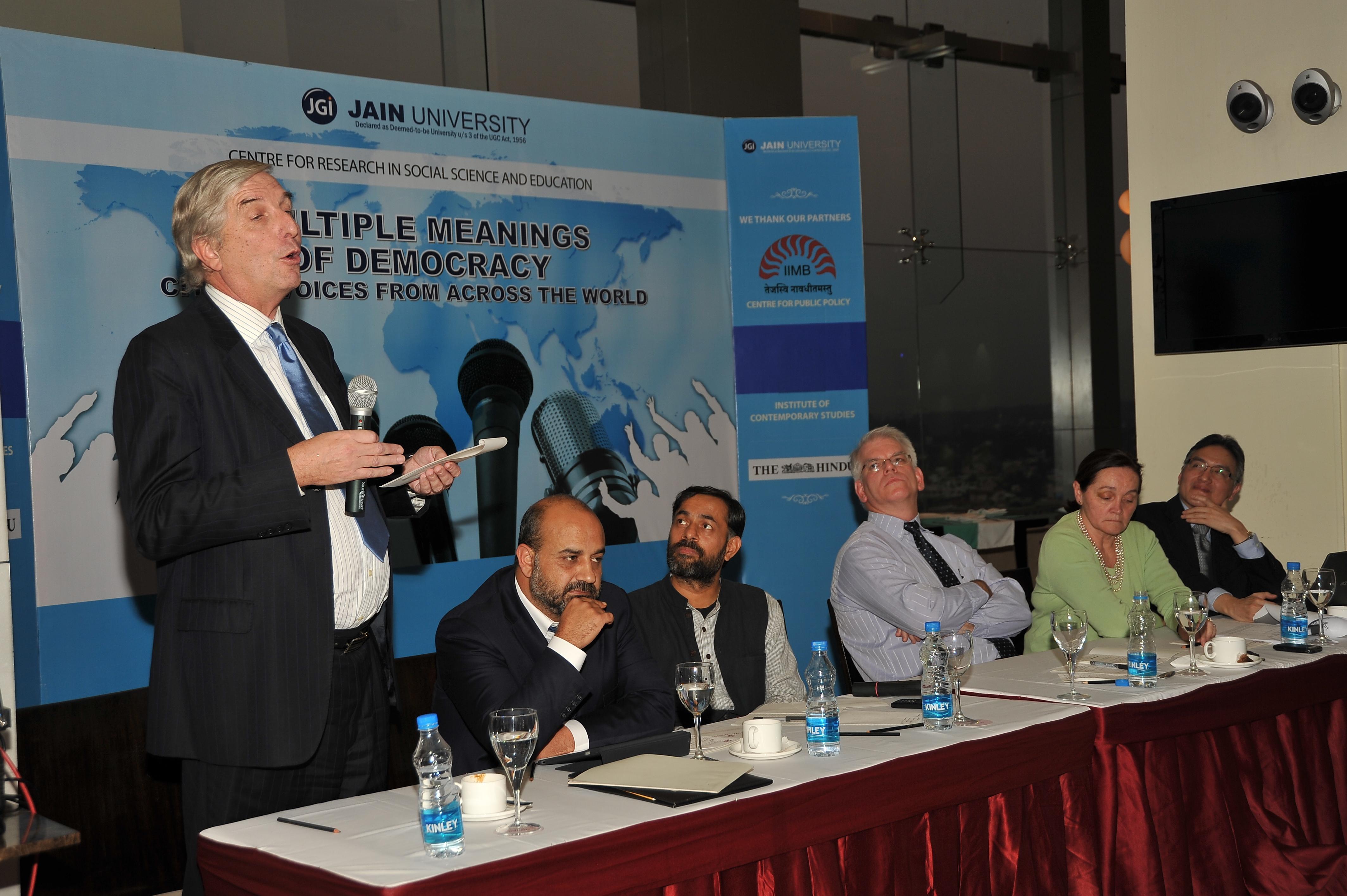
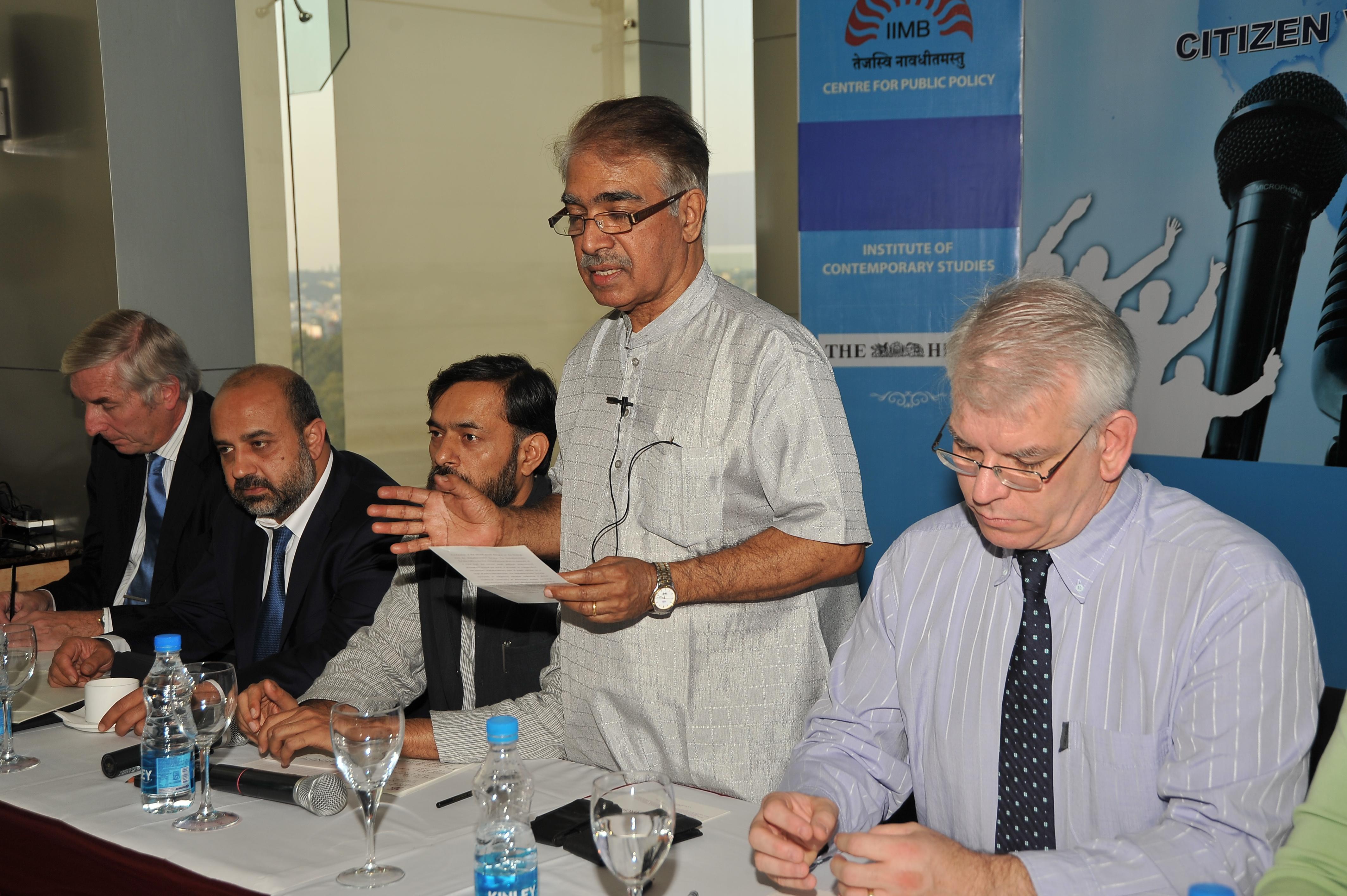
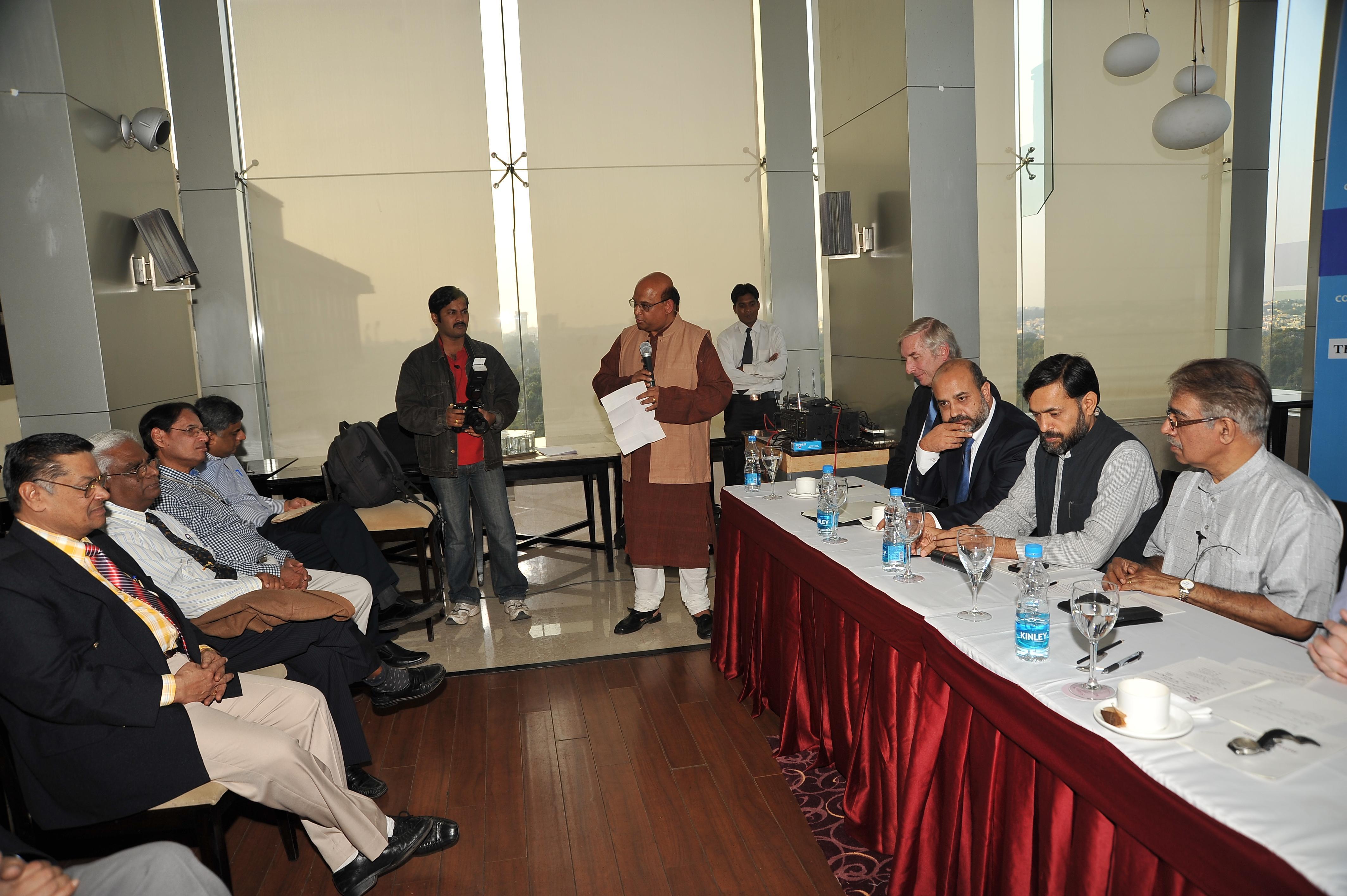
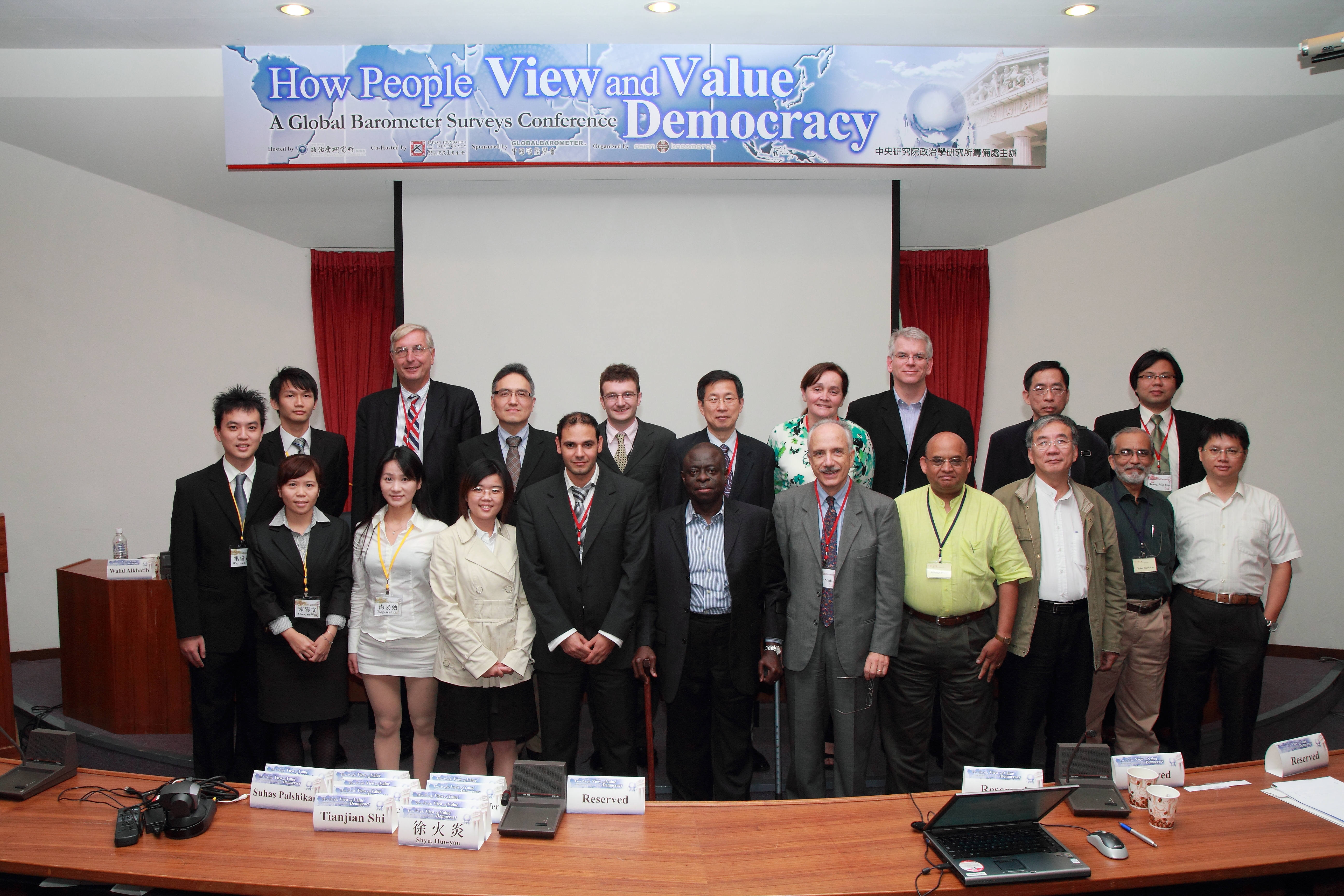
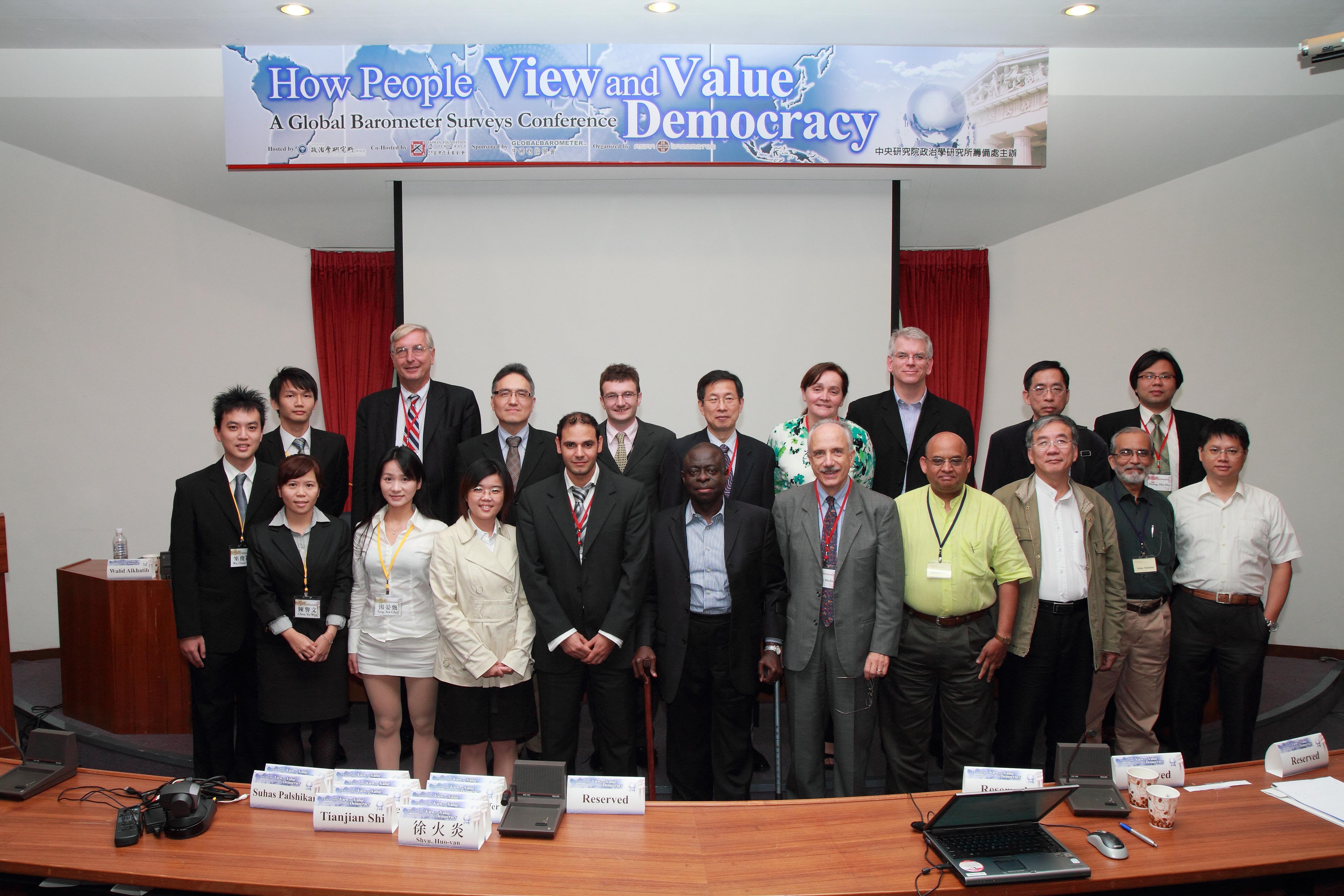
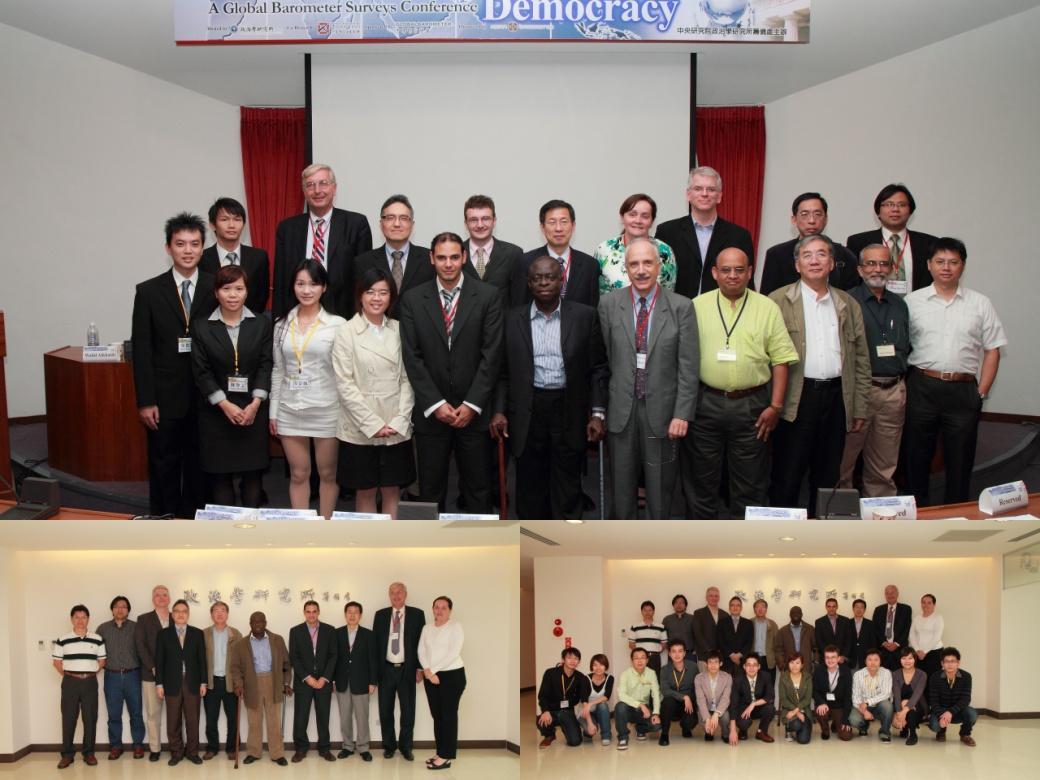
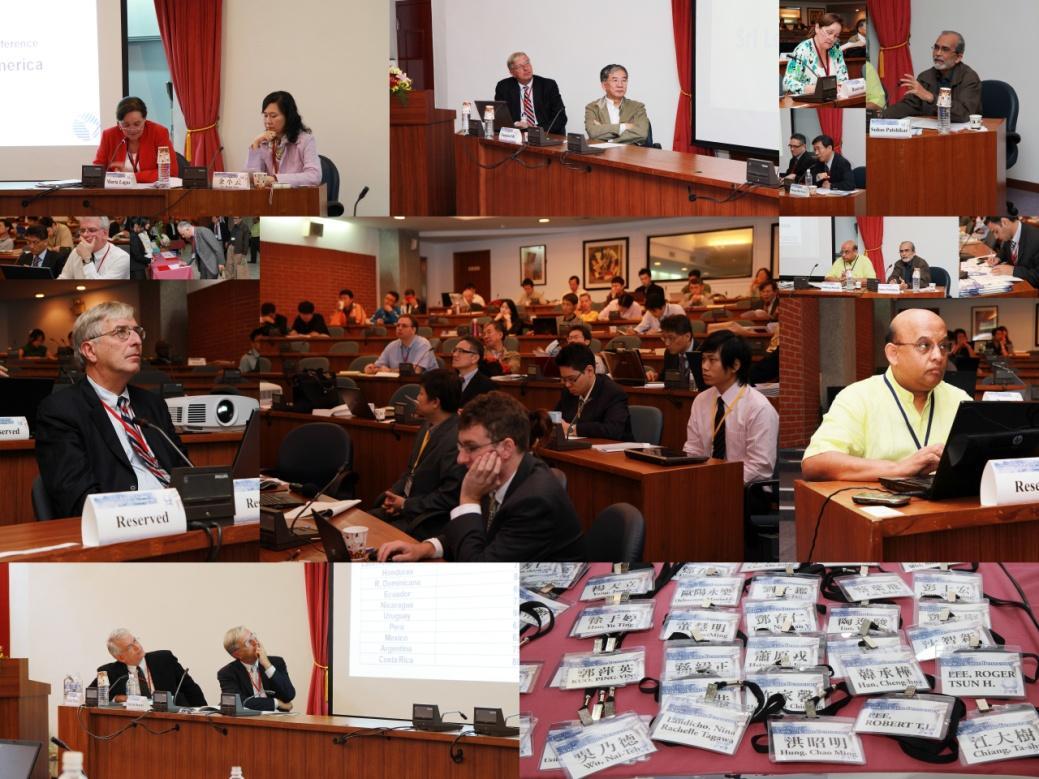
The Institute of Political Science at Academia Sinica (IPSAS) will hold an international conference titled ‘How People View and Value Democracy’ in the Institute of European and American Studies’ first floor conference hall on 15 and 16 October 2010. Against the background of global democratic development survey data from Latin America, Central and Eastern Europe, Africa, East Asia, South Asia, and the Arab world, the conference seeks to understand current perceptions and evaluations of democracy on a global scale and to conduct transnational (regional) comparisons. It will do so through, amongst others, examining the support for democracy, evaluations of democracy after implementation, efficacy of political operations, feelings of alienation or participation from politics, and political trust.
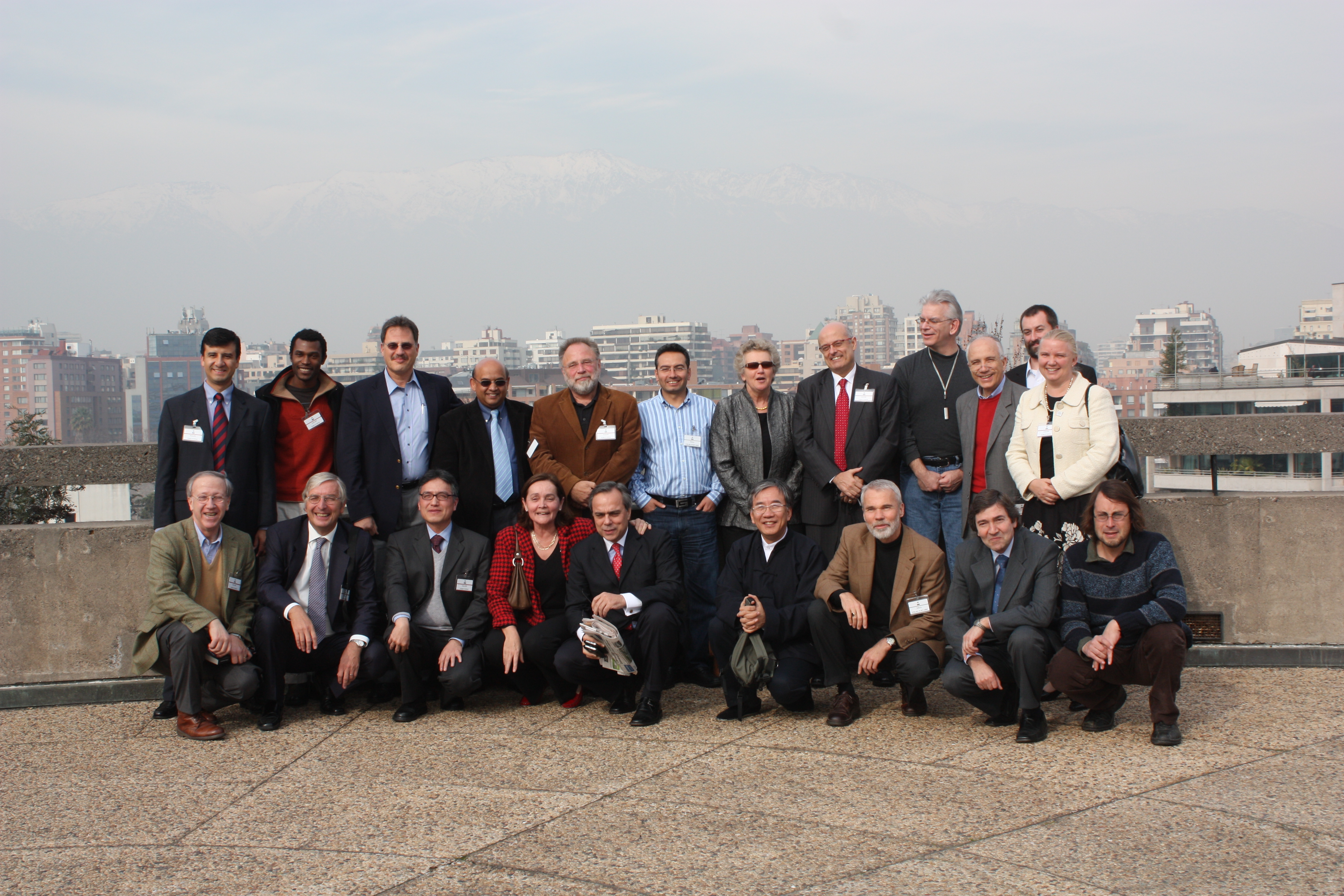
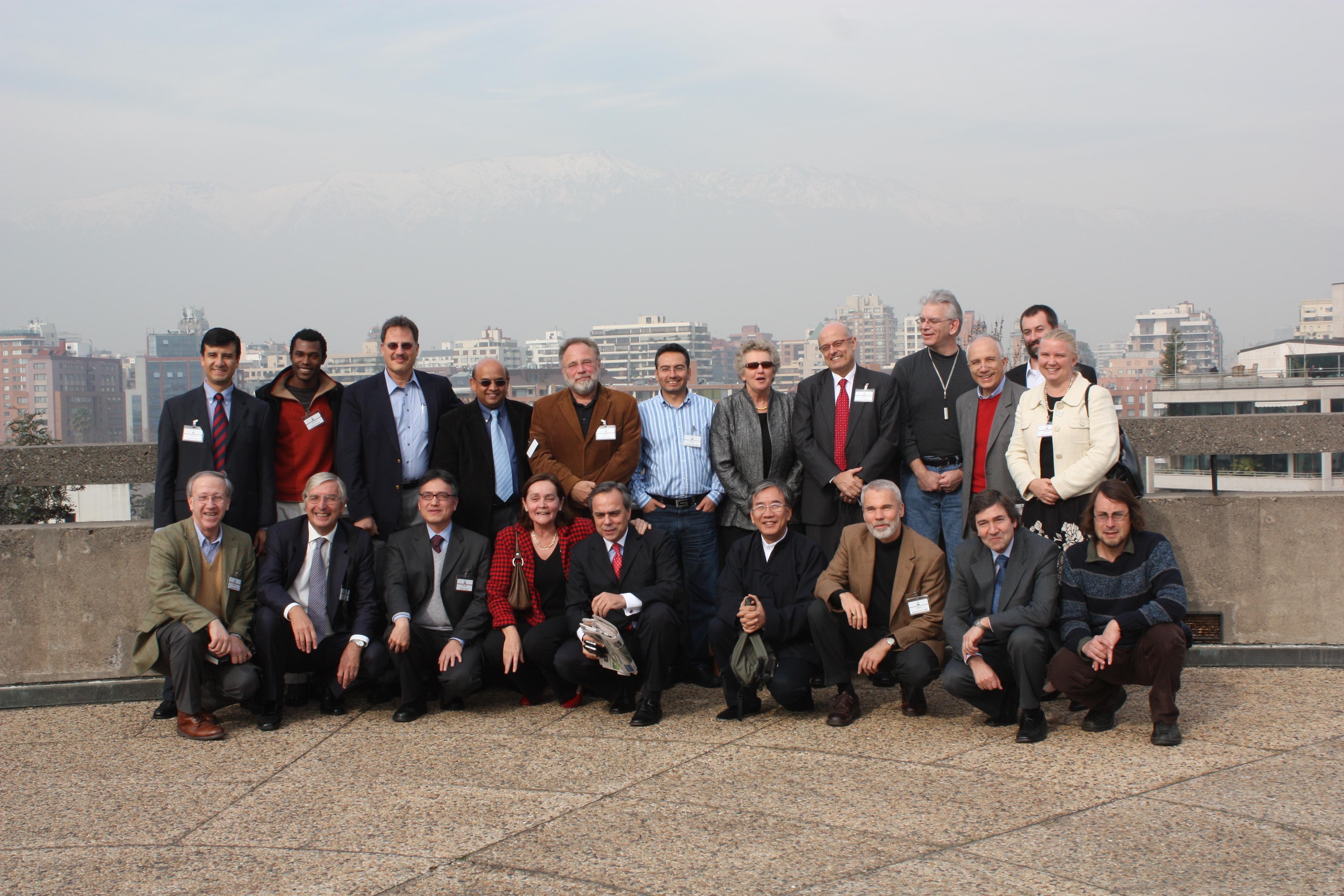
The GBS and IDEA International co-sponsored three panels at the 21st World Congress of International Political Science Association (IPSA), July 12-16, 2009, Santiago, Chile. In conjunction with the IPSA meeting, the GBS held an executive meeting co-sponsored by the United Nations Economic Commission for Latin America and the Caribbean on July 17-18.
From 27 Augustus until 1 September 2008 GBS held a Network Planning Meeting to discuss cooperation and goals of the next wave. This meeting was combined with the APSA Annual Meeting in Boston, where scholars from each region presented their findings. The participants included Prof. Yun-han Chu of Asia Barometer, Prof. Robert Mattes of Afro Barometer, Prof. Mark Tessler of Arab Barometer, and Prof. Suhas Palshikar and Sandeep Shastri of South Asia Barometer.